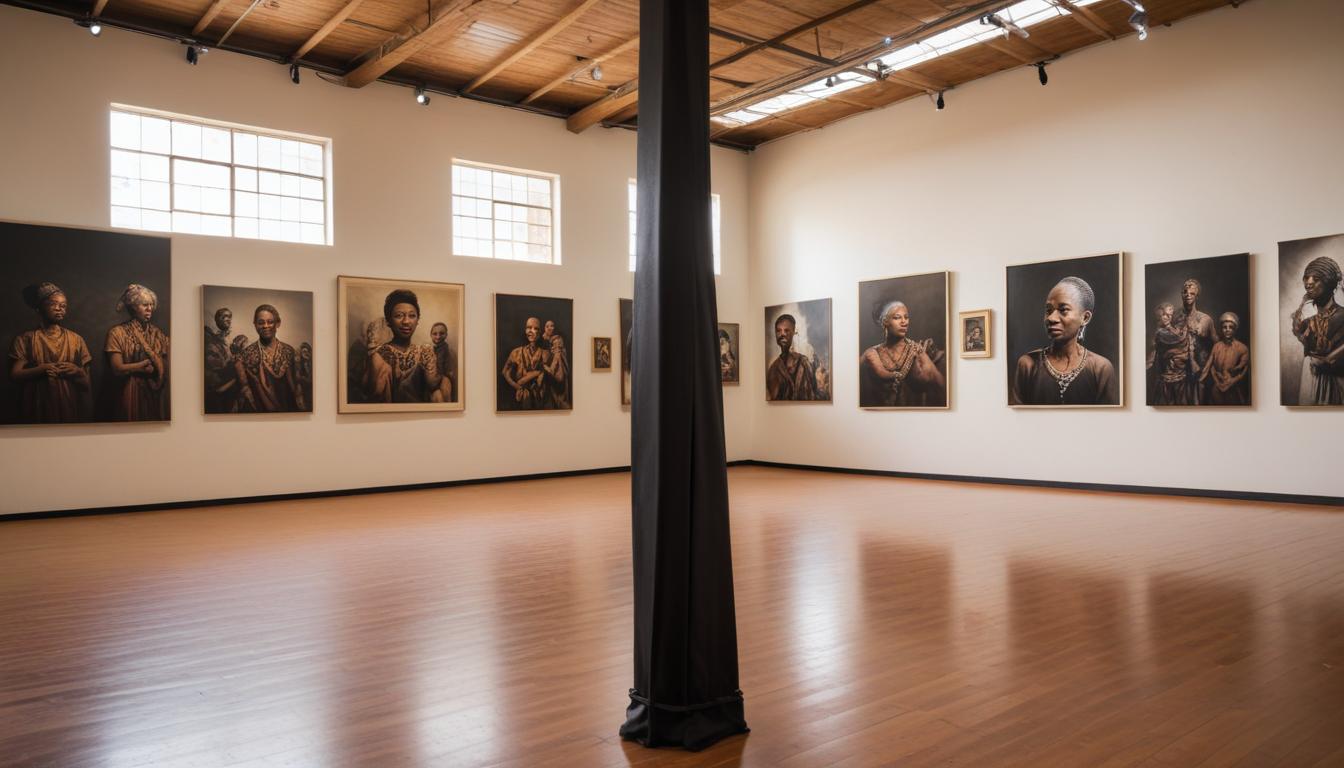
Walk down Semakaleng Street in Maboneng on a Friday evening and you'll encounter a thriving ecosystem that didn't exist a decade ago. The converted warehouses, vibrant murals, and galleries spilling onto pavements represent the cumulative vision of dozens of cultural entrepreneurs who saw potential where others saw decay.
The transformation began in earnest around 2010, when pioneering developers and artists started acquiring vacant industrial properties in the precinct. What emerged wasn't a top-down urban renewal project, but an organic clustering of independent gallery owners, artist collectives, and cultural spaces that collectively reimagined inner-city Johannesburg. Today, Maboneng hosts over forty galleries and creative businesses, with spaces ranging from established venues like Everard Read and Thami Mnyele Fine Art to grassroots artist-run initiatives.
Similar stories unfolded in Braamfontein and the Arts on Main precinct, where entrepreneurs invested personal capital and sweat equity into spaces that now anchor the city's cultural identity. The Goodman Gallery's expansion, the establishment of the Wits School of Arts, and the emergence of independent spaces created a virtuous cycle—attracting more artists, more visitors, and more investment.
What's remarkable is how many of these spaces operate on wafer-thin margins. Industry data suggests average gallery rental costs in Maboneng range from R15,000 to R40,000 monthly, while artist fees typically hover between 30-50% of sales. Yet gallery owners and curators persist, driven by conviction rather than profit projections.
The scene's resilience was tested severely during the 2020 pandemic, when lockdowns forced closures and cancelled art fairs decimated revenue. Many spaces survived through digital initiatives, studio visits, and community support—networks that reflected the collaborative ethos these visionaries had cultivated.
Today's landscape includes established institutions, mid-career galleries, and emerging spaces alongside street art movements, artist collectives in converted factories, and pop-up venues in unexpected locations. This diversity wasn't accidental. It resulted from dozens of individuals making calculated risks, learning from failures, and refusing to abandon their vision despite pervasive challenges around safety, infrastructure, and municipal support.
The story of Johannesburg's arts scene is ultimately one of agency—of people who decided their city's cultural future mattered enough to invest in it themselves. That foundation, built by curators, artists, and entrepreneurs working largely without fanfare or significant grant funding, explains why our galleries punch above their weight on the continental stage and why international artists increasingly view Johannesburg not as a destination to bypass, but as essential to understanding contemporary African art.
This article was compiled by AI from the sources linked above and screened before publishing. See our editorial standards.