Explore Johannesburg's 5 Must-See Heritage Sites
From Soweto's resistance history to Maboneng's urban renewal, discover the cultural landmarks that shaped Africa's most dynamic city.
From Soweto's resistance history to Maboneng's urban renewal, discover the cultural landmarks that shaped Africa's most dynamic city.
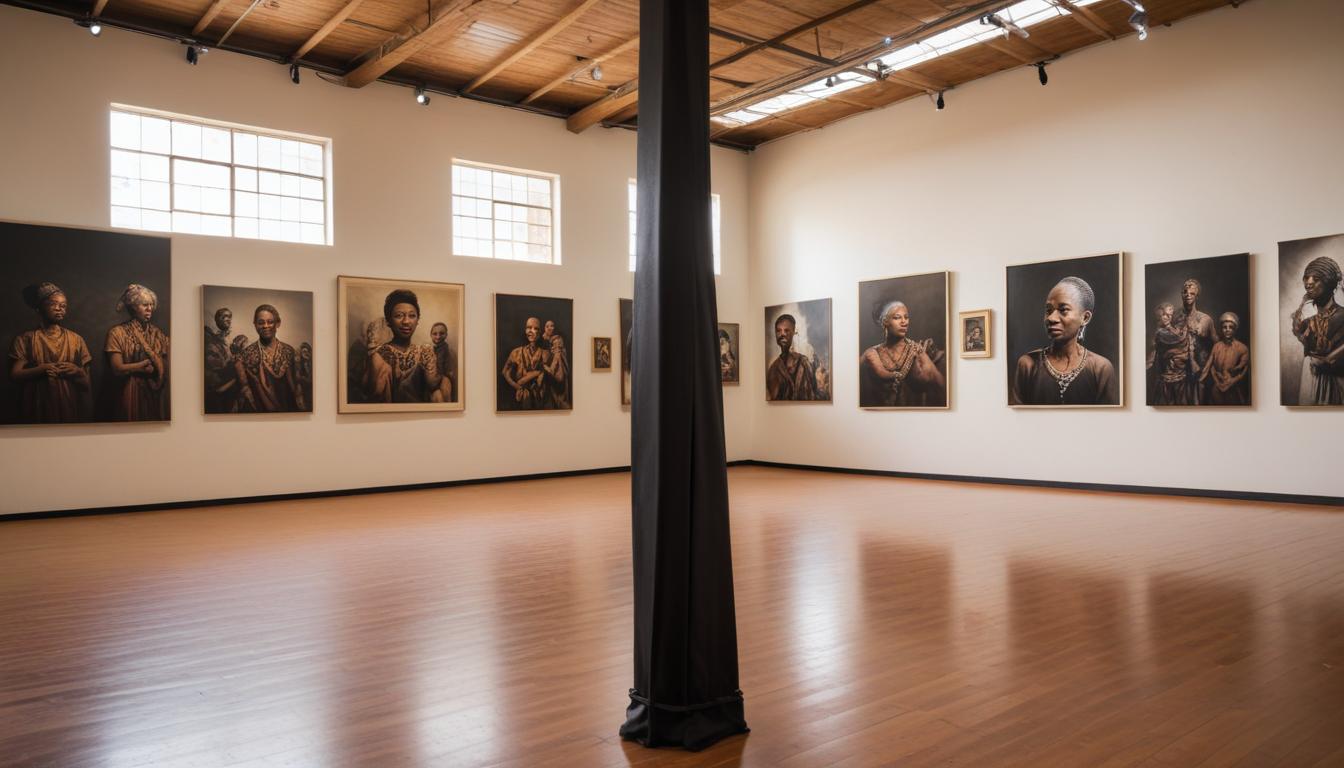
Johannesburg's identity is written in layers—gold rush prosperity, apartheid brutality, and the defiant creativity of communities who refused to be silenced. For visitors seeking to understand this city's complex soul, knowing where to look transforms a holiday into a genuine cultural immersion.
Start in Soweto, the sprawling township where the 1976 uprising was sparked and where Nelson Mandela lived on Vilakazi Street. The Mandela House museum (entry around R80 for international visitors) offers intimate context, but locals will tell you the real story emerges when you walk the streets themselves, visit the Hector Pieterson Memorial, and grab lunch at a shebeena family-run tavern. This isn't museum tourism—it's witnessing how communities still gather and remember.
The Apartheid Museum on Stiemens Street in Northgate presents the systematic architecture of racial oppression through 22 exhibition halls. At R150 for adults, it's the country's most visited museum for good reason, though expect three to four hours minimum. The emotional weight is considerable; many visitors emerge changed.
For contemporary culture, Maboneng Precinct in the inner city represents Johannesburg's reinvention. This formerly abandoned industrial zone now pulses with galleries, restaurants, and street art. The Maboneng Nite Market (weekends) showcases local designers, musicians, and food vendors—this is where the city's creative energy concentrates. Entry is free; budget R200-400 for food and drinks.
Don't miss the Liliesleaf Farm in Rivonia, where the underground resistance planned the Spear of the Nation campaign. The homestead itself—a gracious colonial house—becomes a profound space when you understand its clandestine history. Tours cost R120 and run regularly.
The Market Theatre on Newtown's Wolhuter Street remains the beating heart of theatrical resistance. Built in a converted fresh produce market, it's symbolically and physically where Johannesburg's cultural pulse thrums. Check their current lineup; performances range from classical to experimental work by emerging South African artists.
Constitutional Hill, home to the Constitutional Court, occupies the grounds of the Old Fort prison complex where thousands were detained. The museum here (R50 entry) contextualises the building's transformation from oppression to justice—architecture as narrative.
Reality check: Johannesburg requires navigation savvy. Use registered taxis, avoid walking alone after dark in unfamiliar areas, and book accommodation in established precincts like Sandton, Rosebank, or inner-city developments. A three-day cultural immersion costs R1,500-2,000 including museums, food, and transport.
The city rewards curious visitors who move beyond surface tourism. Johannesburg's heritage isn't preserved in amber—it's lived, contested, and continuously reimagined by eight million people building their future on contested ground.
This article was compiled by AI from the sources linked above and screened before publishing. See our editorial standards.
How does this story make you feel?
Spread the word
About this article
Published by The Daily Johannesburg
Daily brief
Free, in your inbox before 7am. Weekdays.
More in culture


