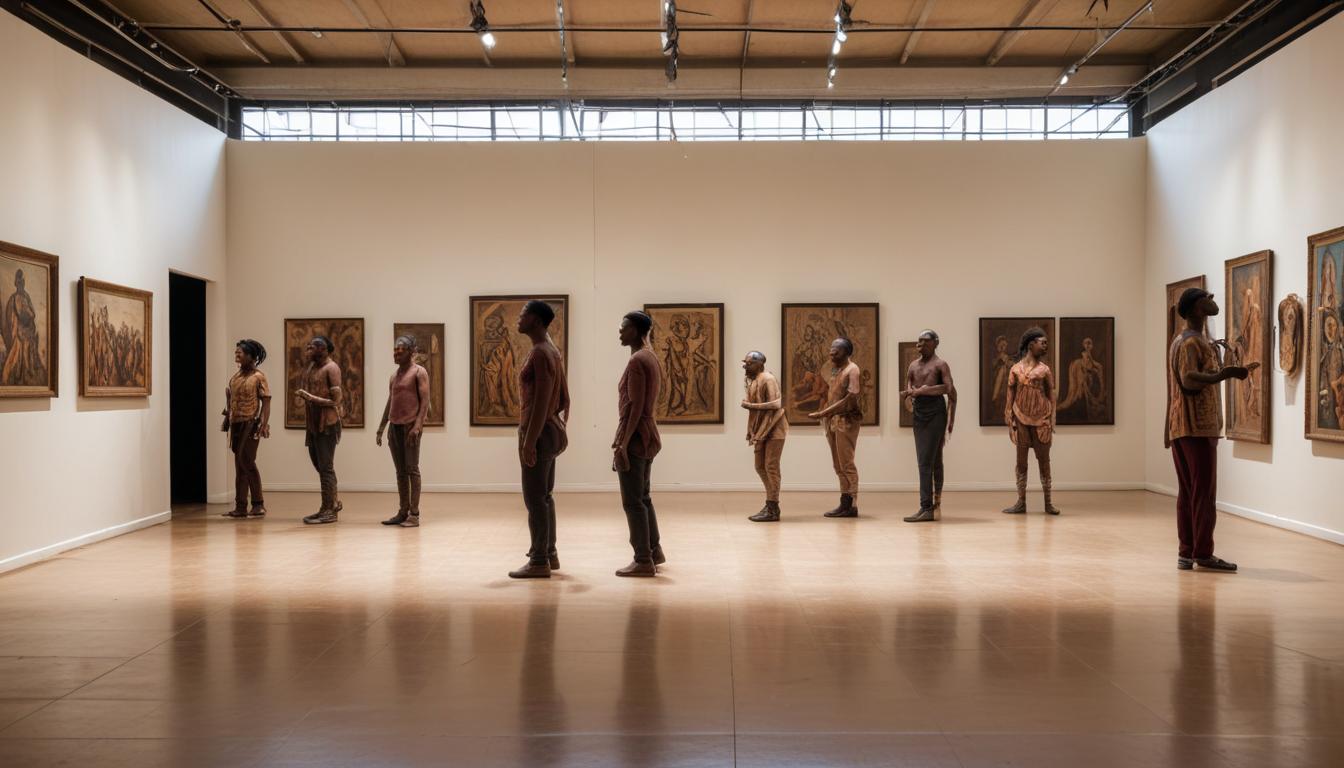
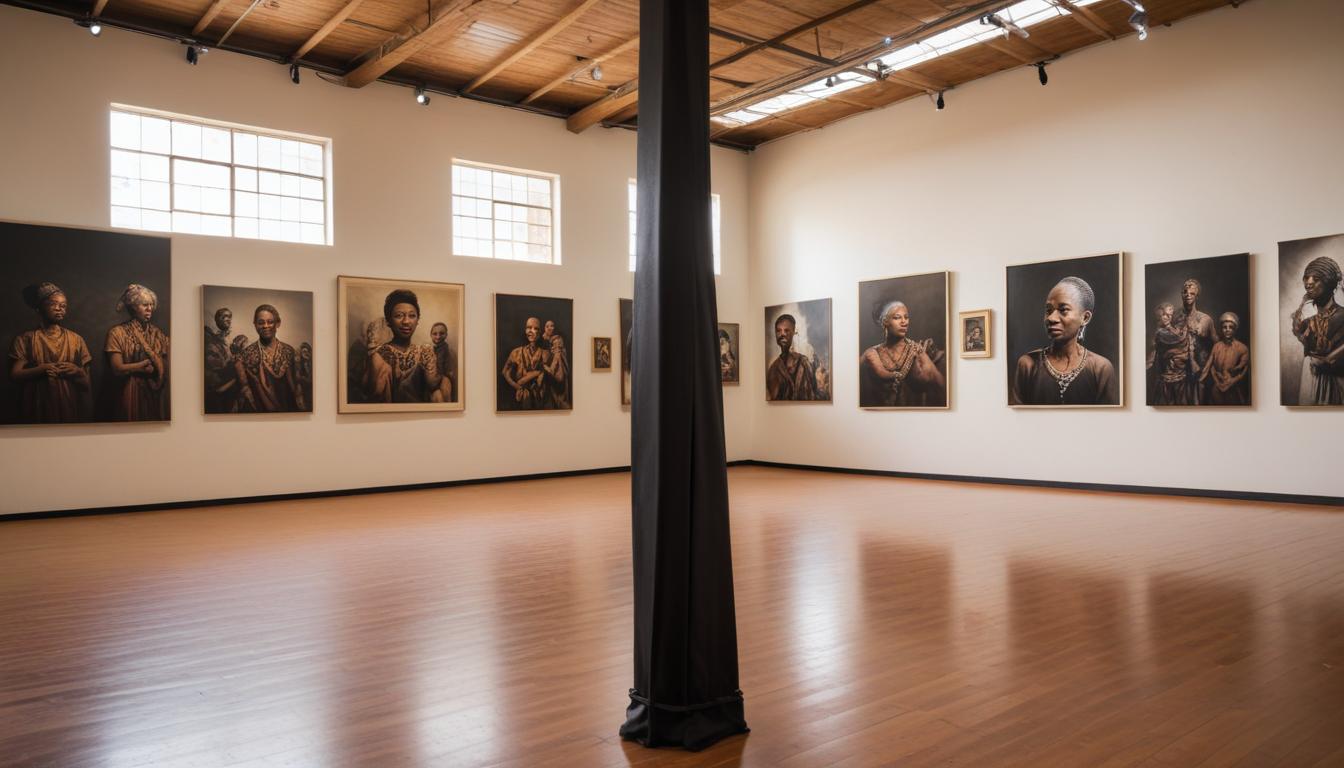
Walk through Maboneng on a Saturday afternoon and you'll witness something remarkable: blank walls have become canvases, alleyways double as open-air galleries, and what was once considered vandalism now commands respect as legitimate urban art. This transformation, replicated across multiple Johannesburg neighbourhoods, is doing more than beautifying streets—it's fundamentally reshaping how the city sees itself.
The impact is measurable. Property valuations in Maboneng have climbed steadily since street art became embedded in the precinct's identity around 2010, with commercial spaces now fetching premium rental rates. Yet beyond economics lies something deeper: these creative districts have become crucial sites where Johannesburg's fractured communities intersect, where township aesthetics meet global contemporary art movements, and where young South African artists claim international recognition without leaving home.
Newtown's Precinct, anchored by the Market Theatre and increasingly by its street art community, has positioned itself as the city's cultural heartbeat. The district's walls showcase work by celebrated local muralists whose pieces have garnered international attention, creating a cultural gravity that draws artists, designers, and creatives seeking community and visibility. Meanwhile, smaller initiatives in Fordsburg and along the Braamfontein corridor are quietly establishing themselves as emerging creative hubs, with artist collectives claiming spaces that municipal neglect had abandoned.
What distinguishes Johannesburg's approach is how deeply rooted these movements are in local narratives. Unlike sanitised street art programmes in other global cities, Johannesburg's murals grapple with legacies of apartheid, celebrate African diaspora culture, document contemporary social movements, and amplify voices historically excluded from institutional galleries. The work is urgent, political, and undeniably South African.
The infrastructure supporting this ecosystem is still developing. While formal galleries and design studios increasingly cluster in these districts, challenges persist: securing wall permissions, navigating municipal regulations, and ensuring artists benefit financially from their contribution to neighbourhood renewal remain contentious issues. Yet the creative community itself shows resilience, with artist collectives organising festivals, mentoring emerging talent, and building sustainable models that reject extractive tourism frameworks.
As Johannesburg competes for cultural influence on the African continent and globally, these street art districts offer something authentic—a visual language emerging from the city's specific history and present moment. They're not preserving Johannesburg's identity; they're actively creating it, one mural, one collaboration, one neighbourhood reclamation at a time.
This article was compiled by AI from the sources linked above and screened before publishing. See our editorial standards.