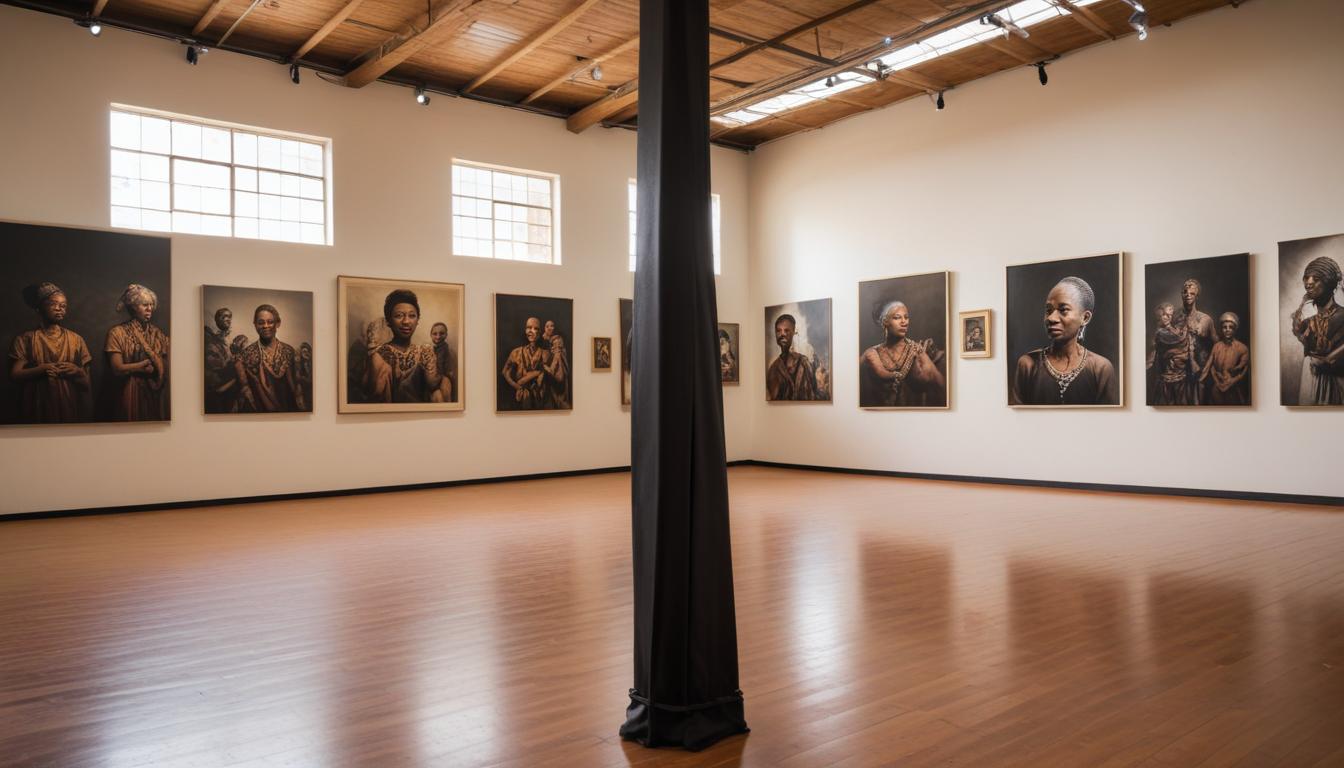
Johannesburg's art and museum landscape has undergone a remarkable transformation over the past decade, evolving into one of Africa's most vibrant cultural hubs. For visitors planning their itinerary, understanding the city's geography and institutional strengths is essential to making the most of your time.
The Apartheid Museum on SOption Street in MuseuMAfrika precinct remains non-negotiable—a sobering, meticulously curated journey through South Africa's most difficult chapters. Expect to spend three to four hours here; advance booking is recommended, particularly during peak seasons. Entry costs around R165 for adults. The museum's architecture itself tells a story, with its fragmented design reflecting historical fractures.
For contemporary art, Maboneng Precinct has become the epicentre of creative energy. This formerly industrial pocket of the city now houses artist studios, experimental galleries, and pop-up spaces concentrated along Fox Street and surrounding blocks. The precinct's First Thursdays programme draws thousands monthly, transforming the area into a open-air gallery experience with live music and street food. It's accessible, affordable, and authentically Johannesburg.
The Zeitz MOCAA (Museum of Contemporary Art Africa) in the Silo precinct—housed in a converted grain elevator—commands attention for both its stunning architecture and ambitious programming. The building itself, designed by British architect Thomas Heatherwick, has become an international landmark. Expect cutting-edge African and global contemporary work across multiple galleries.
Don't overlook the Goodman Gallery, with branches on Jan Smuts Avenue in Parkwood and Maboneng. Known for championing South African artists internationally, it offers a more intimate curatorial vision than larger institutions.
Practical considerations: Johannesburg's galleries are geographically dispersed, so plan routes carefully. The city's public transport infrastructure remains limited; ride-sharing apps or guided art tours are advisable. Most major galleries cluster in Maboneng, Parkwood, and the Silo precinct—three distinct neighbourhoods worth separate visits. Entrance fees vary from free (some artist-run spaces) to R200+. Hours fluctuate seasonally; confirm ahead.
Safety is often raised by visitors. Stick to established gallery routes, visit during daylight hours for street-level precinct exploration, and travel with friends when possible. Maboneng and Silo precincts have invested heavily in security infrastructure.
The city's museum and gallery scene reflects Johannesburg's identity: complex, forward-looking, and unapologetically confrontational about its history. Whether you're drawn to institutional heft or grassroots creativity, the city delivers both in abundance.
This article was compiled by AI from the sources linked above and screened before publishing. See our editorial standards.