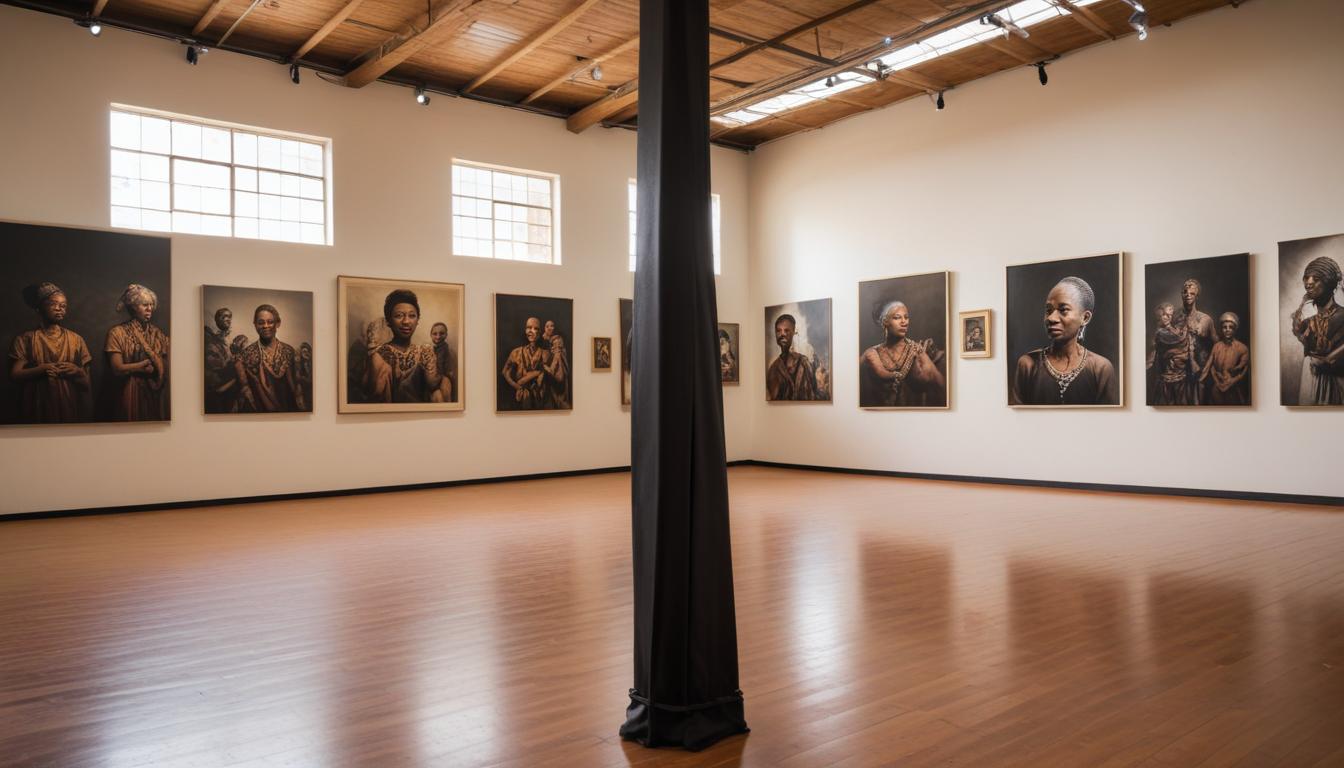
Walk through Maboneng Precinct on a Friday evening and you'll encounter a thriving cultural ecosystem: galleries spilling onto Fox Street, the smell of craft beer from independent breweries, murals cascading down warehouse walls. But this transformation—from a decaying industrial zone into one of Johannesburg's most sought-after cultural destinations—didn't happen by accident.
The story begins in 2009, when developer Jonathan Liebmann acquired a cluster of abandoned Victorian-era buildings in the Fox Street corridor. At the time, the area was considered dangerous and economically moribund. Yet Liebmann's vision, shaped by conversations with artists already quietly occupying the space, was to create a mixed-use precinct that would prioritise creative enterprise alongside commercial viability.
What makes Maboneng's trajectory remarkable is how deliberate cultural stewardship became embedded in its DNA. The Precinct's founding principles—developed through consultation with local artists, heritage organisations and the surrounding Doornfontein community—prioritised affordable studio space for emerging creators. Monthly rents of R3,000 to R6,000 for artists stood in stark contrast to the R15,000-plus demanded in Sandton or Parktown North.
The people who shaped this scene extended beyond developers. Curators at Gallery MOMO, established within the precinct in 2010, became tastemakers who elevated emerging South African artists. Theatre practitioners converted warehouse spaces into experimental venues. Street artists like Faith47 and William Kentridge's associates transformed blank walls into galleries themselves, establishing Maboneng as a destination for visual culture that rivalled traditional art institutions.
Today, the precinct hosts over 200 creative businesses, from photography studios to fashion designers. The annual Maboneng Precinct Festival, launched in 2012, now attracts 15,000 visitors and has become a marker of Johannesburg's cultural calendar. Yet this success has created tension: property values have tripled since 2010, pricing out the very creative class that built the scene.
The challenge facing Maboneng's architects now mirrors broader questions about cultural gentrification in inner-city Johannesburg. How do you sustain artistic authenticity while remaining economically viable? How do you honour the community heritage—the precinct sits within a historically Indian and working-class neighbourhood—while attracting global investment?
These questions define not just Maboneng's future, but Johannesburg's identity as a cultural city. The precinct remains a case study in how deliberate curatorial vision, rather than market forces alone, can shape a city's creative conscience.
This article was compiled by AI from the sources linked above and screened before publishing. See our editorial standards.