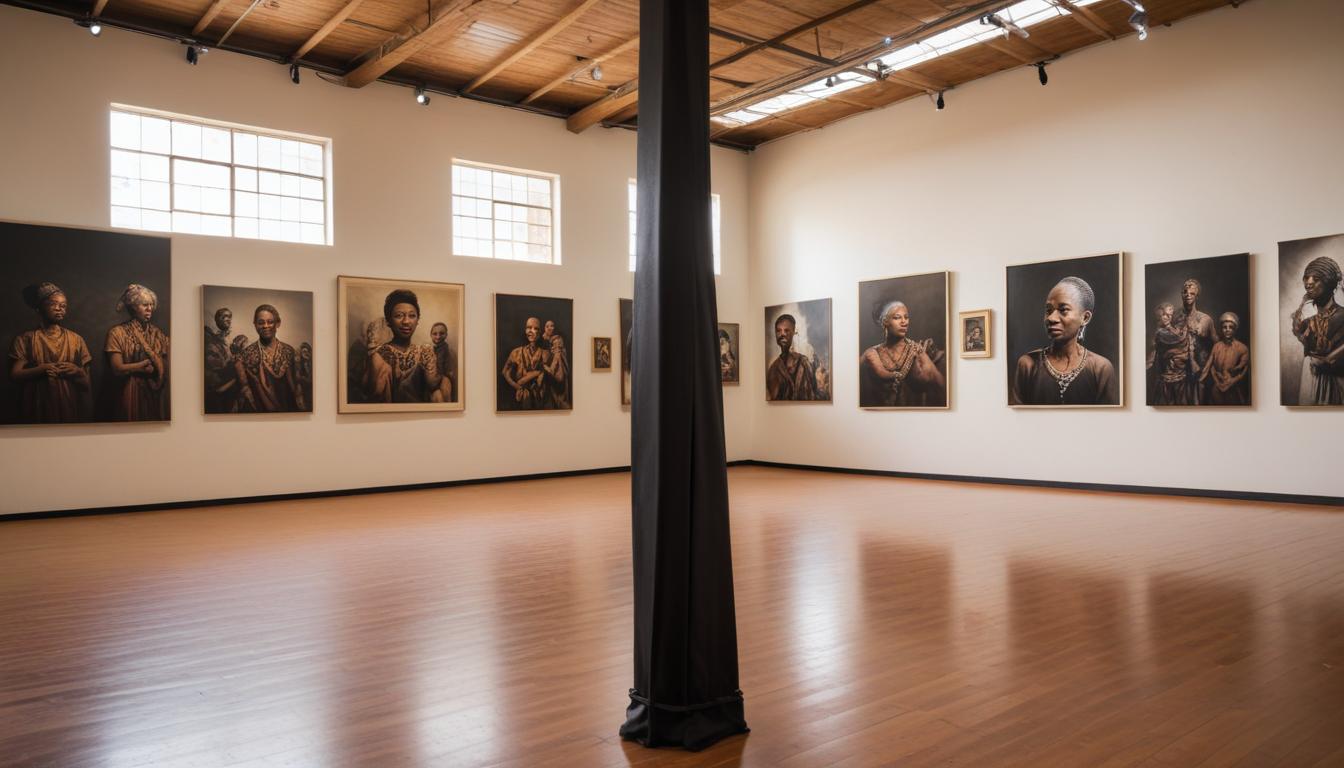
Mining the Past: How Johannesburg's Colonial History is Reshaping Its Creative Identity
From the Apartheid Museum to grassroots heritage projects in Soweto, the city is reclaiming its contested past to build a distinctly African cultural future.
From the Apartheid Museum to grassroots heritage projects in Soweto, the city is reclaiming its contested past to build a distinctly African cultural future.
Walk through the Maboneng Precinct on a Saturday afternoon and you'll witness Johannesburg's cultural paradox in full display: art galleries housed in converted mining warehouses, craft markets sprawling across cobblestoned streets that once echoed with colonial commerce, and young creatives deliberately situating themselves in spaces that embody the city's extractive history.
This phenomenon—the deliberate engagement with Johannesburg's gold-rush origins and apartheid legacy—has become central to how the city now defines itself culturally. Rather than erasing these narratives, cultural practitioners are excavating them, interrogating them, and using them as the bedrock for contemporary creative expression.
The Apartheid Museum on Soros Street remains essential to this reclamation project, attracting over 340,000 visitors annually. But increasingly, the work is happening in smaller, community-led spaces. The Soweto Heritage Route, managed by local guides and community organisations, has become a pilgrimage site for both domestic and international visitors seeking authentic narratives beyond institutional framing. Walking tours through Vilakazi Street—once home to Nelson Mandela and Archbishop Desmond Tutu—now generate sustainable income while ensuring local communities control their own historical narratives.
The shift extends into visual and performing arts. Galleries like Goodman Gallery and Zeitz MOCAA anchor the contemporary scene, but it's the street art initiatives in Braamfontein and Newtown that reveal the deeper cultural work underway. Muralists and mixed-media artists regularly reference mining landscapes, gold extraction iconography, and township history. These aren't nostalgic gestures; they're active interrogations of power, labour, and extraction—both historical and contemporary.
Music venues like Bassline in Newtown programme acts who explicitly engage with the city's cultural archaeology. The Jazz Route initiative connects venues across the city to tell interconnected stories of Johannesburg's role in African jazz history during apartheid's darkest years.
What's remarkable is that this heritage-focused cultural work attracts younger audiences precisely because it feels urgent, not antiquarian. For creatives aged 18 to 35, understanding where Johannesburg came from—its violent origins, its resistance movements, its cultural production under duress—feels essential to imagining where it's going.
The ticket prices tell part of the story too. While international cultural institutions charge premium rates, many community-led heritage initiatives remain deliberately affordable (R20-R50 for walking tours) to ensure working-class Johannesburg residents aren't priced out of their own history.
Six years into democracy's second generation, Johannesburg's cultural identity isn't being built from scratch. It's being built from the ground up, using the city's complicated past not as burden but as material—raw, contested, generative.
This article was compiled by AI from the sources linked above and screened before publishing. See our editorial standards.
How does this story make you feel?
Spread the word
About this article
Published by The Daily Johannesburg
Daily brief
Free, in your inbox before 7am. Weekdays.
More in culture