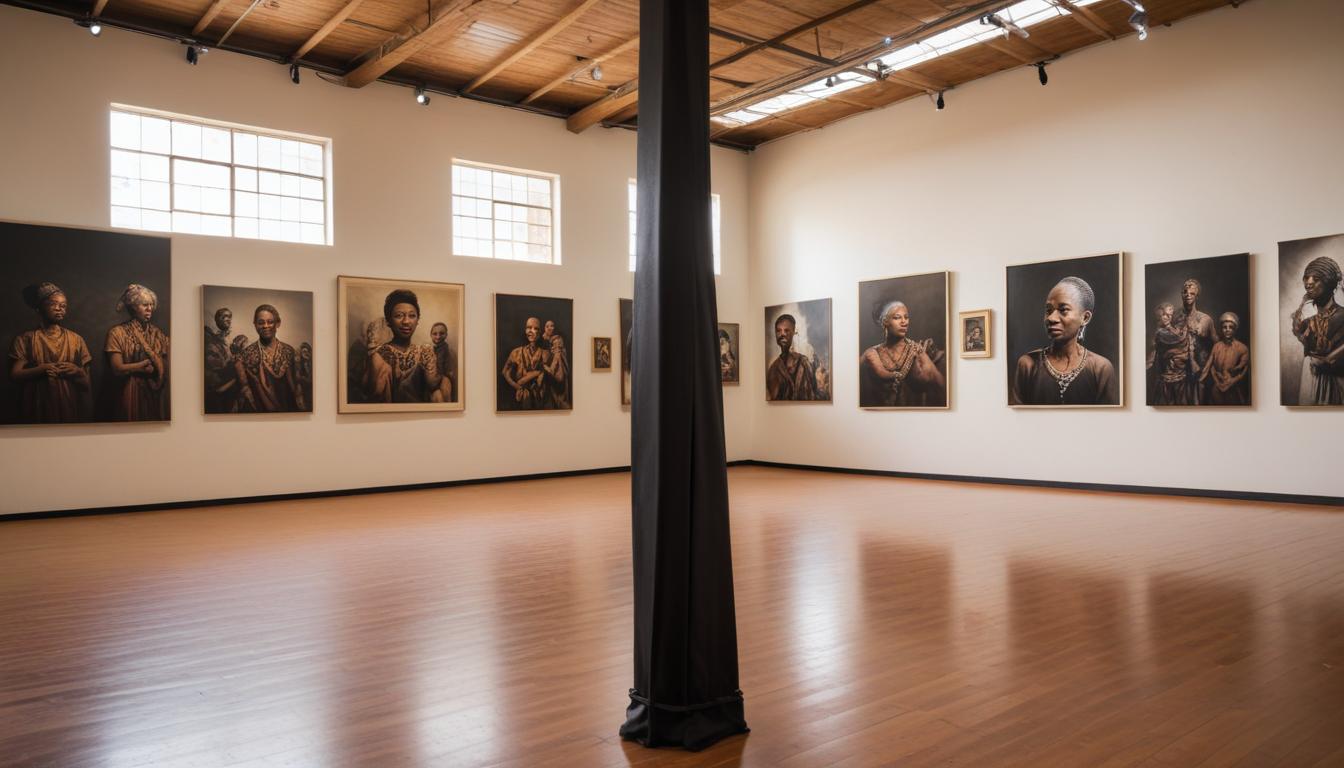
The Architects of Maboneng: How a Handful of Visionaries Transformed Johannesburg's Inner City
From abandoned warehouses to gallery openings, the story of who built the precinct reveals hard choices, risk-taking, and a city remaking itself.
From abandoned warehouses to gallery openings, the story of who built the precinct reveals hard choices, risk-taking, and a city remaking itself.
Walk through Maboneng today—past the weekend crowds at Friday galleries, the art students sketching outside Fox Street studios, the restaurants spilling onto pavement terraces—and you encounter a neighbourhood that feels inevitable. It wasn't. A decade and a half ago, this corner of the inner city was synonymous with urban decay: empty office blocks, boarded-up shopfronts, a place most Johannesburgers avoided after dark.
The transformation began with property developers and cultural entrepreneurs willing to bet on a neighbourhood others had written off. They secured long-term leases on hulking Victorian industrial buildings, invested in security infrastructure that cost hundreds of thousands of rands, and gambled that artists, designers, and young professionals would follow if they built the right spaces. The risk was substantial. Property crime remained a concern. Municipal services were inconsistent. Yet between 2010 and 2018, more than 80 galleries, studios, and creative enterprises opened across the precinct.
What's less visible than the gleaming studio spaces and Instagram-worthy murals is the labour of cultural intermediaries—the gallery owners, curators, and creative directors who convinced established artists to exhibit in a neighbourhood still finding its identity. They hosted late-night talks, organised artist residencies, and built relationships with international collectors willing to travel to Fox Street and Kruger Street. The Goodman Gallery's decision to open a second location here in 2012 was symbolic: a stamp of credibility from one of Africa's most established contemporary art institutions.
Yet the story is complicated. Gentrification has followed transformation. Studio rental rates have climbed steeply—from around R2,500 to R6,000 monthly for modest 30-square-metre spaces since 2015. Some original artist-residents have relocated further out, to Braamfontein and beyond. Community leaders in surrounding townships argue that the precinct's success has not materially benefited neighbouring residents through job creation or skills development at meaningful scale.
Still, Maboneng's cultural ecosystem—anchored by institutions like Arts on Main and vibrant independent galleries—has reshaped Johannesburg's global narrative. The precinct now attracts international art buyers, architecture students, and cultural tourists. More importantly, it demonstrated to a city fractured by history and geography that neighbourhoods dismissed as lost could be reimagined through sustained cultural investment.
The question facing Johannesburg now is whether this model can be replicated elsewhere—and whether future transformations can be more genuinely inclusive than the first.
This article was compiled by AI from the sources linked above and screened before publishing. See our editorial standards.
How does this story make you feel?
Spread the word
About this article
Published by The Daily Johannesburg
Daily brief
Free, in your inbox before 7am. Weekdays.
More in culture