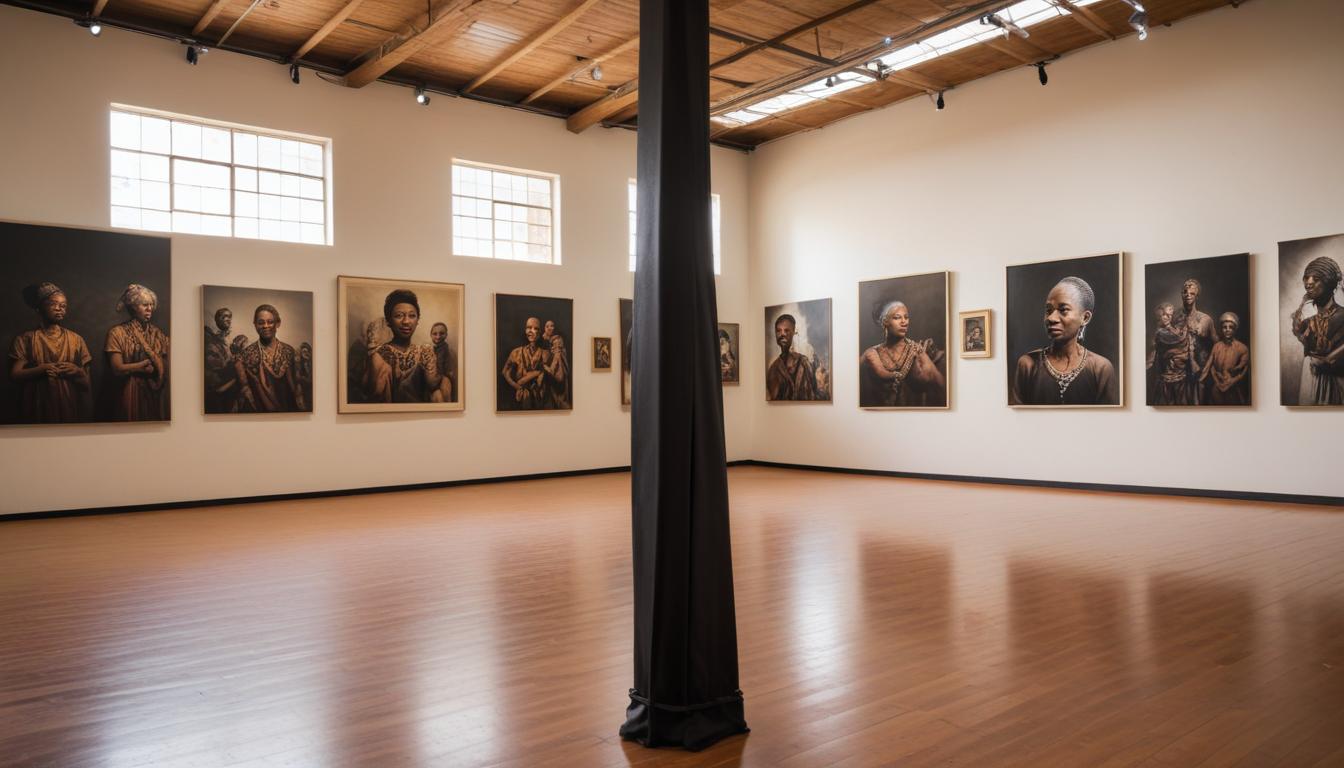
When the Apartheid Museum opened its doors in 2002, it represented a watershed moment for Johannesburg's arts landscape. The institution, located at Maropeng Precinct near the Cradle of Humankind, would become one of Africa's most visited museums, attracting over 600,000 visitors annually. Yet this wasn't the beginning of the city's cultural renaissance—it was merely the most visible manifestation of a decades-long transformation that had begun in the townships and spilled into formal institutions.
The 1980s saw Johannesburg's artistic resistance flourish in unlikely places. While Apartheid restrictions confined Black artists, spaces in Soweto and Alexandra became incubators of creativity. The Market Theatre in Newtown, opened in 1976, became a beacon for anti-establishment performance, hosting banned plays and challenging the regime through art. Today, Newtown remains the epicentre of Johannesburg's cultural revival, with galleries, studios, and performance venues clustered along Simmonds and Carr Street.
The transition from struggle art to post-apartheid prosperity wasn't seamless. When democracy arrived in 1994, Johannesburg's arts institutions faced the twin challenge of maintaining their activist roots while professionalising to compete globally. The Goodman Gallery, established in 1966 and now with spaces in both Johannesburg and Cape Town, exemplifies this evolution—moving from representing anti-apartheid artists to showcasing South African work on international auction blocks, with contemporary pieces commanding prices that would have seemed impossible two decades ago.
Maboneng Precinct, developed from 2009 onwards on the eastern edge of the Johannesburg CBD, represents the new model: a deliberately gentrified arts destination housing galleries, restaurants, and studios that blur the lines between commerce and culture. Venues like the Arts on Main complex have become aspirational destinations, though they've also sparked debates about displacement and who gets to claim space in the city's cultural narrative.
The Johannesburg Museum and Museum Africa in the Newtown precinct have similarly reinvented themselves, shifting from colonial-era exhibition models to more inclusive storytelling. The Zeitz MOCAA's success in Cape Town prompted similar institutional ambitions here, though Johannesburg's gallery scene has remained more distributed and decentralized—reflecting the city's sprawling geography and the persistence of cultural activity across multiple neighbourhoods.
Today, Johannesburg's arts scene generates significant economic activity. The cultural industries are estimated to contribute over R2 billion annually to the local economy, with galleries and museums employing thousands directly and indirectly. Yet the challenge remains: ensuring this prosperity extends beyond the visible, moneyed institutions into the township studios where it all began.
This article was compiled by AI from the sources linked above and screened before publishing. See our editorial standards.