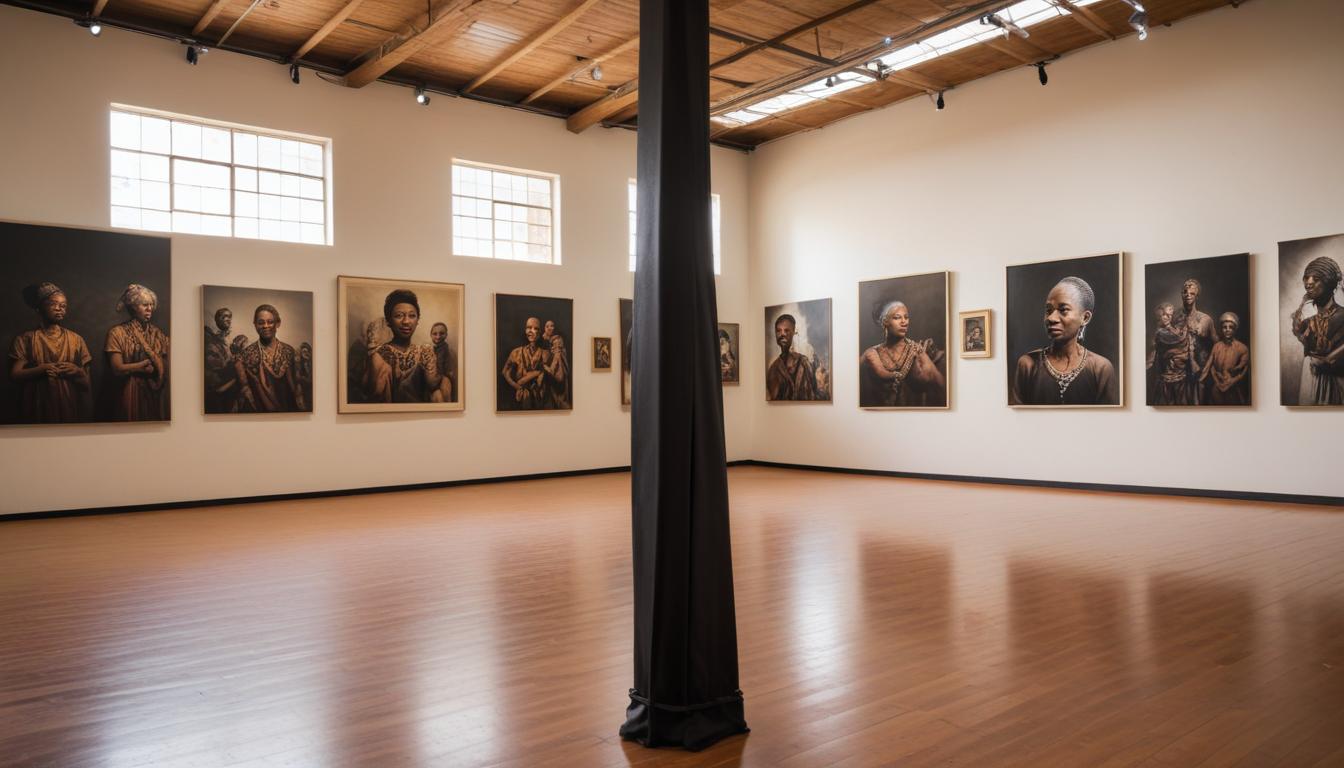
Walking through Braamfontein on a Friday evening, the transformation is impossible to miss. Where industrial warehouses once sat dormant, independent theatre collectives now activate spaces with experimental performances, film screenings, and workshops that charge R20 to R50 for entry—a deliberate pivot away from the R150-plus pricing that has long kept Johannesburg's formal arts venues exclusive.
This shift reflects a broader movement reshaping how performing arts circulate through the city. Over the past three years, grassroots organisations have grown from scattered initiatives into a coordinated ecosystem. The Maboneng Precinct, anchored by galleries and studios, has become a hub where emerging theatre makers collaborate with dancers and visual artists. Meanwhile, neighbourhood collectives in Soweto, Alexandra, and the inner city are establishing their own circuits, bypassing traditional funding mechanisms that historically favoured established institutions.
"What's happening now is deliberately decentralised," explains the work of groups like Khaya Nonjabulo Productions and the Artist Proof Studio's performance division, which have shifted focus to community-driven programming. These organisations aren't waiting for grant approvals or corporate sponsorship. Instead, they're investing in local talent pipelines, offering skills training in playwriting, directing, and film production to young people across the metropolitan area.
The numbers tell a compelling story. According to a 2025 survey by the National Arts Council, theatre attendance in Johannesburg's suburban and township venues increased 34% year-on-year, while attendance at traditional venues in the city centre remained flat. Independent film screenings—often held in community halls, churches, and outdoor spaces—now draw larger crowds than conventional cinema runs for local productions.
Market Theatre in Newtown and Wits Theatre remain institutional anchors, but the energy is undeniably shifting towards smaller, adaptable spaces. Pop-up performances in empty lots along Main Street, film clubs in Fordsburg's converted warehouses, and dance rehearsals in Hillbrow's reclaimed studios represent a conscious rejection of the scarcity mindset that has long plagued the sector.
What unites these efforts is philosophy rather than funding: a belief that performing arts belong to everyone, not to those who can afford premium tickets. As more collectives document and share their methodologies—through social media, community networks, and informal mentorship—this movement is crystallising into something genuinely structural. Johannesburg's arts scene isn't just being reimagined; it's being rebuilt from the ground up.
This article was compiled by AI from the sources linked above and screened before publishing. See our editorial standards.