On a Saturday morning in Maboneng, the streets around Fox Street buzz with purpose. Community volunteers move between restored Victorian facades, installing plaques that document the neighbourhood's trajectory from colonial outpost to vibrant creative hub to urban decay—and now, resurrection. This is the visible face of a quiet cultural revolution reshaping how Johannesburg relates to its own history.
Over the past three years, organisations like the Maboneng Precinct's heritage collective and independent groups operating from spaces like the Bag Factory in Fordsburg have mobilised hundreds of residents, artists and students around a deceptively simple premise: that cultural identity belongs to communities, not corporations or heritage boards sitting in government offices.
"What we're doing here isn't nostalgia," explains one heritage activist working across Newtown and Braamfontein. "It's about power. When communities tell their own stories, they control their own futures." The movement has grown enough to prompt municipality engagement—though not without tension. Entry fees to some heritage walking tours in Maboneng have risen to R180 per person, pricing out many long-term residents, yet attendance has doubled since 2024.
The work extends beyond plaques and tours. In Hillbrow and Berea, youth collectives are documenting oral histories through podcast projects and street art. The Soweto Heritage Route, initially a top-down tourism initiative, has been substantially redesigned by community members who insisted on centring stories of resistance alongside historical landmarks. Participation in community heritage workshops across the city has grown to approximately 2,400 people annually.
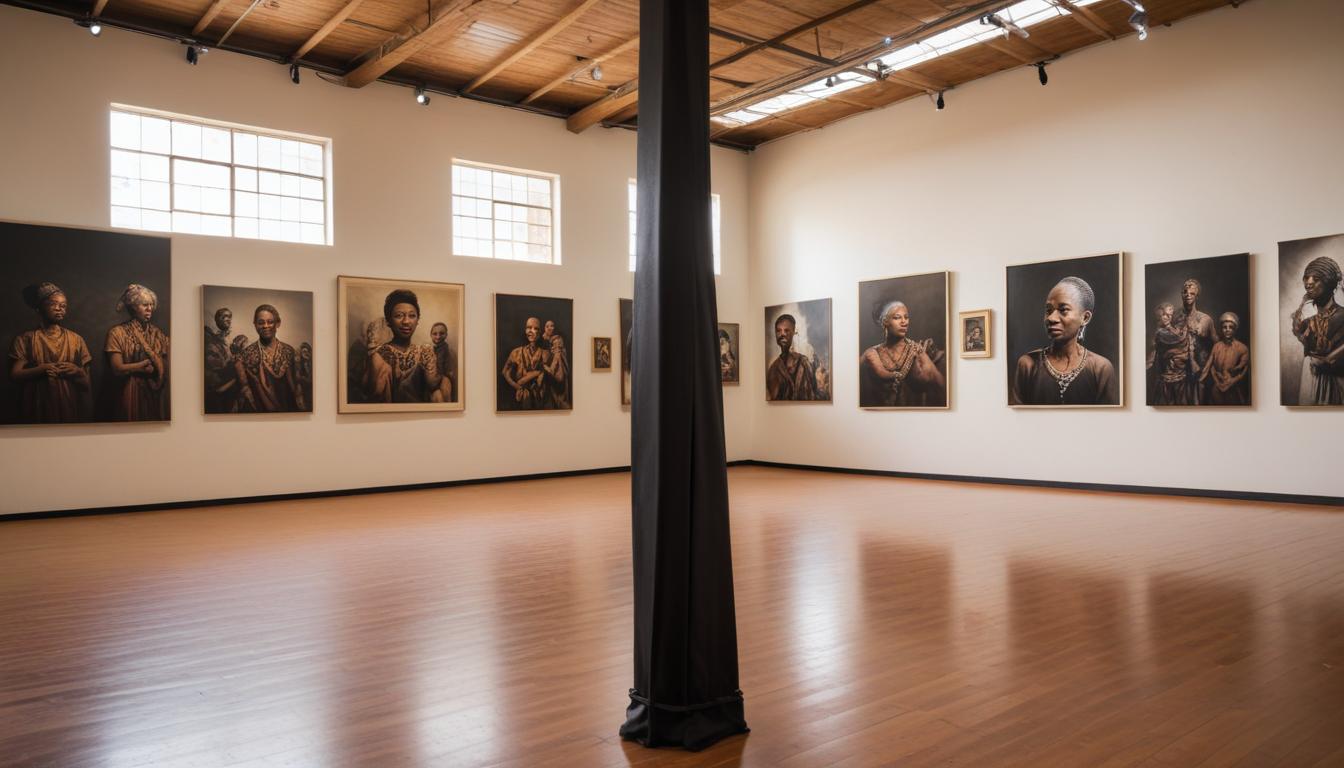
What distinguishes this movement is its insistence on complexity. Rather than sanitising Johannesburg's contradictory past—the gold rush wealth built on migrant labour exploitation, the creative flowering amid segregation, the current inequality—activists are demanding that heritage spaces reflect uncomfortable truths alongside celebration. A series of exhibitions in smaller venues across the city has deliberately partnered with schools in working-class areas, reaching students typically excluded from cultural institutions.
The momentum isn't uncontested. Property developers eyeing heritage neighbourhoods view community-driven cultural reclamation with ambivalence—it adds value but threatens displacement. Yet the movement persists, fuelled less by institutional backing than by residents who recognise that how Johannesburg remembers itself directly shapes who gets to belong here tomorrow.
For a city perpetually negotiating its identity, this grassroots push represents something rare: a reminder that culture moves upward from communities, not downward from authorities.
This article was compiled by AI from the sources linked above and screened before publishing. See our editorial standards.