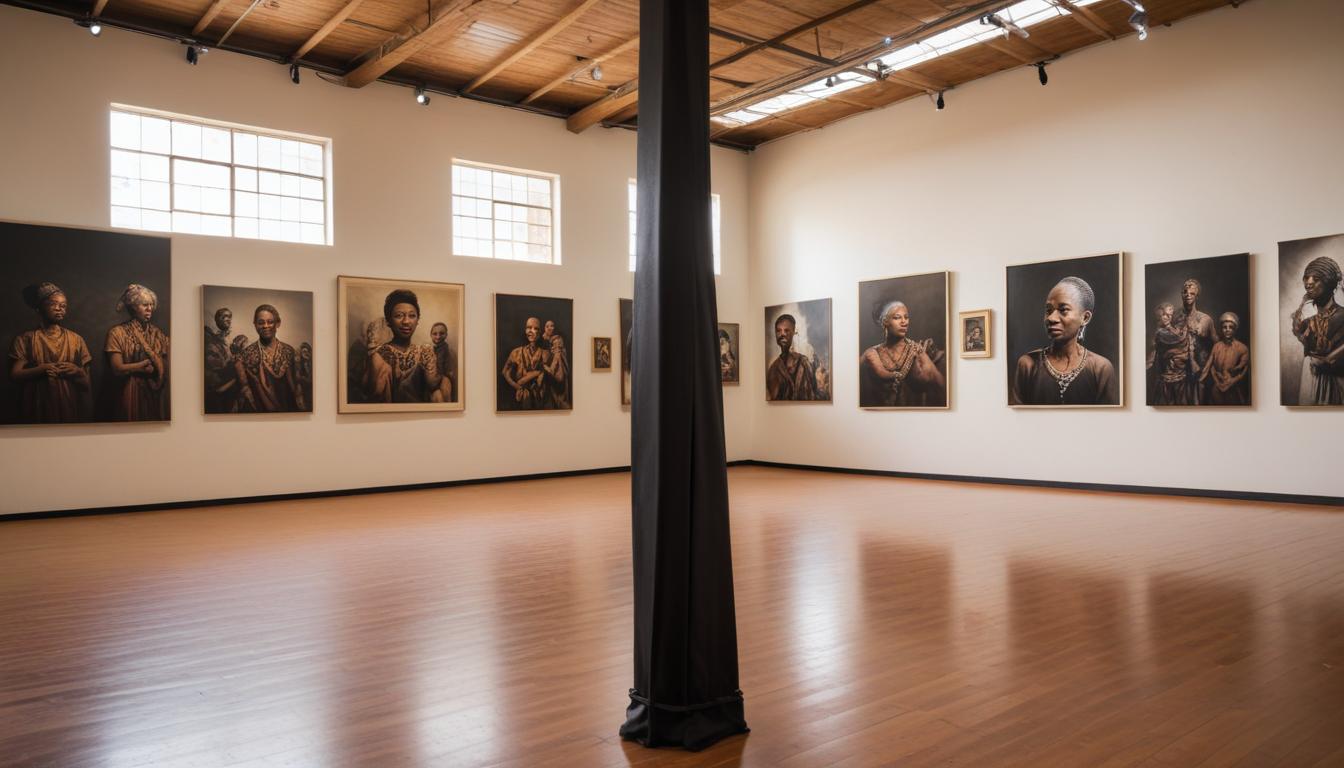
Canvas and Community: How Street Art is Redefining Johannesburg's Creative Soul
From Maboneng to Soweto, murals and design districts are reshaping how the city sees itself—and how the world sees Johannesburg.
From Maboneng to Soweto, murals and design districts are reshaping how the city sees itself—and how the world sees Johannesburg.
Walk down Main Road in Maboneng on a Saturday morning and you'll witness Johannesburg's most visible cultural revolution. Towering murals by artists like Karabo Poppy and international collectives transform blank industrial walls into galleries. This isn't accidental beautification—it's the backbone of how South Africa's economic powerhouse is reclaiming its identity, one spray can at a time.
The street art movement has fundamentally shifted Johannesburg's self-perception. Where the CBD was once synonymous with urban decay and abandonment, creative districts now pulse with galleries, design studios, and artist residencies. Maboneng's transformation over the past decade—from a no-go zone to a destination attracting over 100,000 visitors monthly—proves that visual culture isn't peripheral to urban renewal; it's central to it.
Beyond Maboneng, neighborhoods are staking claims to creative identity through design. Braamfontein's Design District has emerged as a hub for emerging designers and architects, while Soweto's murals tell stories of resistance, resilience, and township pride. The Soweto Gallery Walk, now in its fifth year, documents over 200 registered artworks across the township, creating economic opportunity while preserving cultural memory.
The economics matter too. A 2025 Johannesburg Tourism report noted that street art and design districts contribute approximately R2.8 billion annually to the local creative economy, with studio rentals in creative zones ranging from R3,500 to R12,000 monthly—significantly lower than commercial office space. This affordability is crucial; it allows young South African artists to establish themselves without relocating to London or Berlin.
What distinguishes Johannesburg's street art scene is its unapologetic localness. These aren't generic murals; they reference apartheid history, celebrate Black excellence, and interrogate contemporary inequality. Artists use the city as text, and residents read it daily.
But challenges persist. Rapid gentrification threatens to price out the communities these artworks celebrate. Property developers increasingly weaponize street art as a marketing tool, stripping it of political meaning. The tension between preservation and commodification defines the current moment.
Yet something undeniable is happening. When international media profiles Johannesburg, they're no longer leading with crime statistics—they're photographing the Maboneng murals. When young creatives consider staying in South Africa, they're thinking about Johannesburg's creative districts. Street art hasn't solved the city's profound inequalities, but it's offered something equally important: a new language for imagining what Johannesburg could become.
This article was compiled by AI from the sources linked above and screened before publishing. See our editorial standards.
How does this story make you feel?
Spread the word
About this article
Published by The Daily Johannesburg
Daily brief
Free, in your inbox before 7am. Weekdays.
More in culture