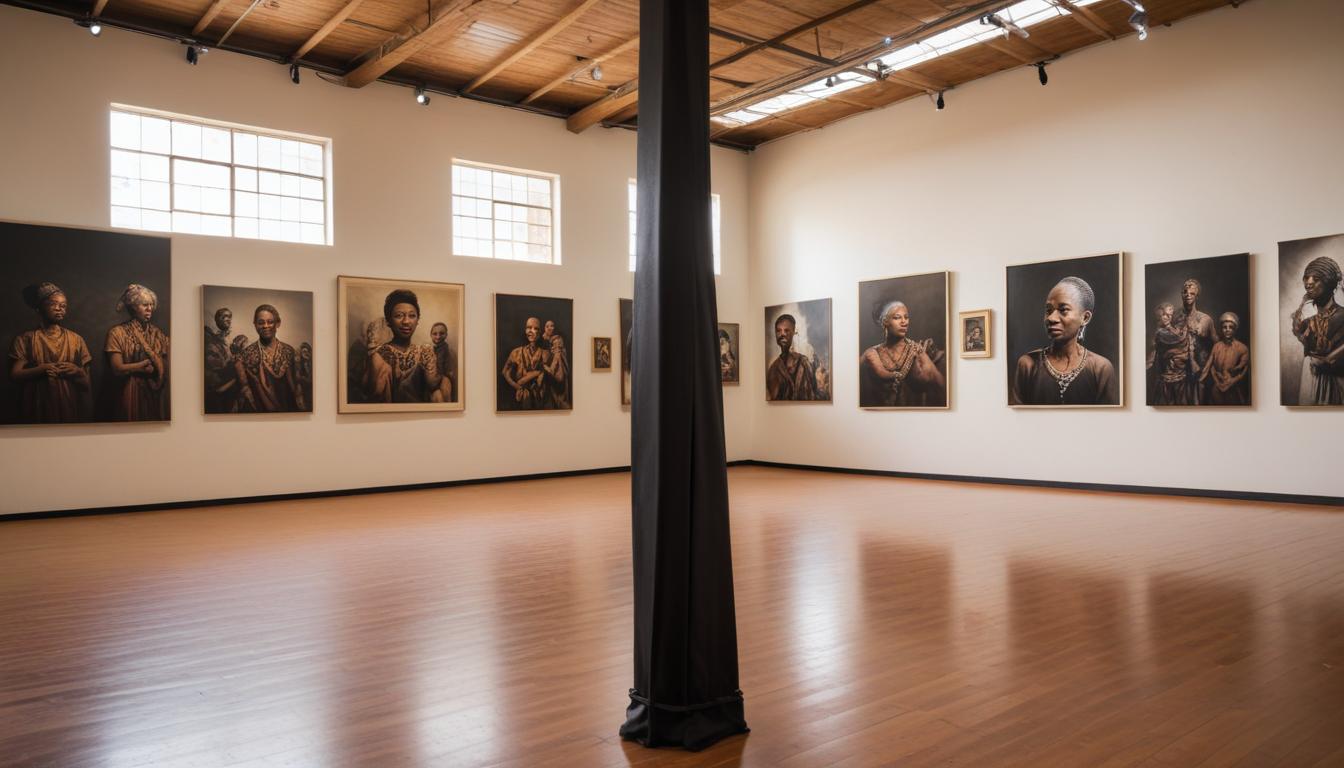
Walk through the cobblestone laneways of Maboneng on any given Friday evening and you'll encounter a gallery scene in flux. Gone are the days when Johannesburg's art world revolved exclusively around the commercial heavyweights of Rosebank and Sandton. Instead, a wave of emerging artists—many under 35, many deliberately working outside traditional institutional frameworks—are reclaiming the city's cultural narrative with urgency and originality.
The shift is unmistakable. Galleries like Project Space on Fox Street and the collective-run studios dotting Fordsburg are becoming breeding grounds for experimentation that prioritises local storytelling over international market appeal. According to the Johannesburg Development Agency's recent cultural audit, nearly 60% of active independent artist-led spaces opened in the past three years, signalling a fundamental democratisation of the city's art infrastructure. Entry costs reflect this accessibility: many emerging artist exhibitions operate on a donation basis or charge as little as R50 per visitor, compared to the R150-R300 typical of established galleries.
What distinguishes this cohort isn't merely their youth or their willingness to eschew commercial galleries. It's their thematic preoccupation with the material conditions of the city itself. Artists working in Braamfontein, Newtown, and the increasingly vibrant Wynberg corridor are directly engaging with gentrification, infrastructural collapse, and community resilience—themes that feel urgently necessary in a metropolis perpetually negotiating its post-apartheid identity.
The Museum of Africa in Newtown remains an institutional anchor, but it's the parallel ecosystem—artist collectives, pop-up installations, and community-embedded projects—that now commands attention. Organisations like Kalushi Institute for the Arts and the growing number of artist residencies operating from converted industrial spaces are functioning as laboratories where emerging practitioners test ideas before they ever reach white-wall gallery contexts.
Funding remains precarious. The National Arts Council's grants are increasingly competitive, and many emerging artists cobble together income through teaching, freelance design, and patronage networks. Yet this constraint has proven paradoxically generative, forcing creative solutions and deeper community engagement.
What's clear is that Johannesburg's next significant artistic moment will be authored by practitioners currently working in these less visible spaces—in warehouse studios, community centres, and borrowed corners of the city. The established gallery world would be wise to pay attention. The conversation is already happening elsewhere.
This article was compiled by AI from the sources linked above and screened before publishing. See our editorial standards.