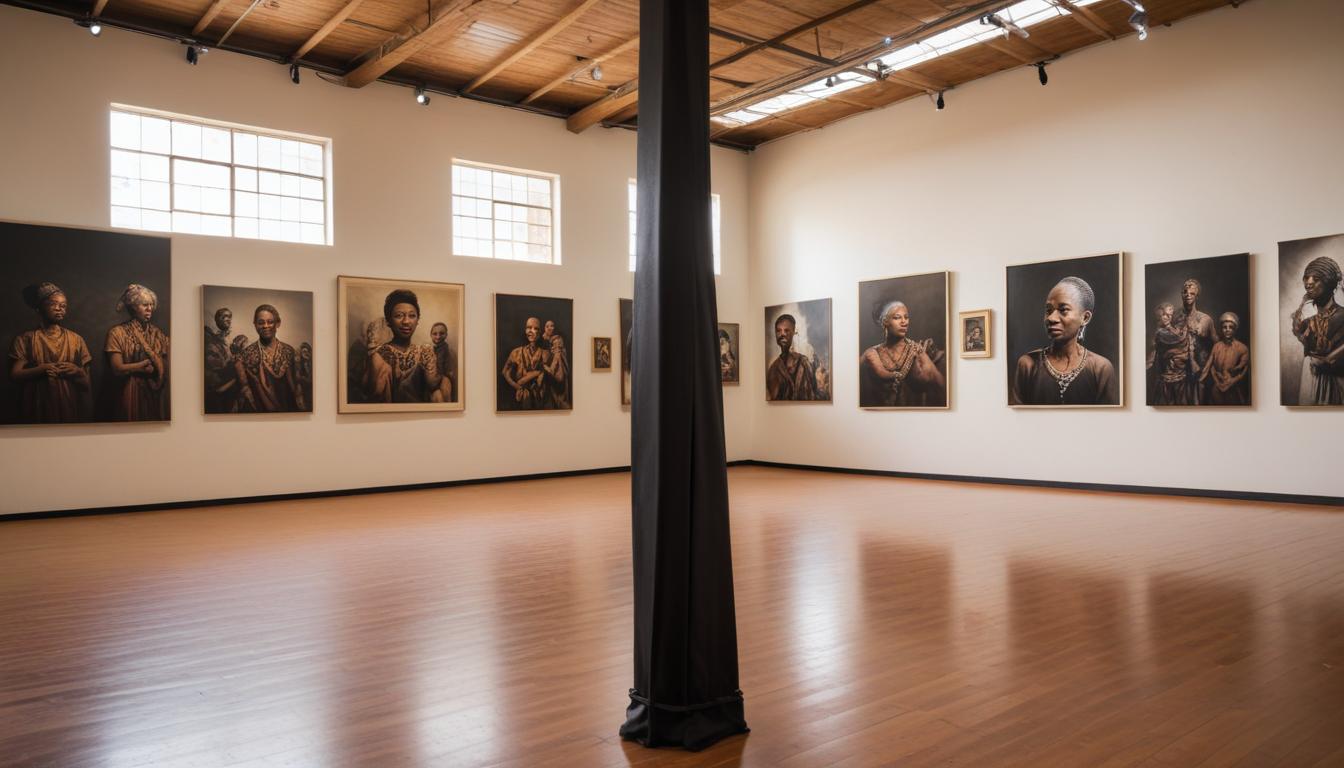
Walk through Maboneng today and you encounter a seemingly organic explosion of creativity: murals cascading down warehouse walls on Main Street, independent galleries tucked into heritage buildings, craft breweries and design studios humming with activity. But this transformation—which has made the precinct a drawcard for both tourists and young creatives—was neither accidental nor inevitable. It was engineered by a specific coalition of stakeholders whose choices, investments and vision fundamentally reshaped one of Johannesburg's most historically significant neighbourhoods.
The story begins with property entrepreneur Jonathan Liebmann, whose decision in 2009 to invest heavily in the crumbling warehouses and Victorian buildings of the inner city marked a watershed moment. What followed was a deliberate strategy: acquiring properties, offering below-market studio rents to attract artists, and creating public spaces designed to encourage foot traffic and community gathering. The Maboneng Precinct, as a branded entity, emerged from this calculated urban renewal approach, transforming 18 city blocks that had suffered decades of disinvestment.
Yet crediting only developers would misrepresent the story. Street artists like Faith47 and Karabo Poppy, who painted some of the neighbourhood's most iconic murals, were instrumental in establishing Maboneng's creative identity. Community organisations including the Johannesburg Development Agency worked to ensure the transformation benefited existing residents, not merely external investors. Local historians and heritage advocates fought to preserve architectural integrity—ensuring that adaptive reuse respected rather than erased the buildings' origins in Johannesburg's mining and manufacturing boom of the early 1900s.
The numbers tell a partial story: property values in Maboneng have appreciated approximately 300% since 2010, while footfall has grown from negligible to over 15,000 weekly visitors. More than 200 creative businesses now operate in the precinct, generating an estimated R2 billion in annual economic activity. But statistics obscure the complex negotiations, compromises and competing visions that created this reality.
Today, questions linger about whether Maboneng represents genuine cultural renaissance or gentrification dressed in progressive language. Rising rents have displaced some early artist residents. Yet the precinct remains undeniably central to Johannesburg's contemporary identity—a visible statement about how cities can be remade, and a testament to how cultural heritage intersects with real estate, art and power.
Understanding Maboneng requires acknowledging all the actors in this story: not merely visionary developers, but the artists, organisers and communities whose labour and choices transformed abandoned buildings into a living cultural district that has become globally recognised as emblematic of Johannesburg's reinvention.
This article was compiled by AI from the sources linked above and screened before publishing. See our editorial standards.