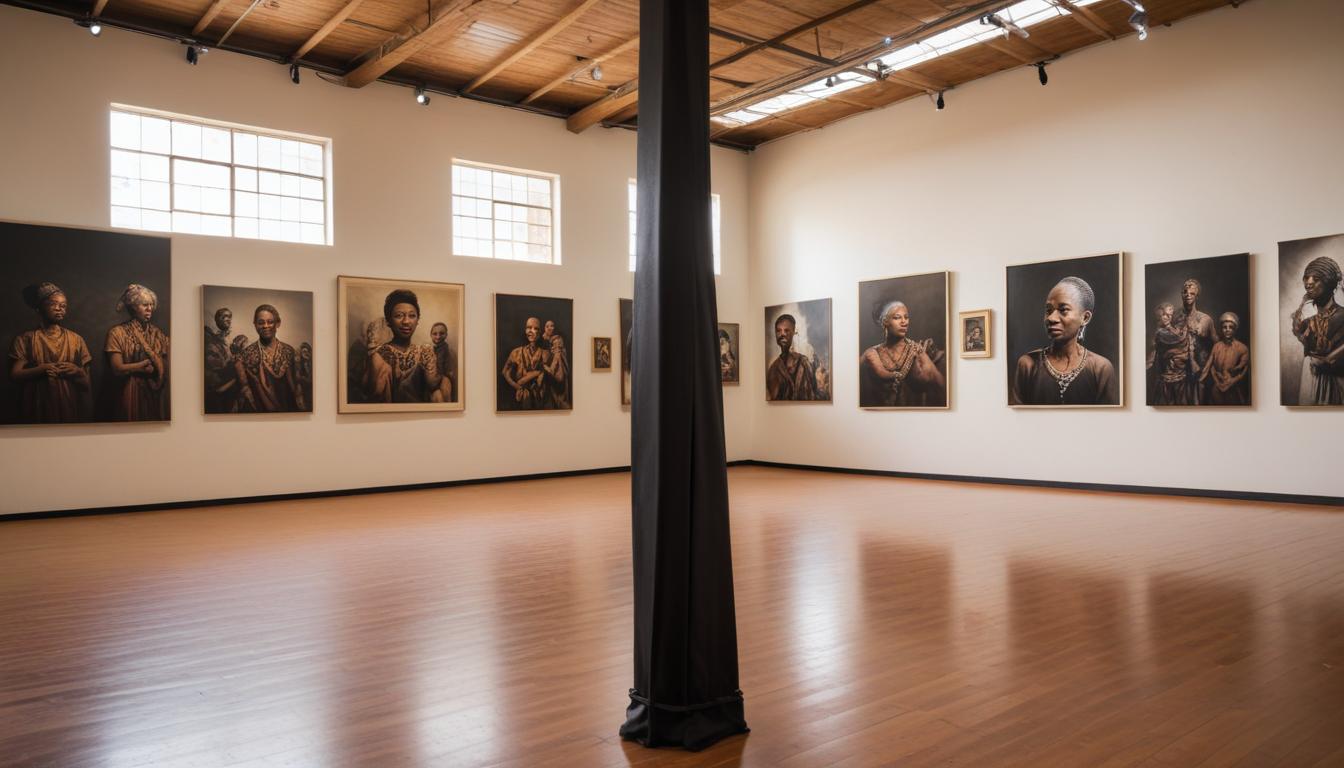
Walk into any laneway off Fox Street in Maboneng on a Friday night and you'll find yourself in what feels less like a restaurant and more like a gallery installation where the plates are the artwork. This is Johannesburg's quietly revolutionary approach to food culture—one where dining has transcended mere sustenance to become a statement of creative identity.
The city's restaurant scene, which has expanded by roughly 23% over the past three years according to Johannesburg Tourism, has become the primary canvas for a new generation of artists, chefs, and entrepreneurs reimagining what the city means. Unlike the rigid fine-dining traditions of older metropolitan centres, Johannesburg's food culture embraces experimentation, hybridity, and storytelling in ways that feel distinctly local.
In neighbourhoods like Parkhurst and Braamfontein, pop-up collectives have transformed the dining experience into participatory art. Chefs collaborate with visual artists, musicians perform between courses, and menus shift monthly—not for marketing purposes, but because the food itself is a conversation about identity, heritage, and belonging. The cost per person often hovers between R280 and R450, making creative dining accessible beyond the traditionally wealthy demographic.
What makes this particularly significant is how these spaces function as informal cultural hubs. The Maboneng Precinct alone hosts over 40 food and beverage establishments, many operated by young Black entrepreneurs and women-led businesses. These aren't just restaurants; they're acts of urban reclamation and creative ownership in a city still negotiating its post-apartheid identity.
Street food culture too has been elevated from informal economy to respected craft. The rise of supper clubs in converted warehouses, the integration of traditional African ingredients into contemporary cooking, and the deliberate centering of local suppliers creates an ecosystem where food becomes a form of cultural documentation.
What's emerging is a distinctly Johannesburg philosophy: creativity without pretension, tradition without nostalgia, and hospitality as radical inclusion. The city's restaurant bar scene isn't simply feeding people—it's feeding a collective reimagining of urban identity.
For a city that has historically defined itself through commerce and skylines, discovering itself through flavour, conversation, and the shared table represents something profound. In Johannesburg's kitchens and dining rooms, culture isn't being consumed. It's being actively created.
This article was compiled by AI from the sources linked above and screened before publishing. See our editorial standards.