Walk into any coffee shop along Sandton's Rivonia Road these days, and you'll hear the same conversation: investors are spooked, but South Africa still has a pulse. The question isn't whether money is moving globally—it clearly is—but understanding which economic signals determine whether that capital reaches Johannesburg's financial district or flows elsewhere.
The rand's recent volatility offers a clearer lesson than any business school could teach. When the currency weakens against the US dollar, it immediately affects foreign direct investment (FDI) decisions. A weakening rand typically makes South African assets cheaper for overseas investors, yet paradoxically, it can also signal economic fragility that keeps money away. This month, the rand hovered around 18.40 to the dollar—a level that has prompted cautious recalibration among fund managers from New York to Singapore.
Corporate sentiment surveys conducted by the Johannesburg Chamber of Commerce show manufacturing confidence sitting at 42 points, well below the neutral 50-point threshold. Yet these same surveys reveal something crucial: infrastructure spending announcements by government trigger measurable upticks in investment inquiries within 48 hours. When the Transnet modernisation programme makes headlines, phones ring in the offices around the Johannesburg Stock Exchange building.
Energy security has become the new currency of investment decisions. Load-shedding costs South Africa an estimated R1.2 trillion annually in lost productivity, according to recent calculations. International investors now calculate Eskom's performance into their risk assessments almost as carefully as they review financial statements. When rolling blackouts ease—even briefly—investment flow metrics visibly improve.
The inflation rate, currently hovering around 3.8 percent, represents perhaps the most underestimated signal in Johannesburg's business corridors. The Reserve Bank's rate decisions ripple through global capital markets within seconds. Each percentage point change affects bond yields, which in turn influence whether pension funds in London or Frankfurt allocate fresh capital to emerging markets like ours.
What unites these indicators is their power to move capital instantaneously. A positive jobs report in Gauteng can shift emerging-market fund allocations by billions within hours. Conversely, a missed revenue target from a JSE-listed company can trigger global rebalancing.
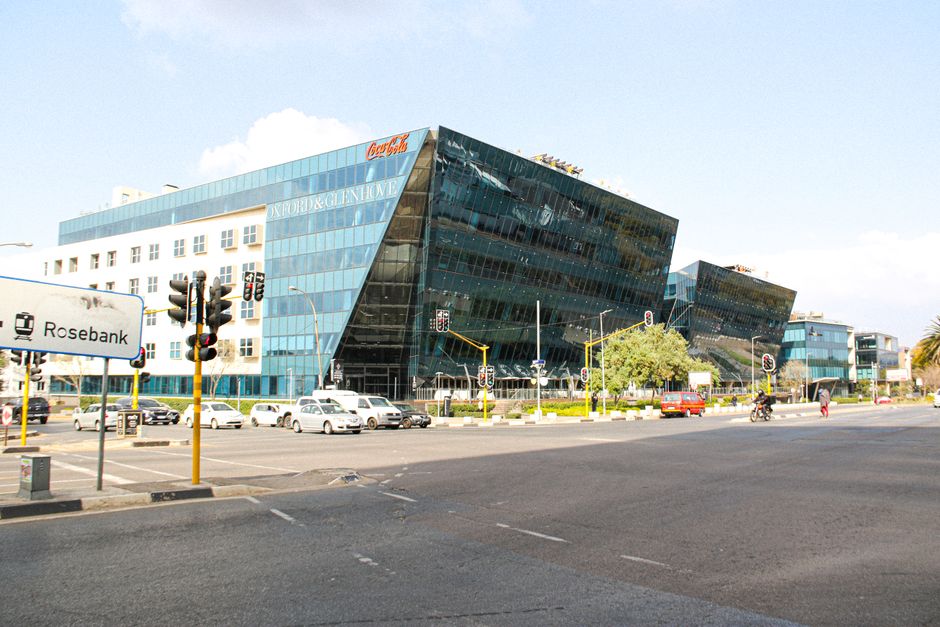
For businesses in Johannesburg's Rosebank and Midrand precincts, understanding these flows isn't academic—it determines access to credit, expansion possibilities, and competitive positioning. The companies succeeding today are those mapping these signals continuously, not quarterly. The global economy is written in numbers, and South Africa's capacity to read them correctly will determine whether Johannesburg remains Africa's financial heartbeat.
This article was compiled by AI from the sources linked above and screened before publishing. See our editorial standards.