Global Instability Reshapes Johannesburg's Food and Hospitality Landscape
Currency volatility, supply chain disruptions and shifting consumer confidence are forcing local restaurateurs and retailers to rethink pricing, sourcing and strategy.
Currency volatility, supply chain disruptions and shifting consumer confidence are forcing local restaurateurs and retailers to rethink pricing, sourcing and strategy.
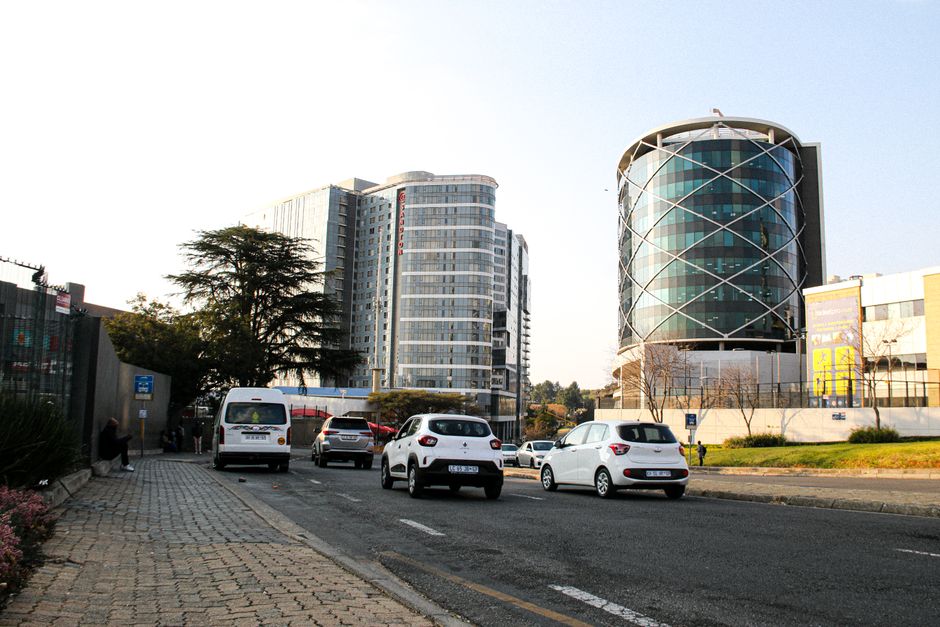
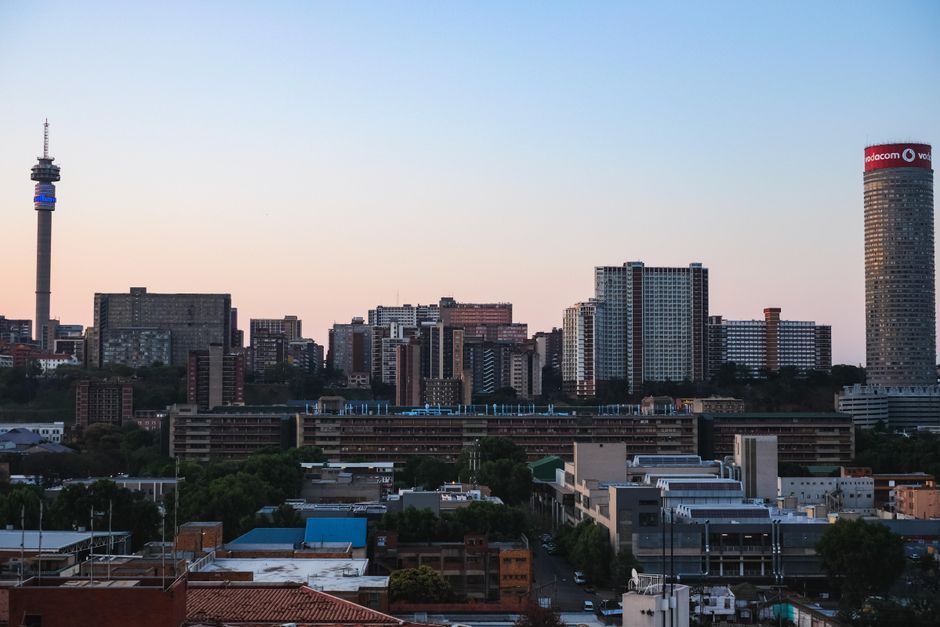
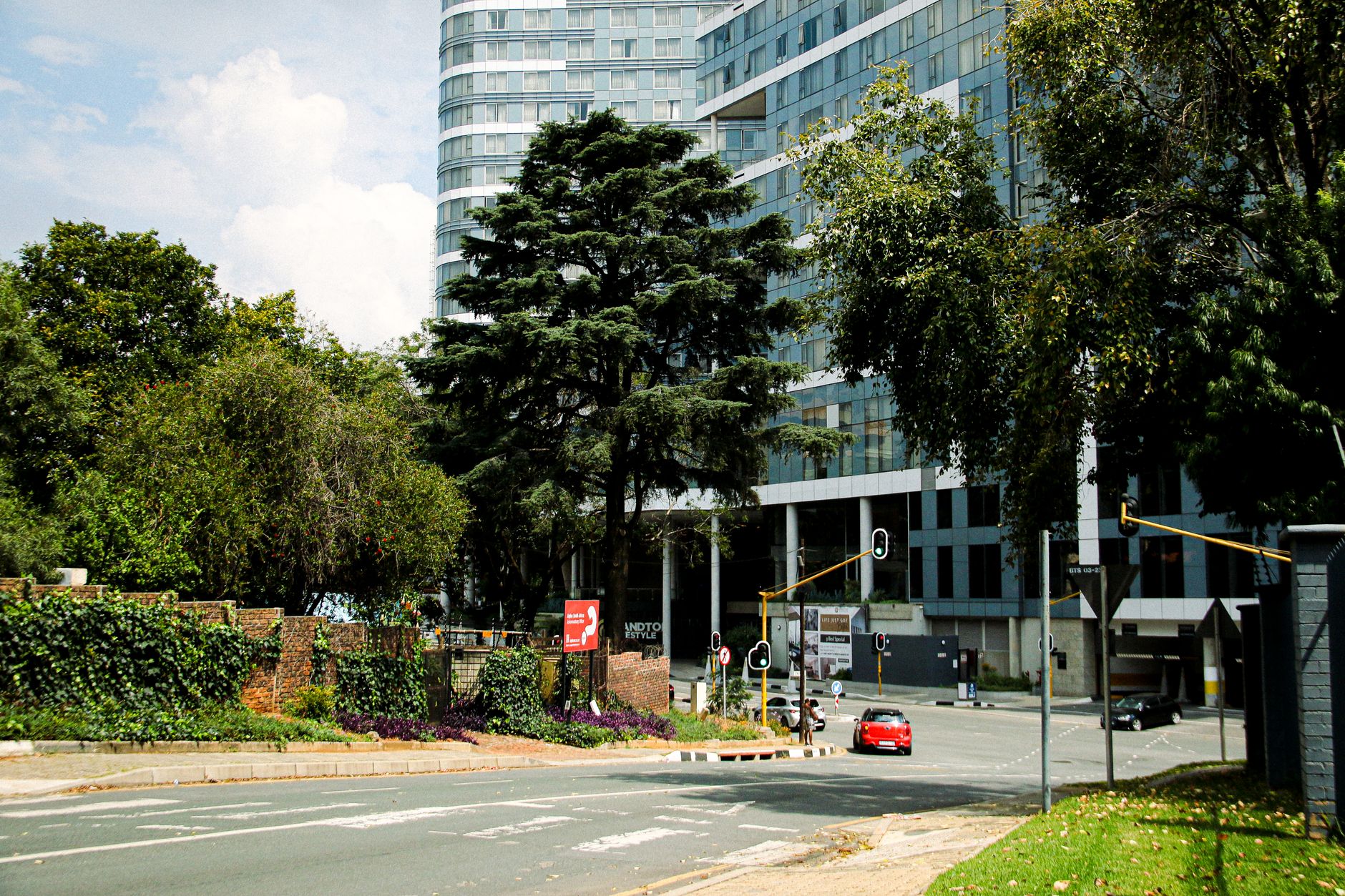
Johannesburg's vibrant hospitality sector is grappling with ripple effects from global turbulence that extends far beyond the city's borders. From Sandton's fine dining establishments to Braamfontein's craft breweries and the retail corridors of Rosebank, business owners are navigating an increasingly complex maze of international pressures that directly threaten margins and consumer spending patterns.
The recent geopolitical escalations in the Middle East and Central Asia have sent commodity prices spiralling. Vegetable oil, wheat and protein costs have surged, forcing venues like those clustered along 4th Avenue in Parkhurst to absorb costs or pass them to customers already stretched by local economic headwinds. Restaurant owners report ingredient costs rising by 8-12% since March—a period that coincided with fresh trade tensions and currency instability affecting import-dependent suppliers.
Currency volatility compounds the challenge. The rand's weakness against the dollar and euro makes imported wines, spirits and specialty ingredients significantly more expensive. High-end establishments in Sandton that rely on European and American products have quietly adjusted their wine lists and cocktail menus, with some cutting premium imported options entirely. Meanwhile, craft beverage producers operating in Braamfontein and Maboneng are shifting toward locally-sourced inputs where possible, though availability remains inconsistent.
Supply chain disruptions—exacerbated by the Pakistan-Afghanistan violence and ongoing refugee crises in Venezuela—have delayed shipments of packaging materials and food equipment. Retailers in Johannesburg's CBD and suburban shopping centres report delayed stock arrivals that have forced shelf adjustments and inventory challenges heading into the winter season.
Yet there are bright spots. The uptick in Cape Verde's global profile through their World Cup campaign has sparked unexpected interest in African cuisines across Johannesburg's dining scene. Several Sandton and Braamfontein venues have begun featuring more diverse African ingredients and concepts, tapping into a newfound consumer curiosity that may offer competitive advantage.
Consumer confidence remains fragile. Hospitality venues report that middle-income diners—traditionally Johannesburg's reliable customer base—are dining out less frequently and spending more cautiously. Discretionary spending on entertainment and premium dining has softened by an estimated 15-20% compared to the same period last year, according to local hospitality analysts.
For Johannesburg's 18,000+ food and hospitality businesses, adaptation is no longer optional. Those investing in local supply chains, strategic menu redesign and value-conscious offerings are outperforming competitors wedded to pre-2026 business models. The global stage, it seems, now determines what South African diners eat and how much they pay for it.
This article was compiled by AI from the sources linked above and screened before publishing. See our editorial standards.
How does this story make you feel?
Spread the word
About this article
Published by The Daily Johannesburg
Daily brief
Free, in your inbox before 7am. Weekdays.
More in Business