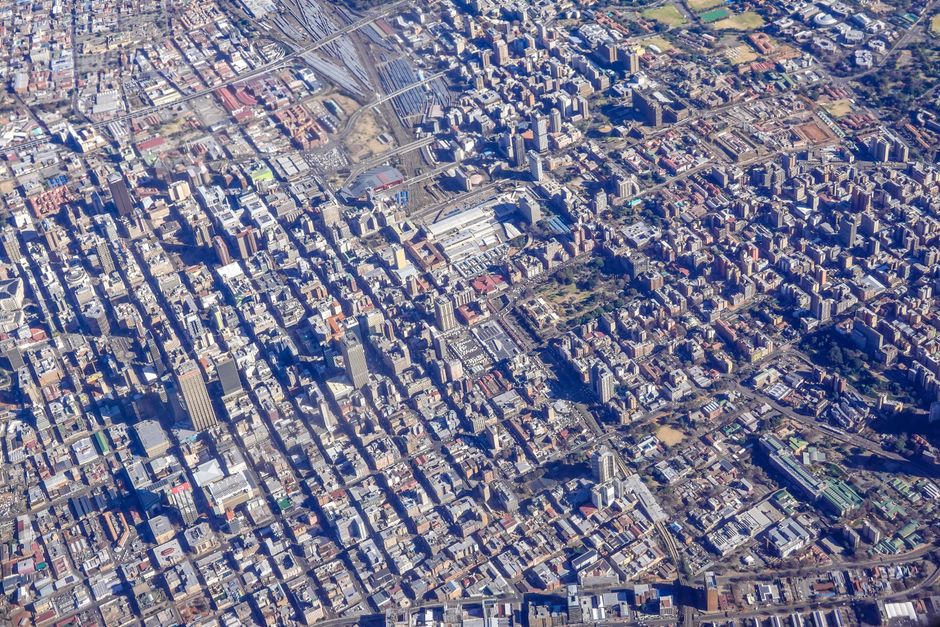
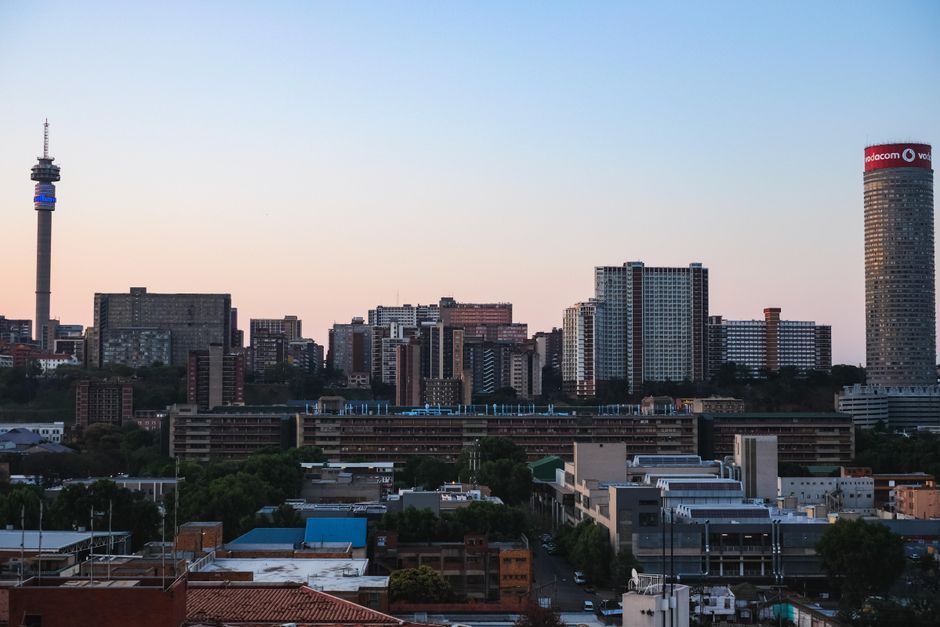
Walk through the Sandton business district on any given morning and you'll see confidence—gleaming towers, busy coffee shops, deal-makers heading to appointments. But step back and ask what the numbers actually reveal about Johannesburg's investment health, and the picture becomes considerably more complex.
Economic indicators are essentially the pulse of a city's financial wellbeing, and Joburg's readings have been decidedly mixed this year. The Johannesburg Stock Exchange has seen modest gains in banking and resources stocks, while foreign direct investment into South Africa remains fragile. Year-to-date, capital inflows have been concentrated in specific sectors: renewable energy projects in the northern suburbs, technology ventures clustering around the Innovation Hub in Braamfontein, and selective real estate in prime areas like Hyde Park and Morningside.
Meanwhile, the cost of living in Johannesburg continues its upward trajectory that directly impacts ordinary residents. Grocery prices at Woolworths and Checkers have risen between 4.2% and 6.8% depending on product categories. Petrol prices hover around R19.50 per litre, affecting taxi operators and commuters reliant on public transport. Rental in central business areas like Sandton's corporate nodes commands premiums, while middle-income suburbs like Randburg and Midrand face affordability pressures that mirror national trends.
What's particularly revealing is where money is actually flowing. Commercial property investment has shifted toward mixed-use developments—combining office, retail, and residential—rather than pure office space. The Rosebank precinct, once dominated by corporate headquarters, has seen significant repositioning. Meanwhile, neighborhoods like Maboneng and Braamfontein continue attracting younger investors seeking alternative asset classes and emerging market opportunities.
For those reading investment signals, three indicators matter most: the rand's exchange rate against major currencies (which affects export-oriented businesses), unemployment data (currently stubbornly high), and consumer confidence indices. When foreign investors evaluate Johannesburg, they're weighing currency stability, regulatory clarity, and sectoral growth potential simultaneously.
The practical takeaway? Johannesburg remains an investment destination, but with increasingly segmented opportunities. Growth sectors—particularly green energy and fintech—show genuine promise. Traditional retail and office space face headwinds. For residents watching their wallets, the cost-of-living reality reflects broader economic constraints that won't shift overnight.
Understanding these flows and indicators isn't merely academic. It shapes everything from employment prospects to property values to the viability of local businesses across the city's diverse economic landscape.
This article was compiled by AI from the sources linked above and screened before publishing. See our editorial standards.