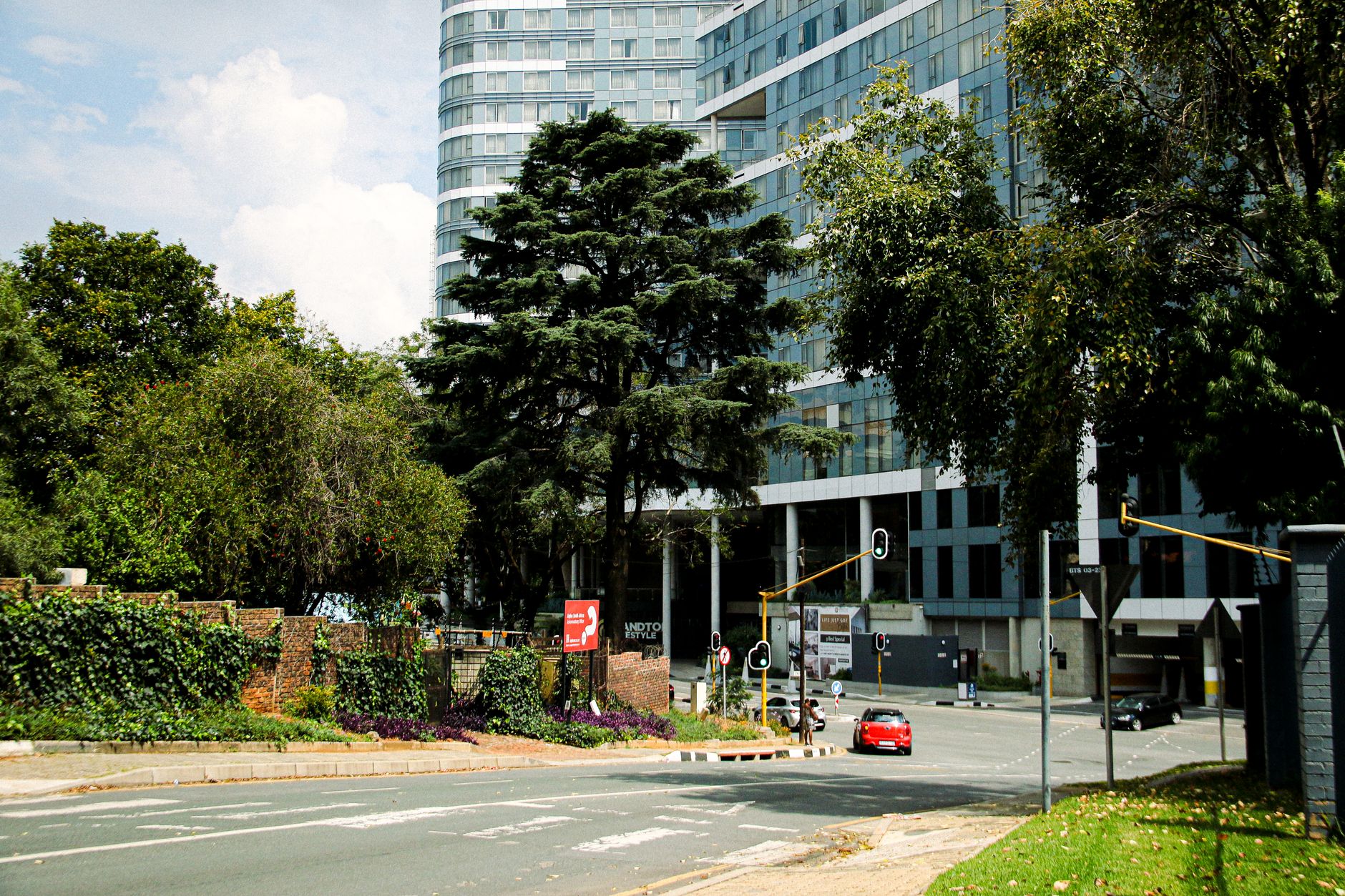
The venture capital landscape that Johannesburg's startups depend on is shifting beneath their feet. With U.S.-Iran tensions escalating and emerging markets experiencing fresh rounds of capital flight, the money flowing into innovation hubs like those clustered around the Ridgeworth estate and along Grayston Drive in Sandton has become considerably more cautious.
"We're seeing a measurable pullback in late-stage funding from international investors," says Thabo Modise, who runs the Jozi Innovators network from their offices near the Johannesburg Stock Exchange. "Three months ago, venture firms were aggressive. Now they're holding cash, waiting to see how global trade tensions play out."
The numbers tell the story. Early-stage tech funding in South Africa during Q2 2026 dropped 23% quarter-over-quarter, according to venture analytics firm TechCrunch Disrupt's regional breakdown. For founders with Series A ambitions—the critical stage that can make or break a startup—the window is narrowing. Meanwhile, the rand's weakness against the dollar has made importing hardware and software licences substantially more expensive. A startup that budgeted R2.4 million for cloud infrastructure annually is now looking at closer to R2.8 million.
Yet the crisis is creating unexpected opportunity. Several Johannesburg-based fintech and logistics companies report growing interest from clients across East Africa and the Middle East seeking alternatives to Western-dominated platforms. The geopolitical fragmentation affecting global trade has made regional players more valuable.
At the Bandwidth Barn co-working space in Braamfontein, founder conversations have shifted noticeably. Less talk of Silicon Valley expansion; more focus on building sustainable operations that don't depend on volatile external funding rounds. "The narrative around 'venture-backed hypergrowth' is being replaced by 'profitable unit economics,' " notes digital strategist Lindiwe Khumalo, who mentors emerging founders at the space.
The Council for Scientific and Industrial Research (CSIR) has responded by expanding its Innovation Hub programming, specifically targeting founders who can navigate uncertain global conditions. Their latest cohort of 40 startups—drawn from across Gauteng—includes several with explicit focus on African-market solutions rather than global plays.
For Johannesburg's entrepreneurs, the lesson is sobering but clear: the era of easy international capital is pausing. Success now depends on building businesses that work first in their own backyard, with global expansion as an optional prize rather than a mandatory feature. The city's innovation ecosystem, long dependent on offshore investment cycles, is being forced to grow up.
This article was compiled by AI from the sources linked above and screened before publishing. See our editorial standards.