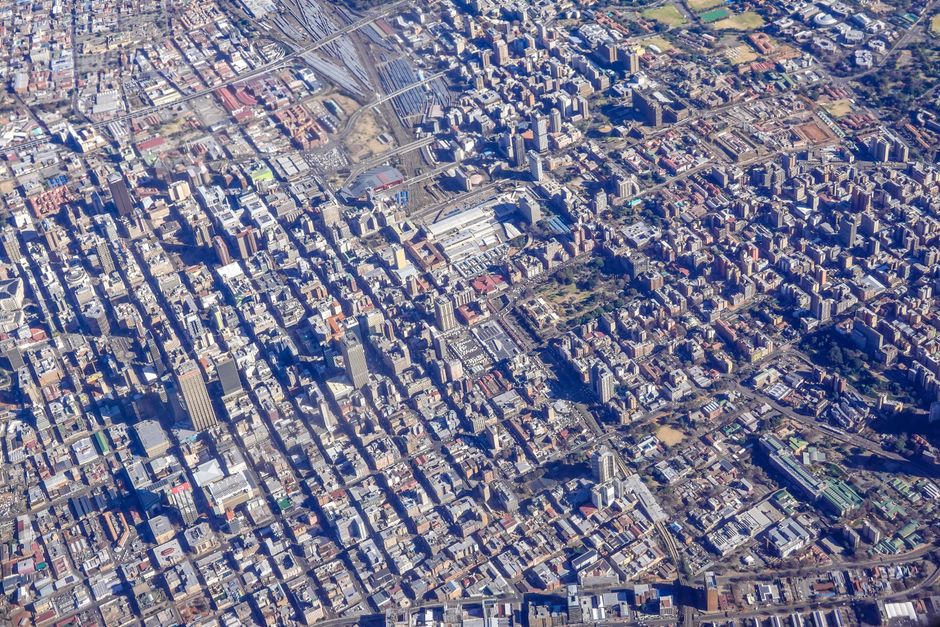
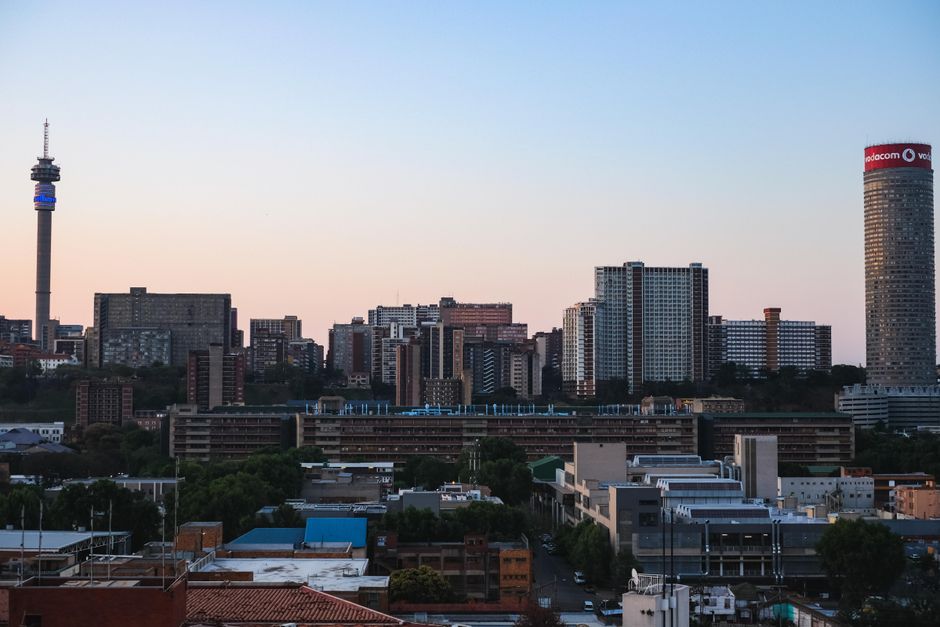
Johannesburg's commercial property market is grappling with a perfect storm of headwinds in 2026, as office vacancy rates climb, multinational tenants reconsider their footprint, and the economics of traditional CBD real estate grow increasingly strained.
The numbers tell a sobering story. Vacancy rates in Johannesburg's primary office nodes—the Sandton CBD, Midrand, and the broader Gauteng region—have edged toward levels not seen in over a decade. Properties along Rivonia Road and in the Illovo area, once considered blue-chip investments, now sit partially empty as companies embrace hybrid working arrangements that require fewer desks per employee.
"The structural shift is real," explains the Commercial Property Development Association, noting that companies are consolidating space at an average rate of 15-20% annually. Lease rollovers that once commanded premium rates are now negotiated with significant concessions. A Grade A office tower in the Sandton CBD that commanded R250 per square metre five years ago now struggles to achieve R185 in renewals.
Adding pressure is the exodus of anchor tenants. International professional services firms and financial institutions—historically the backbone of Johannesburg's office demand—are reassessing their South African operations amid global economic turbulence and the rapid adoption of distributed workforces. Several multinational banks have already consolidated operations, freeing up substantial amounts of prime real estate on Main Street and around the Sandton business park corridor.
The situation is compounded by operational costs. Load-shedding remains a persistent challenge, forcing property owners to invest heavily in backup power infrastructure—a capital burden that ultimately pressures margins and gets passed to tenants through escalations. Water scarcity in Johannesburg and the surrounding province has also increased operating expenses, making older buildings increasingly uneconomical to maintain.
Then there's the geographic fragmentation. While traditional CBD locations suffer, suburban office nodes—particularly around the Waterfall and Sunninghill areas—have captured new demand from companies seeking lower costs and proximity to residential clusters. This spatial reshuffling has left swaths of older stock in locations like Braamfontein and parts of the inner city severely underutilized.
Investors and developers are pivoting toward adaptive reuse: converting underperforming offices into residential units, mixed-use developments, and hospitality spaces. Several stalled projects in the Maboneng Precinct and Newtown are being reimagined along these lines, signalling that traditional office ownership may no longer be the engine of commercial property returns it once was.
For now, Johannesburg's office market faces an extended period of adjustment, with recovery dependent on tenant sentiment stabilizing and the broader economy gaining traction—neither a certainty in the year ahead.
This article was compiled by AI from the sources linked above and screened before publishing. See our editorial standards.