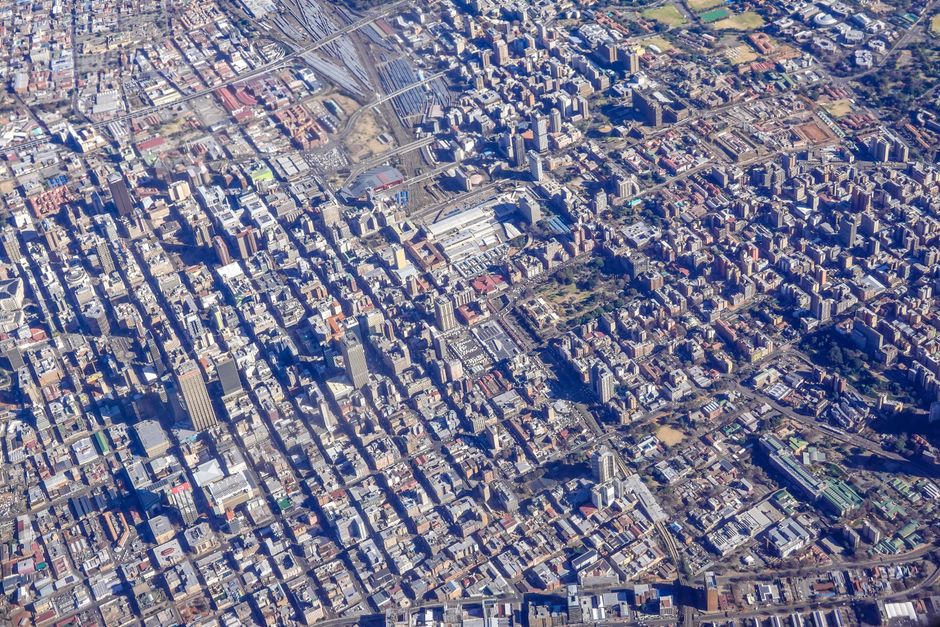
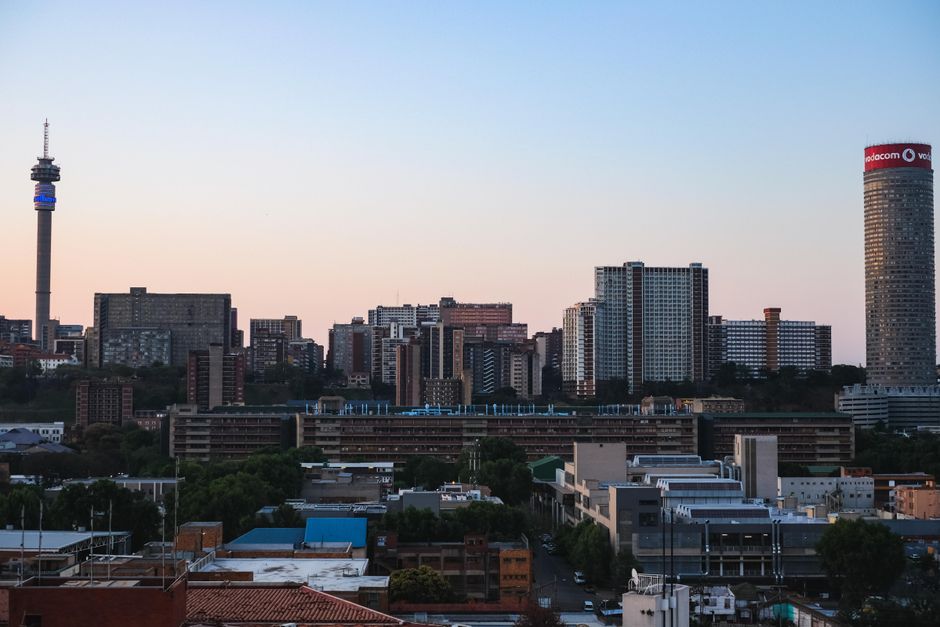
The tremors rippling through international markets are landing squarely on Johannesburg's commercial property sector, where global uncertainty is forcing a fundamental reassessment of office space strategy among multinational corporations.
For years, Sandton's gleaming towers—particularly along Rivonia Road and around the Johannesburg Stock Exchange precinct—have served as reliable anchors for Fortune 500 companies establishing African headquarters. But mid-2026 tells a different story. Escalating geopolitical tensions, particularly around Middle East peace negotiations and ongoing regional instability, are prompting firms to consolidate operations and defer expansion plans that would have been greenlit just eighteen months ago.
"We're seeing multinational tenants reassess their African footprint," explains one prominent Johannesburg commercial property advisor, speaking on condition of anonymity. "Companies are asking hard questions about whether they need premium office space in Sandton when remote work and regional hubs are viable alternatives." Current A-grade office rates in Sandton hover around R250 to R290 per square metre annually—among the continent's highest—making such decisions increasingly weighted towards cost efficiency.
The impact extends beyond downtown towers. Mid-tier office parks in Bryanston, Midrand, and along the Grayston Drive corridor are experiencing longer vacancy periods. Several developments that might have achieved 85-90% occupancy in 2024 are now stabilising closer to 75-80%, forcing landlords to offer concessions and flexible lease terms previously unthinkable in Johannesburg's premium markets.
Currency volatility adds another layer. The rand's fluctuations against major currencies—driven by global trade tensions and capital flight concerns—make long-term commercial commitments riskier for foreign investors calculating returns in dollars or euros. This has particularly affected technology and financial services sectors, traditionally heavy office space consumers in the Johannesburg CBD and Midrand.
Local property developers aren't passive observers. Several are pivoting towards mixed-use developments and flexible workspace solutions rather than traditional long-lease office blocks. The shift reflects a pragmatic response: if multinational demand is cooling, adaptability becomes survival.
For Johannesburg's broader economy, the implications are significant. Commercial property investment typically anchors broader economic confidence. Slower office absorption can signal—and potentially trigger—broader retrenchment in support services, hospitality, and retail.
The question now is whether this represents a temporary pause or structural change. Much depends on how global tensions evolve over the coming quarters. For now, Johannesburg's office market is learning an old lesson anew: what happens in Qatar or the Strait of Hormuz doesn't stay overseas.
This article was compiled by AI from the sources linked above and screened before publishing. See our editorial standards.