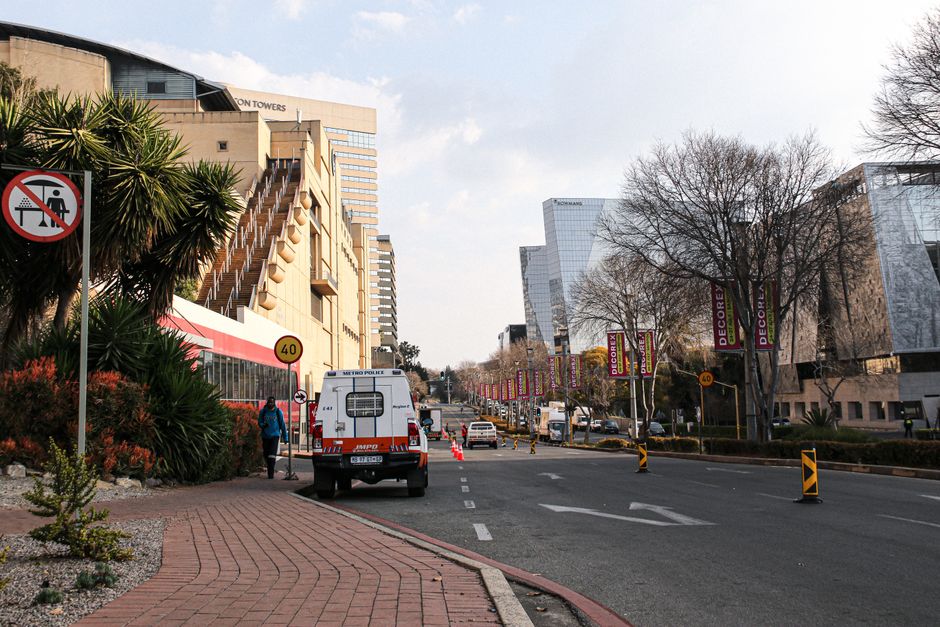
In gleaming office parks across Sandton and the Johannesburg CBD, venture-backed startups and established firms are racing to deploy artificial intelligence systems. The promise is seductive: automated customer service, predictive analytics, streamlined operations. Yet beneath the optimism, a more complex story is unfolding in Africa's economic powerhouse.
Johannesburg's tech ecosystem—concentrated in innovation hubs from Braamfontein to the emerging digital corridors around the Johannesburg Stock Exchange—is adopting AI at a pace that outstrips local regulatory frameworks. Small business owners in areas like Rosebank and Midrand report productivity gains, but also anxiety. A recent industry survey suggested that roughly 15,000 administrative and customer-service roles across the greater Johannesburg area could be substantially automated within 24 months.
"The conversation isn't just about efficiency," says the tech community here. "It's about displacement without a safety net." South Africa's unemployment rate hovers above 32%, and Johannesburg's working-age population—many still recovering from pandemic disruptions—faces uncertainty as companies trial AI-driven hiring systems and content moderation tools.
Beyond jobs, ethical concerns are surfacing. AI systems trained on global datasets often reflect biases that disadvantage South African users and workers. Language models struggle with local languages; facial-recognition systems deployed by retailers in areas like Fourways have documented higher error rates for darker skin tones. When a system misclassifies a customer or flags a job applicant unfairly, accountability is murky.
Regulatory bodies are playing catch-up. The City of Johannesburg and provincial authorities have limited frameworks for auditing algorithmic decision-making in hiring, lending, or service delivery—critical issues in a city where access to credit and employment remain deeply unequal.
Some local organisations are pushing back. Civil society groups and academic institutions are beginning to demand transparency reports and impact assessments before new AI systems go live. A handful of progressive firms in the tech sector have started publishing ethical guidelines, though enforcement remains patchy.
The reality for Johannesburg is neither technophobic rejection nor uncritical embrace. The city's competitive advantage depends on attracting tech talent and investment. Yet that same advantage is hollow if innovation deepens inequality or leaves workers and vulnerable communities stranded. As 2026 unfolds, the question facing Johannesburg's business leaders isn't whether to adopt AI—it's how to do so responsibly, equitably, and with genuine local accountability.
This article was compiled by AI and screened before publishing. See our editorial standards.