Why Johannesburg's Tech Ecosystem Is Punching Above Its Weight on the Global Stage
From Sandton's fibre corridors to Soweto's digital hubs, the city's smart infrastructure push is rewriting what e-government can look like in the Global South.
From Sandton's fibre corridors to Soweto's digital hubs, the city's smart infrastructure push is rewriting what e-government can look like in the Global South.

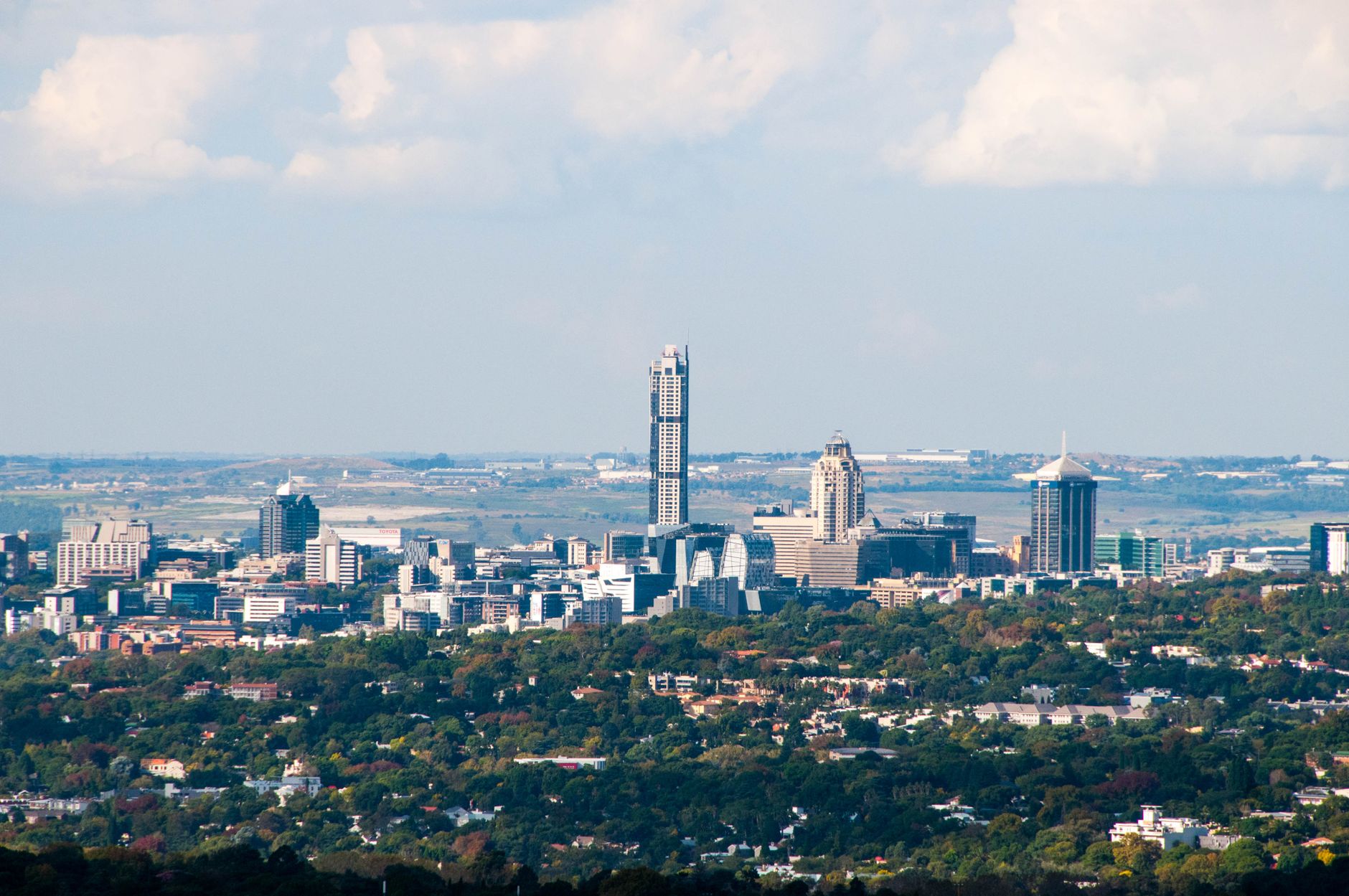
Johannesburg has quietly crossed a threshold. The City of Johannesburg Metropolitan Municipality confirmed this week that more than 60 percent of resident-facing government services are now accessible through the Joburg Connect digital portal — a figure that puts the city ahead of several European capitals still running paper-heavy licensing and rates departments. The milestone, reached ahead of the municipality's own Q3 2026 target, marks a concrete shift in how South Africa's economic hub is presenting itself to the world.
The timing matters. Global cities are scrambling to retrofit analogue bureaucracies after years of pandemic-era pressure exposed how brittle legacy systems really are. Johannesburg started its e-government overhaul in earnest in 2022 with the rollout of the Smart City Master Plan, a R4.2 billion framework covering digital infrastructure, open data, and citizen-facing platforms. Four years in, the results are measurable enough to attract attention from municipal delegations in Lagos, Nairobi, and Bogotá, all of which sent observers to the Joburg Smart City Summit held at the Sandton Convention Centre in May.
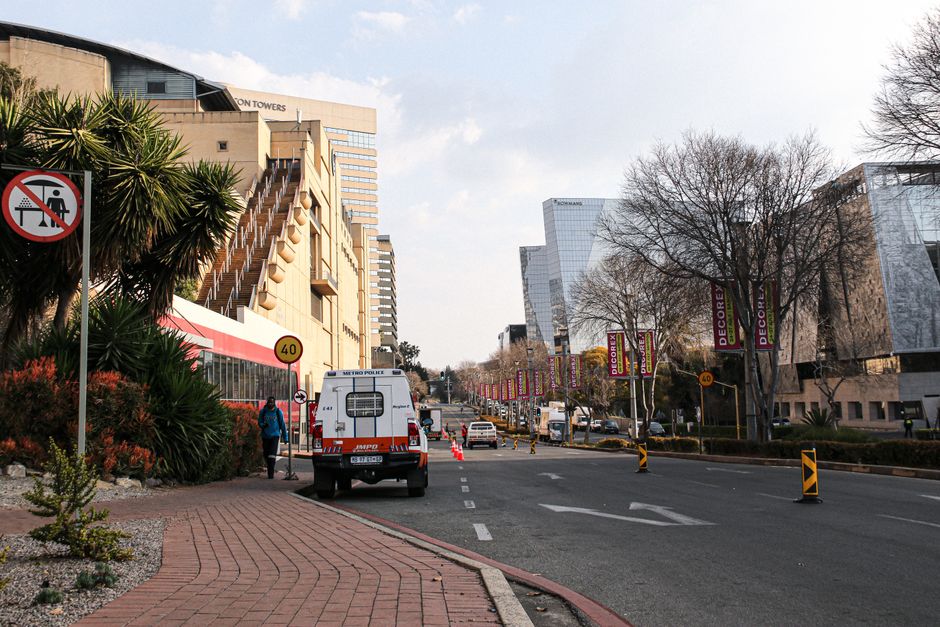
The foundation is fibre. By June 2026, Vumatel and Openserve had collectively laid over 12,000 kilometres of fibre across the Greater Johannesburg area, with Sandton's central business district and the Rosebank node reaching near-total commercial coverage. That density of connectivity is what allows the municipality's Internet of Things sensor grid — more than 8,000 nodes monitoring traffic flow, waste collection, and electricity load across suburbs from Alexandra to Roodepoort — to function at the latency speeds smart-city platforms require.
The Johannesburg Development Agency has been anchoring much of the physical buildout in areas that private operators historically skipped. In Soweto, the JDA partnered with the CSIR — the Council for Scientific and Industrial Research, headquartered in Pretoria but operating community labs in Diepkloof — to deploy 14 public digital access points along Vilakazi Street and the surrounding Orlando precinct. Monthly data costs at those terminals run at R49 per gigabyte for residents registered under the City's indigent support programme, substantially below the open-market rate.
Equally significant is what is happening in Wynberg and the industrial belt stretching toward Germiston. The Ekurhuleni-Joburg tech corridor, a stretch of fibre-linked commercial zones that crosses municipal boundaries, has started attracting data centre investment that would previously have gone straight to Cape Town's Teraco-dominated market. Africa Data Centres opened a 10MW facility in Elandsfontein in March 2026, citing land costs roughly 40 percent lower than comparable plots in the Cape Peninsula and direct access to Eskom's Megaflex industrial tariff structure.
Three things distinguish Johannesburg from other African tech cities, and increasingly from cities in the broader emerging world. First, scale: with roughly 6 million residents in the metro and another 5 million in the wider Gauteng city-region, any digital service that works here works at a population size few other African cities can test against. Second, the presence of JSE-listed corporates — from Standard Bank's Simmonds Street headquarters to Discovery's Sandton campus — means enterprise-grade demand constantly pressures local infrastructure to keep pace. Third, the city runs a genuine open-data pipeline through the Joburg Open Data Portal, which as of July 2026 holds 340 active datasets available to third-party developers under a Creative Commons licence.
That open-data posture has seeded a small but growing layer of civic-tech startups operating out of spaces like Workshop17 in Rosebank and the Tshimologong Digital Innovation Precinct on Jorissen Street in Braamfontein. These are not vanity incubators. Several have active municipal contracts — including one firm that built the pothole-reporting module inside the Joburg Connect app, which logged 230,000 submissions in its first six months.
For residents and businesses, the practical upshot is straightforward: rates clearance certificates, business licence renewals, and traffic fine disputes can now be resolved without visiting a walk-in centre. The municipality is targeting 75 percent digital service completion by December 2026. Whether that deadline holds will depend on whether the city's cybersecurity budget — currently R180 million for the 2026/27 financial year — proves sufficient as the attack surface expands alongside the platform's reach.
How does this story make you feel?
Spread the word
About this article
Published by The Daily Johannesburg
Daily brief
Free, in your inbox before 7am. Weekdays.
More in tech