AI on Your Doorstep: How Joburg's Tech Boom Is Rewiring Daily Life
From Soweto spaza shops using inventory software to Sandton executives scrambling for AI talent, the city's digital transformation is no longer a boardroom abstraction.
From Soweto spaza shops using inventory software to Sandton executives scrambling for AI talent, the city's digital transformation is no longer a boardroom abstraction.
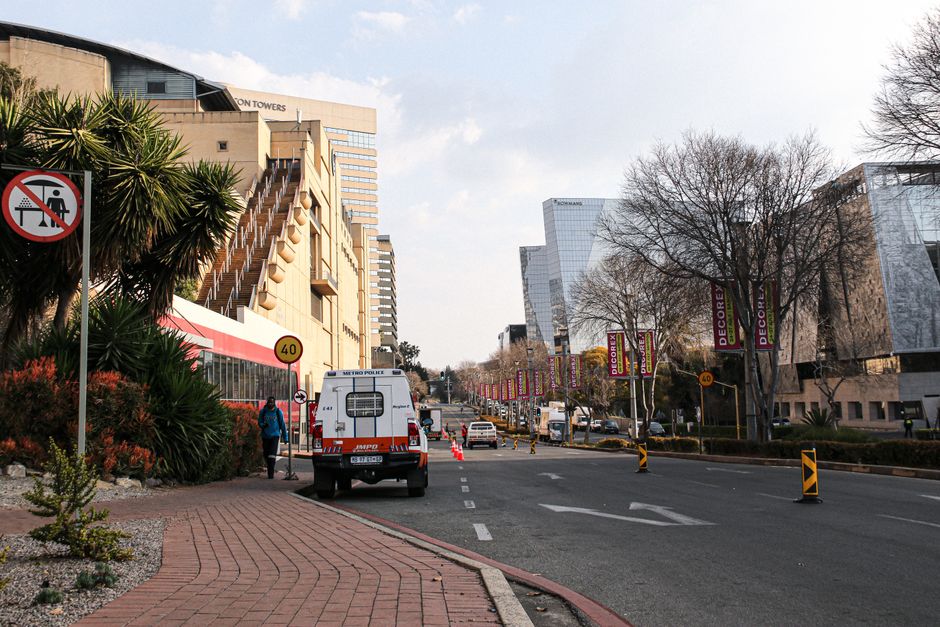
More than 340,000 technology-related job listings were posted across South Africa's major recruitment platforms in the first half of 2026, and Johannesburg accounts for nearly 60 percent of them. The numbers are striking, but the real story is what's happening on the ground — in the taxi ranks, the supermarket queues, and the small businesses of a city that is quietly being restructured by software.
The timing matters. Global supply chains for semiconductors stabilised in late 2025, making cloud infrastructure cheaper and more accessible for smaller African markets. Simultaneously, load-shedding — which cost Gauteng's economy an estimated R28 billion in 2024 — has eased substantially following Eskom's Stage 0 run since February 2026. Businesses that spent three years in survival mode are now investing in digital tools they had repeatedly delayed. The result is a sudden, compressed demand for people who know how to build and manage those tools.
The Sandton CBD remains the epicentre. Companies clustered along Rivonia Road and around Nelson Mandela Square are posting roles in machine learning, cloud architecture and data engineering at salaries ranging from R45,000 to R120,000 a month for mid-to-senior experience. But the demand has spread well beyond the glass towers. In Braamfontein, the WeThinkCode campus on De Beer Street has expanded its no-fee coding programme to 1,200 active students this year — up from 800 in 2024 — and its graduates are being absorbed within weeks of completing the 18-month curriculum. Hyperion Development, which runs intensive bootcamps from its Rosebank offices, reports a 40 percent increase in enrolments since January, driven largely by retrenched workers from the banking and retail sectors looking to pivot.
The City of Johannesburg's own digital literacy initiative, JoziConnect, launched through the Johannesburg Development Agency in March 2026, is targeting 50,000 residents in townships including Alexandra, Diepsloot and Soweto by year-end. The programme is free, runs in community libraries and covers everything from smartphone-based accounting tools to basic cybersecurity. Facilitators say demand for the cybersecurity modules has tripled since a widely reported phishing attack hit several Soweto informal traders' WhatsApp payment groups in April, draining accounts that relied on FNB's eWallet system.
None of this is abstract if you live here. At the Bara taxi rank in Soweto, a third-party app called RankTrack now displays estimated waiting times and occupancy for major routes — something commuters say has reduced average waiting guesswork by roughly 20 minutes on the Joburg-to-Pretoria run. Pick n Pay's Cresta Mall branch on Beyers Naudé Drive rolled out fully automated self-checkout corridors in April, cutting front-end cashier roles by 14 positions at that store alone while simultaneously adding two new IT support contracts. The trade-off is visible and contested.
Small business owners in Melville and along Main Reef Road have started using AI-powered point-of-sale systems that auto-generate stock orders, tax invoices and weekly cash flow summaries. Software subscriptions run between R299 and R899 a month — affordable for established shops, still a stretch for survivalist traders. Those who cannot afford them increasingly rely on WhatsApp-integrated tools built by local startups, some operating out of the Tshimologong Precinct on Braamfontein's Jorissen Street, which has become a genuine incubator for practical, low-cost solutions tailored to the informal economy.
For residents wanting to get ahead of the curve, the most direct path remains the free or low-cost options. WeThinkCode applications for the February 2027 cohort open in September. Microsoft's Skills for Jobs programme has a Johannesburg node running evening sessions at the MTN head office in Fairland. And the JoziConnect libraries — 23 branches across the metro are currently participating — offer walk-in sessions every Tuesday and Thursday morning. The city's digital transformation has a skills gap at its centre, and for now, that gap is open to anyone willing to walk through the door.
How does this story make you feel?
Spread the word
About this article
Published by The Daily Johannesburg
Daily brief
Free, in your inbox before 7am. Weekdays.
More in tech