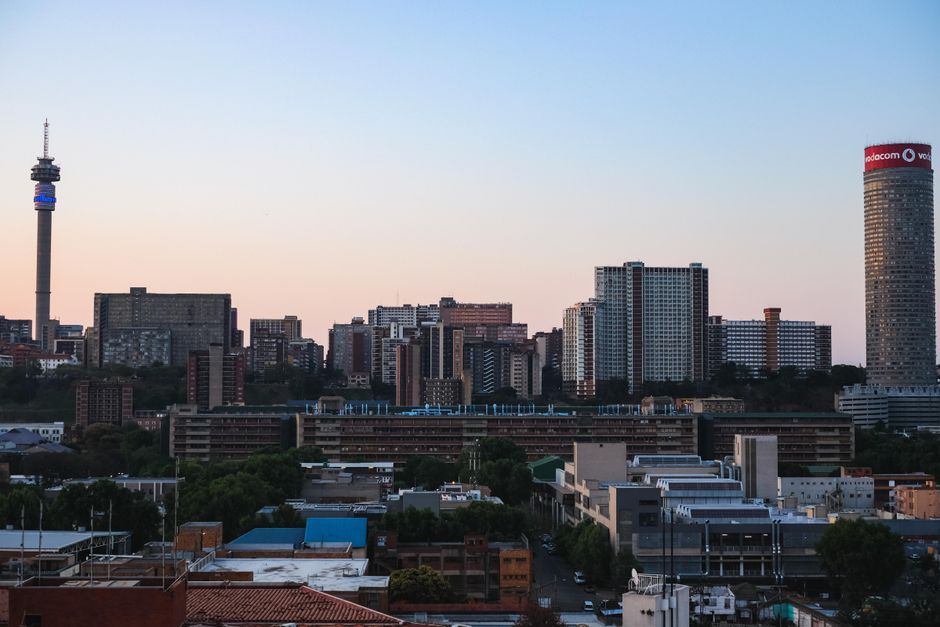
Johannesburg's coworking landscape has exploded into a multibillion-rand opportunity, with investors betting heavily that the future of work in Africa's most advanced economy lies in flexible, technology-enabled spaces rather than traditional office leases.
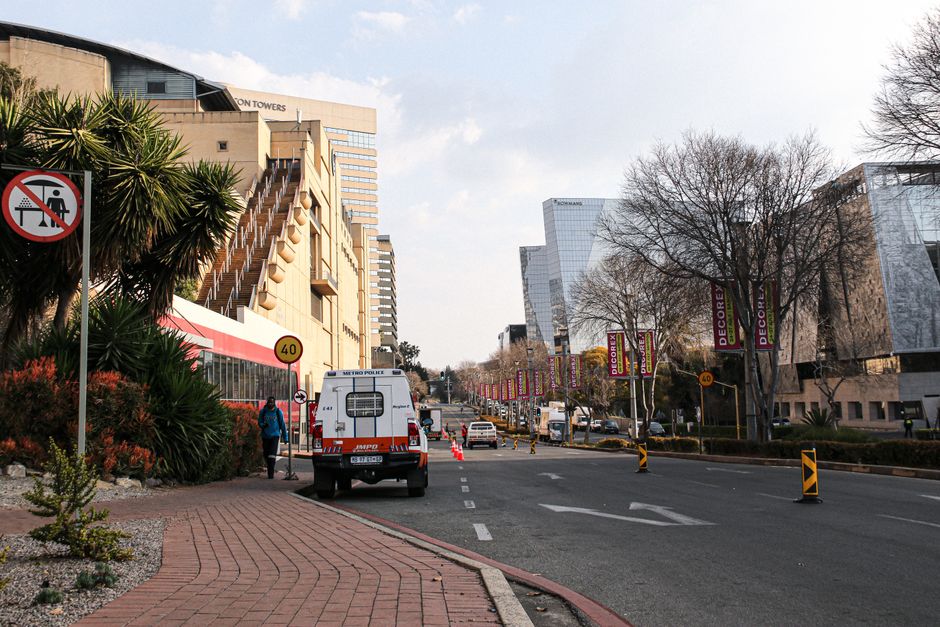
The shift is visible across the city's prime business nodes. In Sandton, where corporate real estate historically commanded premium rates, operators are converting heritage office buildings into modular coworking environments. Braamfontein, once dominated by student accommodation and creative studios, has emerged as the epicentre of this transformation, with at least seven major coworking facilities now operating within a two-kilometre radius of the Wits University precinct. Meanwhile, the Rosebank corridor—traditionally corporate-focused—is seeing venture-backed players establish hybrid models combining private offices with shared amenities.
Local and international investors have poured significant capital into the sector. Major funding rounds for African coworking operators have exceeded R2 billion in the past 18 months alone, with Johannesburg capturing the lion's share of deals. These investments reflect broader confidence in South Africa's remote-work adoption, particularly among tech startups, fintech companies, and multinational service providers seeking flexible alternatives to long-term office commitments.
The economics driving this boom are compelling. Traditional corporate office space in Johannesburg's premium zones averages R250 to R400 per square metre annually. Coworking operators offer hot-desking from R3,500 to R6,000 monthly, with dedicated desk spaces at R7,000 to R12,000—undercutting conventional leases while providing superior flexibility and amenities. This cost arbitrage has attracted enterprise clients: major financial services firms and tech companies now use coworking spaces for satellite teams, client meetings, and project-based work.
The pandemic accelerated normalisation of remote work across South African businesses, but the real catalyst for investment has been infrastructure maturity. Reliable high-speed internet, backup power systems, and security protocols—once luxuries—are now standard expectations. Johannesburg's tech talent pool, concentrated among young professionals in northern suburbs and inner-city regeneration zones, has become increasingly mobile and location-flexible.
Industry observers note that growth isn't simply about space provision. Winning coworking operators are positioning themselves as innovation hubs, offering venture capital connections, networking events, and business services. This value-add justifies premium positioning and attracts institutional investment seeking long-term revenue streams rather than quick exits.
As remote work becomes entrenched and multinational companies recalibrate their real estate strategies, Johannesburg's coworking sector appears poised for sustained expansion—backed by capital flows that signal investor confidence in the city's post-pandemic work future.
This article was compiled by AI and screened before publishing. See our editorial standards.