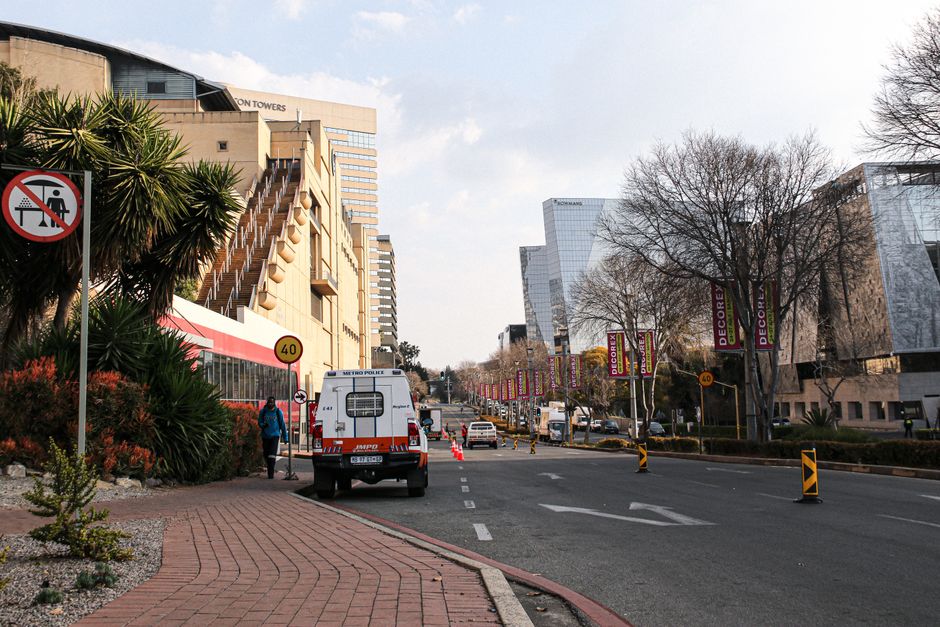
Johannesburg's transformation into a fully digital metropolis is attracting unprecedented investment, with venture capitalists and government bodies committing an estimated R2.8 billion into smart city infrastructure over the past 18 months. The funding wave reflects growing confidence that Africa's most economically significant city can leverage technology to tackle decades-old infrastructure challenges while positioning itself as a continental tech hub.
The shift gained momentum when the City of Johannesburg launched its Smart City Framework in late 2024, triggering interest from local and international investors. Mixed-use developments in Sandton and the Gauteng Innovation District are now incorporating IoT sensors, AI-powered traffic management systems, and blockchain-based municipal payment solutions-a marked departure from the city's fragmented approach to governance technology just five years ago.
"We're seeing real capital flow into tangible projects," according to industry observers tracking the sector. Urban mobility platforms targeting the Johannesburg-Pretoria corridor have attracted R450 million in combined seed and Series A funding. Meanwhile, water management startups focused on Soweto's infrastructure challenges-where illegal connections and leakage losses exceed 40 percent-have secured backing from development finance institutions and impact investors seeking both returns and social outcomes.
The investment landscape extends beyond traditional venture firms. The Development Bank of Southern Africa has allocated R800 million to digital infrastructure projects, while the City itself has budgeted R340 million for smart traffic lights, CCTV integration, and real-time crime centre upgrades across high-priority precincts from Hillbrow to Orange Farm. Private sector players like fibre-optic networks expanding through Johannesburg's CBD and outlying townships are pivoting toward municipal contracts, sensing both revenue opportunity and social impact.
However, scaling remains the central challenge. Successful pilots in Alexandra and Diepsloot must translate into citywide deployment across Johannesburg's 1,645 square kilometres. Integration between the City's legacy systems and new digital platforms demands technical sophistication and sustained funding discipline that has historically eluded local government.
Yet the momentum is undeniable. Software engineers from Cape Town and Lagos are relocating to Johannesburg's emerging tech corridors. International consultancies now maintain dedicated smart city practices serving municipal clients. The investment story-driven by genuine infrastructure need, technological feasibility, and emerging investor appetite-suggests Johannesburg's digital decade has genuinely begun.
This article was compiled by AI and screened before publishing. See our editorial standards.