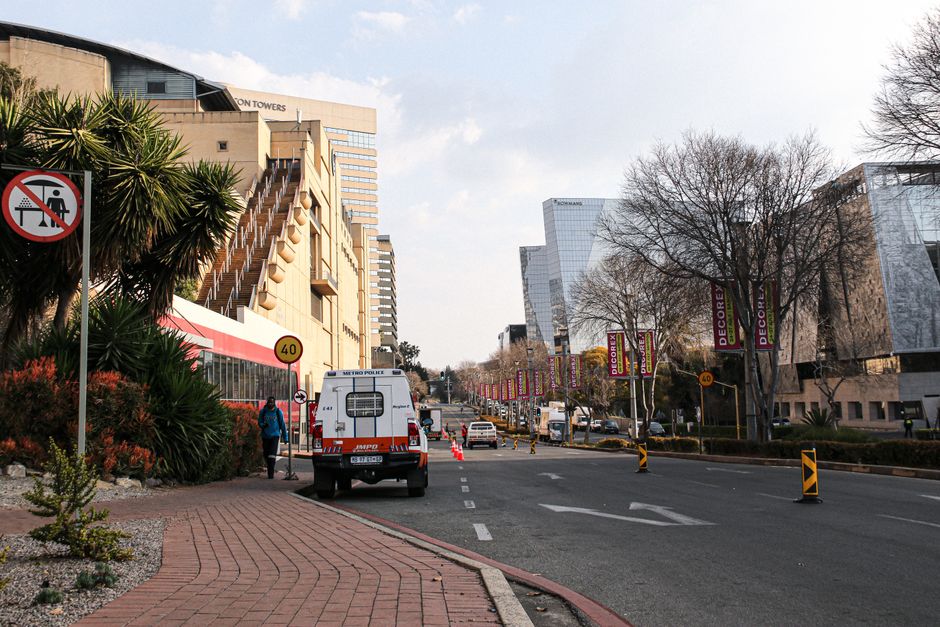
Walk through Braamfontein on any weekday morning and you'll spot the telltale signs of Johannesburg's venture capital renaissance: young entrepreneurs hunched over laptops in the growing number of co-working spaces, venture capitalists shuttling between Sandton and the innovation hubs dotting the inner city. But beyond the startup ecosystem itself, the real story is unfolding on the streets-in minibuses, clinics, and corner spazas across the city where venture-backed technologies are quietly remaking daily life.
The numbers tell part of the story. South Africa attracted $1.2 billion in venture funding last year, with Johannesburg capturing a substantial share. That capital has catalysed a wave of startups solving distinctly local problems. Last-mile delivery startups are reducing shopping times in townships; fintech platforms are bringing banking to unbanked communities; and health-tech companies are extending clinic services into areas where transport has always been a barrier.
Consider transport: ride-sharing platforms and micro-mobility startups have fundamentally altered how residents move between Johannesburg's dispersed neighbourhoods. A commuter in Alexandra can now access affordable, trackable transport options that didn't exist five years ago. The same applies to grocery delivery in formerly underserved areas around Orange Farm and Ennerdale, where venture-backed logistics networks have compressed delivery times from days to hours.
Healthcare represents perhaps the most visible shift. Telemedicine platforms, many funded through Johannesburg-based venture funds, now connect patients in distant suburbs to doctors in the city centre-a genuine game-changer for residents managing chronic illnesses or navigating the city's notoriously congested transport system. A consultation that once required a full day's travel and taxi fare now happens via smartphone.
The financial services impact is equally significant. Venture-backed fintech companies have introduced credit scoring systems, micro-lending platforms, and digital wallets to residents previously locked out of formal banking. A street vendor in Hillbrow can now access working capital without navigating bank bureaucracy; a domestic worker in Sandton can build a verifiable savings record on her phone.
Of course, this boom isn't without challenges. Questions persist about whether venture capital-fundamentally oriented toward scalability and profit-can sustainably address the needs of lower-income communities. And not all neighbourhoods benefit equally; the innovation geography often mirrors existing inequalities.
Yet the trajectory is undeniable. Johannesburg's venture ecosystem isn't just creating companies; it's rewriting how millions of residents navigate their daily lives, one app, one service, one problem-solving startup at a time.
This article was compiled by AI and screened before publishing. See our editorial standards.