SolarGrid Africa: The Johannesburg startup quietly rewiring South Africa's energy future
A Sandton-based deep-tech firm has cracked the code on affordable battery storage—and it's attracting global venture capital attention.
A Sandton-based deep-tech firm has cracked the code on affordable battery storage—and it's attracting global venture capital attention.
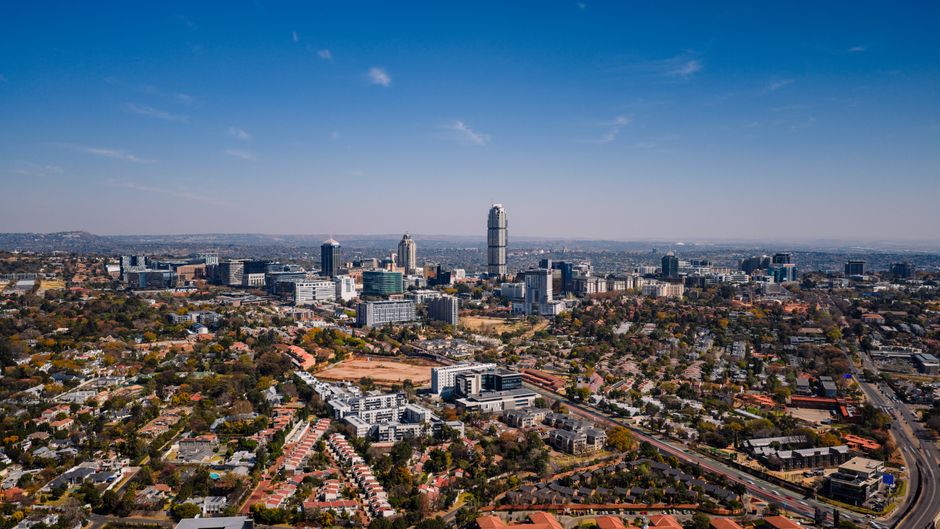
While load-shedding continues to cripple South Africa's grid, a Sandton-based cleantech startup is gaining traction with a solution that could reshape how businesses and municipalities manage energy storage. SolarGrid Africa, which operates from a nondescript tech hub on Grayston Drive, has developed a proprietary lithium iron phosphate (LFP) battery system optimised for sub-Saharan Africa's unique climate and infrastructure constraints.
The company, founded in 2023 by engineers who previously worked on grid resilience projects across East Africa, has already deployed systems at three major commercial facilities in Midrand and the northern suburbs, reducing their peak demand charges by an average of 34 percent. At a time when South Africa's electricity costs have surged beyond R4 per kilowatt-hour for industrial users, that saving translates to meaningful relief.
What sets SolarGrid apart isn't merely the technology—it's the business model. Rather than selling expensive battery units outright (typical costs range from R800,000 to R2.5 million per installation), the company operates a performance-based leasing structure. Customers pay only for the energy stored and discharged, aligning financial incentives with actual grid relief. Early clients report payback periods of 4-5 years, significantly faster than conventional solar-plus-battery installations.
The innovation has caught the attention of international investors. In March, the firm closed a R45 million Series A round led by a London-based climate venture fund, with participation from the South African National Development Agency. That capital is fueling expansion into Johannesburg's manufacturing corridor and the Vaal Triangle, regions where industrial energy costs remain a competitive disadvantage.
SolarGrid's timing is fortuitous. The Department of Energy's revised renewable energy targets and recent regulatory changes permitting businesses to own battery storage without onerous licensing requirements have opened a window. Simultaneously, load-shedding—now surpassing Stage 6 on most days—has made energy independence not a luxury but a necessity for survival.
The company also partners with the Wits School of Engineering on research into thermal management systems, adapting battery performance for Johannesburg's hot summers and unpredictable weather patterns. That research collaboration signals ambitions beyond immediate profit: positioning South Africa as a regional hub for cleantech innovation.
With quarterly deployment rates accelerating and preliminary discussions with the City of Johannesburg around municipal grid support, SolarGrid Africa represents the kind of homegrown solution South Africa's energy crisis demands. Whether it scales nationally remains uncertain—but for now, it's the cleantech story worth watching in Gauteng.
This article was compiled by AI and screened before publishing. See our editorial standards.
How does this story make you feel?
Spread the word
About this article
Published by The Daily Johannesburg
Daily brief
Free, in your inbox before 7am. Weekdays.
More in tech