Safety First: What City Leaders Say About Johannesburg's Neighbourhood Watch Revival
Community officials and security experts weigh in on the grassroots movement transforming streets from Melville to Soweto.
Community officials and security experts weigh in on the grassroots movement transforming streets from Melville to Soweto.
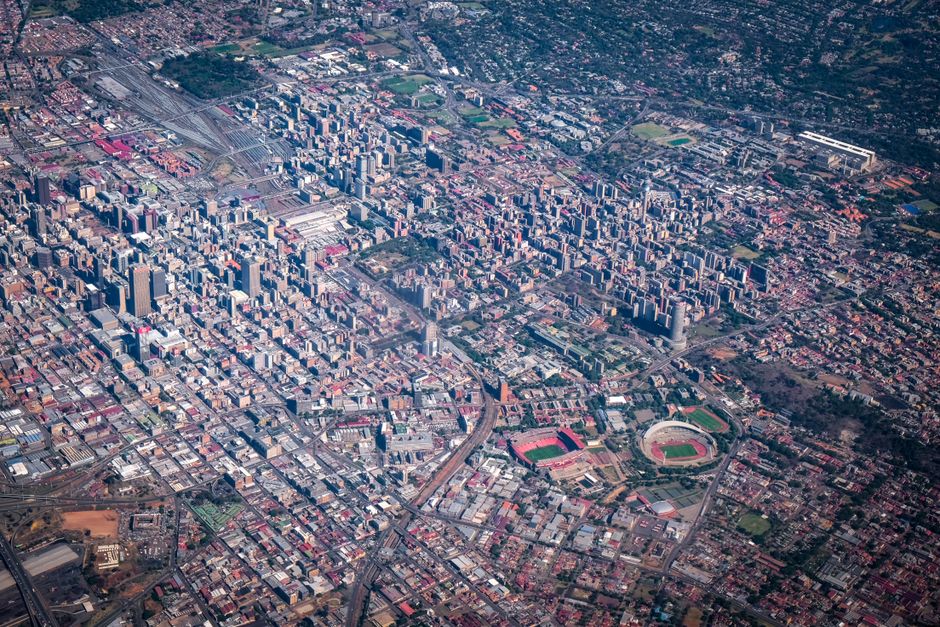
As Johannesburg's neighbourhood watch groups experience a significant resurgence this mid-year, city officials and community safety experts are offering cautiously optimistic assessments of the movement—while emphasizing the need for coordination with formal law enforcement.
The City of Johannesburg's Safety and Security directorate has noted a 34% increase in active neighbourhood watch registrations across the metropolitan area since January 2026, according to data presented at last month's council briefing. The revival is particularly pronounced in traditionally organized communities like Illovo, Rosebank, and Alexandra, where residents have mobilized around crime prevention initiatives.
"What we're seeing is communities taking agency," says a spokesperson from the Johannesburg Metropolitan Police Department's community policing division. "When residents in Parktown North or Observatory coordinate with formal law enforcement rather than operating in isolation, the results are measurable. Information sharing becomes more effective."
However, experts caution against viewing neighbourhood watches as a panacea. Dr. Themba Mthembu, a criminology researcher at the University of the Witwatersrand, emphasizes the importance of proper training and accountability. "Vigilantism can emerge when community groups lack clear guidelines," he noted in recent correspondence with the city's safety portfolio committee. "The most successful initiatives—we see this in areas like Sandton and parts of Soweto—combine active community presence with transparent communication channels to law enforcement."
The Johannesburg Property Owners Association has also backed the movement, noting that improved neighbourhood visibility correlates with reduced insurance premiums in participating areas. Membership in formally registered watch groups has jumped from around 8,000 households citywide in early 2025 to nearly 12,000 today.
Yet challenges remain. Infrastructure gaps persist in outer areas like Diepsloot and Lenasia, where internet connectivity limits real-time information sharing platforms that middle-class neighbourhoods rely upon. The city's recent R2.3 million allocation for neighbourhood safety infrastructure aims to address these disparities.
Councillors representing Soweto's Ward 95 and 96 have pushed for expanded street lighting and community centres that can serve as coordination hubs—a model already operational in parts of Midrand. "We need the same resources applied equitably," representatives stated during June's council session.
As this grassroots movement gains momentum, officials emphasize that its sustainability depends on sustained engagement, proper training, and genuine partnership with municipal services—not substitution of them.
This article was compiled by AI and screened before publishing. See our editorial standards.
How does this story make you feel?
Spread the word
About this article
Published by The Daily Johannesburg
Daily brief
Free, in your inbox before 7am. Weekdays.
More in News


