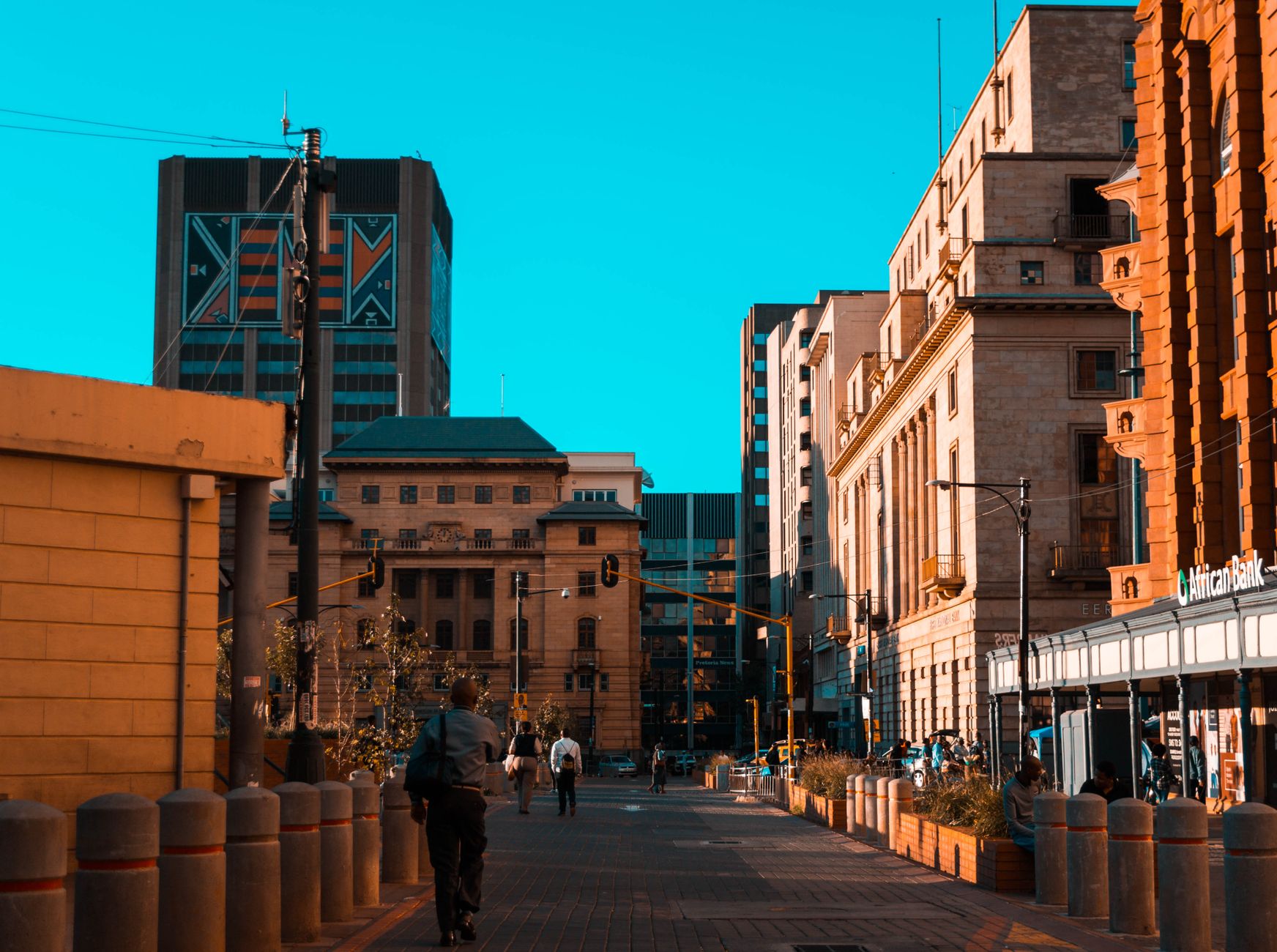
As Johannesburg grapples with a housing shortage that has seen median property prices in inner-city areas like Braamfontein climb beyond R3.2 million, a bitter debate is unfolding among the officials and experts tasked with reshaping the city's urban landscape.
The fracture lines centre on how aggressively the city should pursue densification in established neighbourhoods—and whether market-led development or municipal intervention offers the better path forward.
At a recent housing summit convened by the Johannesburg Development Agency, municipal officials outlined plans to fast-track mixed-use developments along the Rea Vaya corridor, arguing that transit-oriented housing could ease pressure on outlying areas. However, representatives from the Johannesburg Property Council have cautioned against over-regulation, warning that stringent affordable housing quotas could stall private investment entirely.
The tension reflects deeper anxieties about Johannesburg's spatial inequality. While the northern suburbs remain the preserve of high-net-worth buyers, areas like Hillbrow, Berea and parts of Soweto face acute housing stress. Current municipal data indicates roughly 300,000 households are either inadequately housed or living in informal settlements, a figure that has remained stubbornly resistant to policy intervention over the past three years.
Dr Lebogang Molefe, a senior urban planner at the Wits School of Architecture and Planning, has publicly emphasised that density alone will not solve affordability. "We need political will to subsidise housing for households earning below R5,000 monthly," he told a June seminar, highlighting the gap between aspirational policy and fiscal reality.
Meanwhile, the City of Johannesburg's Development Planning Department has signalled support for expanded land-use flexibility around the CBD and inner-city precincts—potentially opening swathes of industrial zoning near Fordsburg and Jeppestown for residential conversion. Such moves have drawn pushback from heritage conservation groups concerned about the character of historically significant areas.
Business chambers and property developers, speaking off the record, acknowledge the crisis but argue that municipal service delivery failures—water outages, electrical unreliability, potholed roads—are equally deterring investment in formerly neglected neighbourhoods.
The impasse underscores a broader truth: Johannesburg's housing emergency cannot be resolved by planning alone. It demands coordination across infrastructure, municipal finance, and political appetite for redistribution—arenas where consensus remains elusive.
This article was compiled by AI and screened before publishing. See our editorial standards.