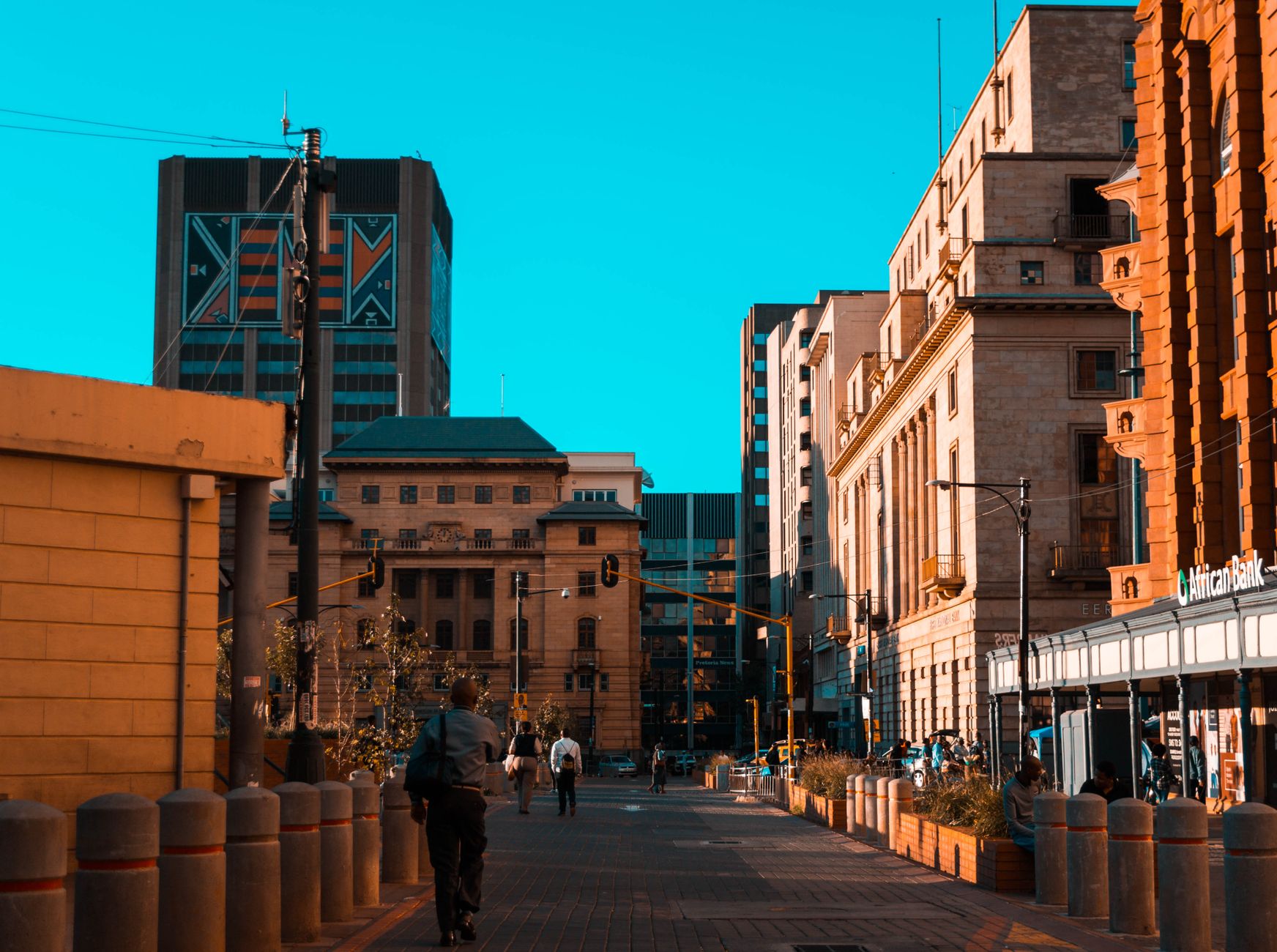
For decades, the hulking concrete structure on Commissioner Street in Braamfontein sat empty—a relic of Johannesburg's industrial past that had become an eyesore. This week, it opened its doors as The Spark, a community arts and innovation hub that organisers say will serve as a gathering point for the surrounding neighbourhoods stretching toward Fordsburg and Newtown.
The conversion, which took eighteen months and cost approximately R8.2 million in public and private funding, represents an ambitious urban renewal project at a time when Johannesburg is grappling with how to revitalise its inner city. The 2,400-square-metre space now houses artist studios, a digital skills training centre, and a café operated by a local social enterprise.
"We wanted to create something that belongs to the community, not something imposed on it," said a spokesperson for the Urban Land Foundation, which spearheaded the project. The hub's opening comes as Johannesburg faces ongoing challenges with foreign national tensions and safety concerns—issues that have dominated headlines this week as police units mobilise across various areas.
The Spark is not operating in isolation. The opening coincides with renewed interest in Braamfontein's regeneration, where property values have risen 23 percent over the past two years according to local estate agents. Nearby, the Origins Centre continues to draw cultural tourists, while the Wits University precinct maintains its position as an intellectual anchor for the area.
However, community leaders acknowledge the challenges. The neighbourhood still contends with infrastructure gaps, inconsistent municipal services, and competition for attention and resources. The opening ceremony on Tuesday drew approximately 400 residents, local business owners, and city officials, though turnout was dampened by persistent rain.
The initiative reflects a broader pattern emerging across Johannesburg's inner city, where private investment and grassroots organising are attempting to fill gaps left by municipal service delivery. Similar projects in Maboneng and Arts on Main have demonstrated both the potential and the fragility of such ventures.
Organisers are banking on the space becoming self-sustaining through rental income from artists and training fees. They've already received enquiries from 47 creatives seeking studio space. Whether The Spark becomes a durable beacon for neighbourhood revitalisation or another well-intentioned project that struggles to gain traction will become clearer in the months ahead.
This article was compiled by AI and screened before publishing. See our editorial standards.