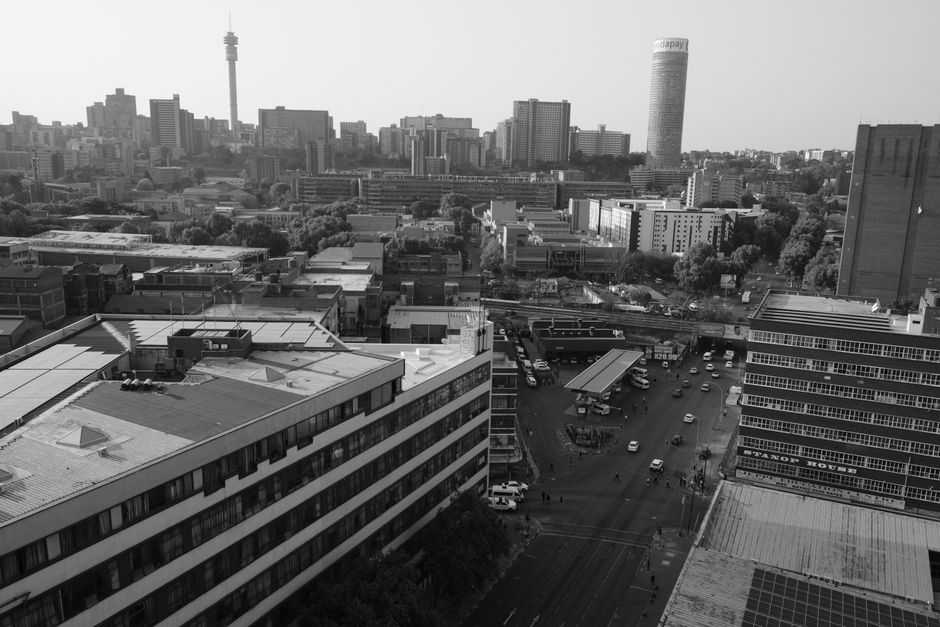
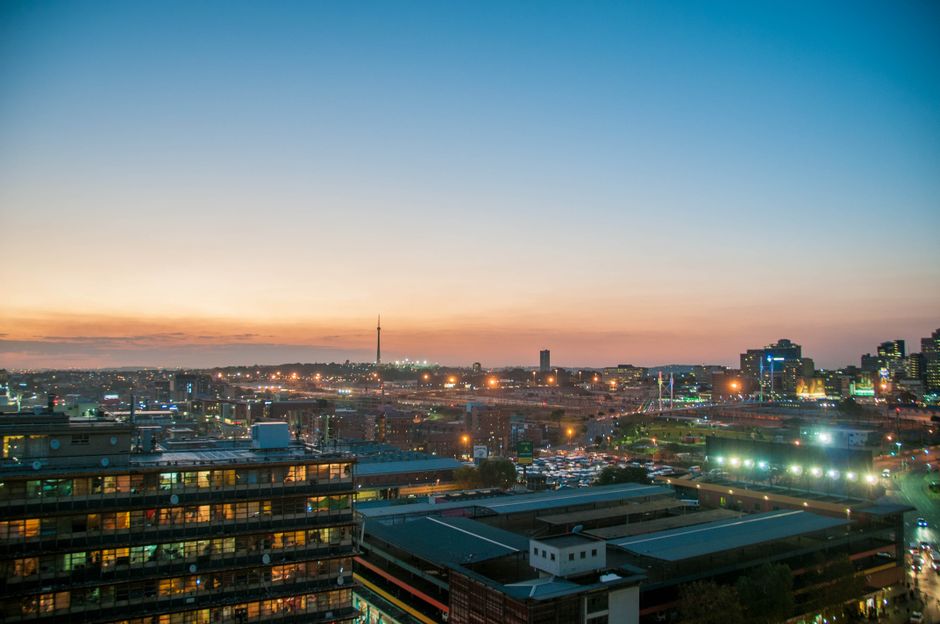
The numbers tell a stark story. With nearly 300 Ebola contacts unaccounted for in the Democratic Republic of Congo, Venezuela reeling from natural disaster displacement, and Pakistan-Afghanistan tensions driving fresh refugee flows, Southern Africa's largest city faces a defining moment. Johannesburg's standing as a continental migration hub means these global crises will inevitably arrive at its doorstep—and city planners, NGOs, and community leaders must decide how to respond.
The stakes are immediate and concrete. The inner-city precincts from Hillbrow to Berea already absorb thousands of undocumented migrants, with informal settlements around Alexandra and Diepsloot growing faster than municipal services can accommodate. Rental prices in traditionally migrant-heavy areas like Yeoville have surged 40% over three years, pricing out both newcomers and long-established residents alike. The Johannesburg Development Agency and City Health Services lack the resources to manage another influx without strategic intervention.
Three decisions loom. First: will the City fast-track asylum processing at the Refugee Reception Office on Kotze Street in the CBD, which currently processes 200 applications monthly with a backlog exceeding 18,000? Second: how will informal traders—predominantly migrant communities operating around Fordsburg and the Johannesburg Market—be integrated into formalized economic participation rather than pushed into further marginalization? Third: what obligations does Johannesburg have to coordinate with provincial health authorities, given that communicable disease risks know no border?
The International Organization for Migration estimates Southern Africa will receive 2.3 million climate-related migrants by 2030. Johannesburg alone absorbed over 1.2 million foreign nationals in the 2023 census—nearly 14% of the metro's population. Without deliberate planning, competition for housing, healthcare, and employment will intensify existing tensions between migrant and host communities, threatening the city's social cohesion.
Some organizations are already ahead of the curve. The Johannesburg-based African Centre for Migration and Society has begun mapping informal settlement dynamics in Soweto and Ekurhuleni's borders, while groups like the Scalabrini Centre provide critical shelter and guidance to asylum seekers. Yet their reach is limited by funding constraints and coordination gaps between city departments.
The path forward requires honest trade-offs. Johannesburg cannot absorb unlimited arrivals without investment in housing, healthcare infrastructure, and livelihood support. Yet closing doors ignores the city's founding identity as a place of refuge and reinvention. The decisions made in the coming months—whether to expand asylum facilities, create migrant entrepreneurship corridors, or strengthen cross-border health protocols—will define whether Johannesburg remains a beacon of opportunity or becomes overwhelmed by its own success.
This article was compiled by AI from the sources linked above and screened before publishing. See our editorial standards.