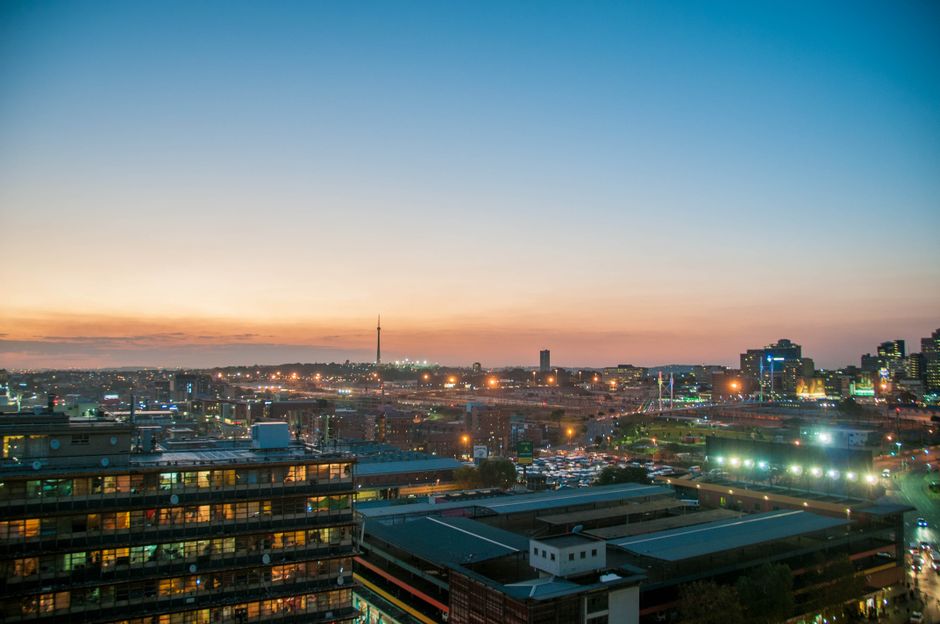
Johannesburg's chronic housing crisis moved closer to a potential turning point on Thursday when the City Council approved a landmark mixed-income development earmarked for land bordering Soweto and the Johannesburg CBD, a decision that developers and housing advocates have hailed as a watershed moment for urban planning in South Africa's economic engine.
The approval of the Kliptown Corridor Project—a phased development spanning 47 hectares along the Empire Road and Jabulani Corridor axis—represents the city's most aggressive attempt in over a decade to blend affordable housing with commercial and market-rate residential units in a single, integrated precinct. The project, which received conditional approval pending environmental assessments and community consultations, is expected to deliver approximately 4,200 housing units over eight years, with 40 percent designated as affordable housing below R800,000 per unit.
For a city where the average property price in established northern suburbs now exceeds R3 million, and where backlog estimates suggest over 600,000 households remain on waiting lists, the decision represents a pragmatic compromise between market forces and social imperatives.
The City's Head of Urban Development indicated that the approval reflects lessons learned from earlier projects. Previous attempts to cluster low-income housing—most notably the troubled Cato Ridge extension in the east—created economically homogenous areas prone to service delivery backlogs and social dysfunction. This project's mixed-income approach follows international best practice and aligns with the city's revised Spatial Development Framework, approved late last month.
However, the decision has not gone unopposed. Residents in adjacent Observatory and Parktown areas have raised concerns about traffic congestion on already-strained arterial routes, while some housing activists argue the 40 percent affordable component falls short of the 50 percent threshold recommended by the National Housing Code. The Johannesburg Ratepayers Association has flagged potential water supply constraints in an area already serviced by aging municipal infrastructure.
The development's timeline is aggressive. The developer consortium, comprising both established construction firms and black-owned enterprises, must begin community engagement by August and submit final designs by December. First-phase construction is slated for early 2027.
For urban planners monitoring Johannesburg's uneven sprawl—where new wealth continues gravitating northward while inner-city regeneration stalls—this week's decision offers a test case. Success could reshape the city's approach to densification; failure might entrench skepticism about whether market-driven solutions can meaningfully address the housing needs of ordinary Johannesburgers.
This article was compiled by AI from the sources linked above and screened before publishing. See our editorial standards.