By the Numbers: What Data Reveals About Johannesburg's Neighbourhood Renewal
New citywide survey shows measurable shifts in safety perception, property investment and community participation across Joburg's historic districts.
New citywide survey shows measurable shifts in safety perception, property investment and community participation across Joburg's historic districts.
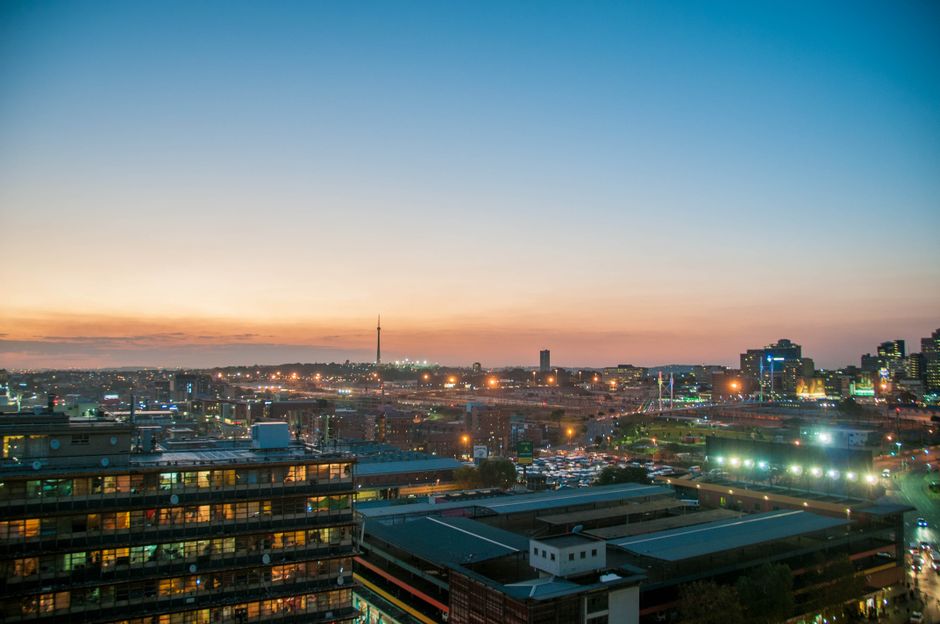
A comprehensive neighbourhood audit released this week by the Johannesburg Development Agency paints a detailed statistical portrait of how the city's communities are transforming—and where gaps remain largest.
The survey of 4,847 residents across 23 wards, conducted between March and May, reveals that property investment in historically marginalised areas has increased by 34% year-on-year. In Braamfontein, where the transformation has been most visible, commercial property values climbed 18% despite economic headwinds. Yet Hillbrow—just 2 kilometres away—saw property values decline 7%, highlighting the stark inequality persisting within walking distance.
Safety perception improved measurably in some neighbourhoods. Maboneng recorded a 22-percentage-point increase in residents who feel "safe or very safe" after dark, rising from 31% in 2024 to 53% this year. By contrast, Joubert Park registered only a 4-point improvement, suggesting that high-profile safety initiatives in certain zones may be inadvertently widening the confidence gap between districts.
Community participation data tells another story. Civic engagement in Parkhurst, measured through attendance at ward forums and neighbourhood watch groups, grew 41% year-on-year, with an average of 156 residents per monthly meeting. Soweto's Meadowlands zone, with a population ten times larger, averaged just 89 attendees per meeting—a participation rate of 0.08% compared to Parkhurst's 2.3%.
The JDA's statistics also reveal economic disparities. Average household income in the surveyed Sandton wards reached R187,000 monthly, compared to R18,400 in Alexandra—a ratio of 10:1. Yet entrepreneurship data showed Alexandra residents launching 287 small businesses in the past 12 months, versus 156 in Sandton, suggesting concentrated economic activity amid structural inequality.
Service delivery metrics proved variable. Water supply reliability in Midrand topped 94%, while Soweto's Protea Glen recorded 67%, with 34% of households reporting outages exceeding three days monthly. Waste collection completion rates ranged from 89% in northern suburbs to 61% in outer-south zones.
Perhaps most tellingly, the survey captured migration patterns. Johannesburg's urban core saw a net migration outflow of 2,300 residents monthly, while satellite nodes like Midrand and Centurion gained 1,100 and 890 residents respectively—suggesting the city's demographic centre is physically shifting.
These numbers, officials say, will guide R4.2 billion in planned investments through 2028. Whether that funding reaches the districts where data shows the greatest need remains the question residents are watching closely.
This article was compiled by AI from the sources linked above and screened before publishing. See our editorial standards.
How does this story make you feel?
Spread the word
About this article
Published by The Daily Johannesburg
Daily brief
Free, in your inbox before 7am. Weekdays.
More in News


