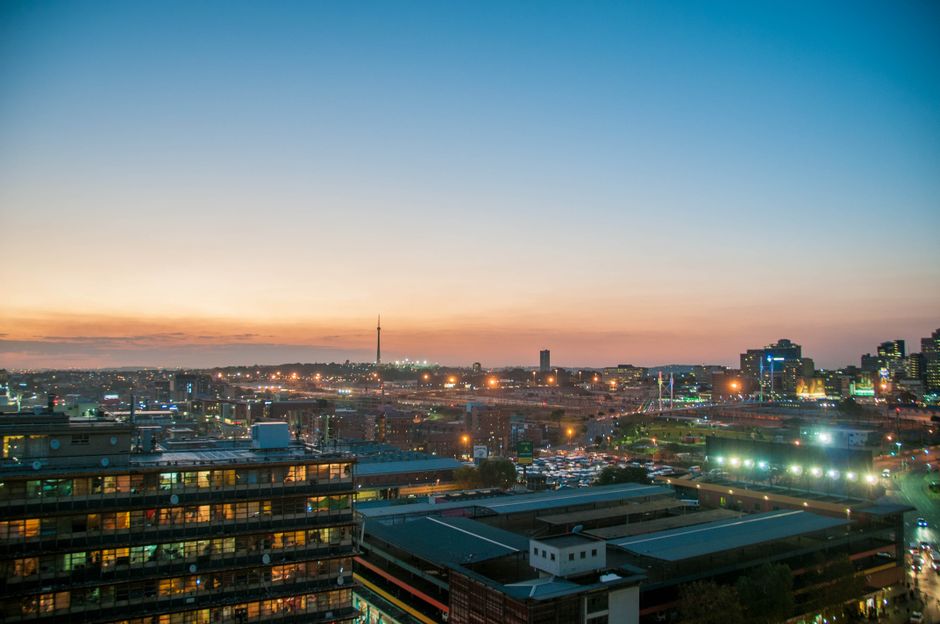
City pushes ahead with Braamfontein densification plan as housing crisis deepens
Johannesburg's latest urban renewal strategy aims to unlock thousands of residential units across the inner city, but affordability remains the elephant in the room.
Johannesburg's latest urban renewal strategy aims to unlock thousands of residential units across the inner city, but affordability remains the elephant in the room.

Johannesburg's City Council fast-tracked approval this week for a revised spatial development framework targeting the Braamfontein precinct, marking the most significant housing policy shift in the city since 2019. The move comes as the metropolitan area grapples with a critical shortage of affordable residential stock, with rental prices in accessible neighbourhoods like Hillbrow and Yeoville climbing beyond the reach of middle-income earners.
The densification initiative, which emerged from discussions between the City's Development Planning and Urban Management directorate and private sector stakeholders, prioritises mixed-use developments along De Korte Street and the edges of the Witwatersrand University campus. Officials indicated that the framework could unlock approximately 12,000 residential units over the next decade, though precise timelines and funding mechanisms remain under review.
"We're looking at a fundamental reimagining of how Johannesburg grows inward rather than outward," a senior city planning official explained during Thursday's public hearing at the Joburg Market precinct. The strategy pivots away from sprawl patterns that have historically pushed development toward the periphery, where infrastructure costs balloon and commute times strain working families.
However, housing activists and civil society organisations have voiced concerns about the affordability quotient embedded in the policy. Current market trends show that even "affordable" units in regenerated inner-city areas command monthly rentals between R6,500 and R8,500—pricing that remains inaccessible for households earning below R15,000 monthly. The City has committed to a 20 percent social housing component in approved developments, but enforcement mechanisms remain ambiguous.
The announcement arrives amid broader municipal challenges. Rising service delivery backlogs, water outages in parts of Soweto and the East Rand, and delays in the Sandton expansion corridor have strained the City's credibility on infrastructure delivery. The Braamfontein project will test whether Johannesburg can coordinate housing construction with simultaneous upgrades to sewerage, electricity, and transportation networks.
Industry bodies such as the Johannesburg Chamber of Commerce have broadly welcomed the framework, citing reduced regulatory uncertainty and clearer zoning parameters. Yet developers cautious about construction costs and market volatility remain hesitant to commit capital immediately. Several major projects in the CBD and Maboneng Precinct have stalled over the past eighteen months, signalling tepid investor confidence despite policy clarity.
The City has called for community submissions until July 15, with final adoption anticipated before the August recess. Whether this week's approval translates into actual residential delivery—and whether such housing reaches those who need it most—will define the success of Johannesburg's latest attempt to solve its urban housing puzzle.
This article was compiled by AI from the sources linked above and screened before publishing. See our editorial standards.
How does this story make you feel?
Spread the word
About this article
Published by The Daily Johannesburg
Daily brief
Free, in your inbox before 7am. Weekdays.
More in News