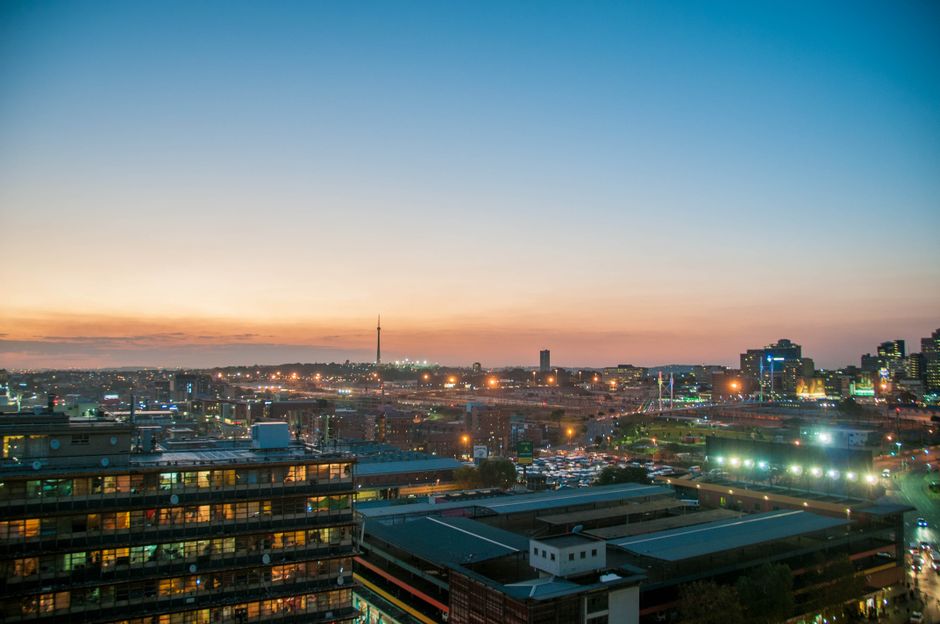
What City Officials and Experts Are Saying About Johannesburg's Infrastructure Crisis
As the City grapples with water shortages and load-shedding fallout, key stakeholders outline competing visions for recovery.
As the City grapples with water shortages and load-shedding fallout, key stakeholders outline competing visions for recovery.
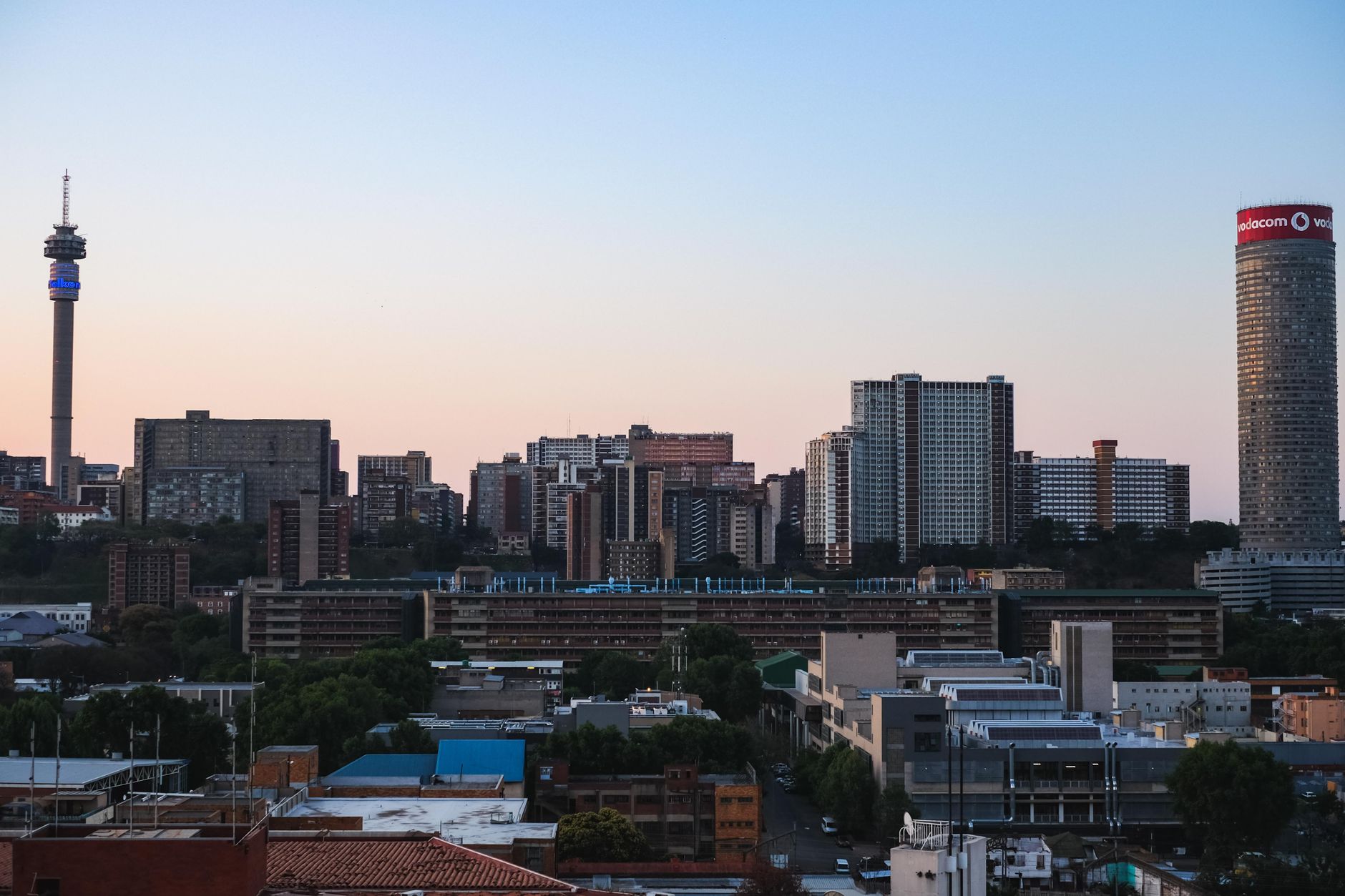
Johannesburg's leadership is facing mounting pressure to address infrastructure failures that have disrupted daily life across the metro, with officials and experts this week offering starkly different assessments of how quickly the city can recover.
Speaking at a public engagement session in Sandton on Monday, City Power officials acknowledged that electricity distribution failures along the Witwatersrand line have left approximately 40,000 households without reliable supply for weeks. The utility's technical team indicated that transformer replacements in Parkhurst and Melville would take until mid-July, a timeline that drew sharp criticism from the Johannesburg Property Owners and Managers Association, which represents commercial interests across the CBD and northern suburbs.
"We need transparency on costs and timeframes," said a statement from the association, whose members operate properties worth billions along Commissioner Street and in the Rosebank precinct.
Water scarcity remains equally pressing. Rand Water officials reported at a briefing yesterday that the Olifantsvlei Water Treatment Works is operating at 67% capacity due to aging infrastructure, forcing the City to implement rolling restrictions affecting townships and middle-income areas disproportionately. Alexandra and Soweto have experienced supply cuts of up to 18 hours daily, sparking warnings from community health organisations about waterborne disease risks.
Dr Sizwe Mkhize, director of the Wits School of Governance, told The Daily Johannesburg that the city's infrastructure deficit—estimated at R89 billion across water, electricity and roads—cannot be addressed through current municipal budgets alone. "Without private sector participation or national government support, we'll see continued deterioration," Mkhize said, pointing to comparable crises in Cape Town and eThekwini as cautionary tales.
However, some officials struck a more optimistic tone. The City's Spatial Development Framework team, which unveiled a revised 20-year plan at the Johannesburg Development Agency offices in Braamfontein, argued that public-private partnerships for transport corridors along the N1 and in the east could unlock R12 billion in investment. The framework targets rejuvenation of the inner city and improved connectivity between Alexandra, Sandton and the emerging nodes in Midrand.
The Johannesburg Chamber of Commerce warned against overreliance on such partnerships without stronger governance safeguards. "We've seen deals go wrong before," a spokesperson noted, referencing controversies surrounding previous infrastructure contracts.
With municipal elections potentially looming next year, these competing narratives signal that Johannesburg's infrastructure crisis will shape political discourse for months to come.
This article was compiled by AI from the sources linked above and screened before publishing. See our editorial standards.
How does this story make you feel?
Spread the word
About this article
Published by The Daily Johannesburg
Daily brief
Free, in your inbox before 7am. Weekdays.
More in News