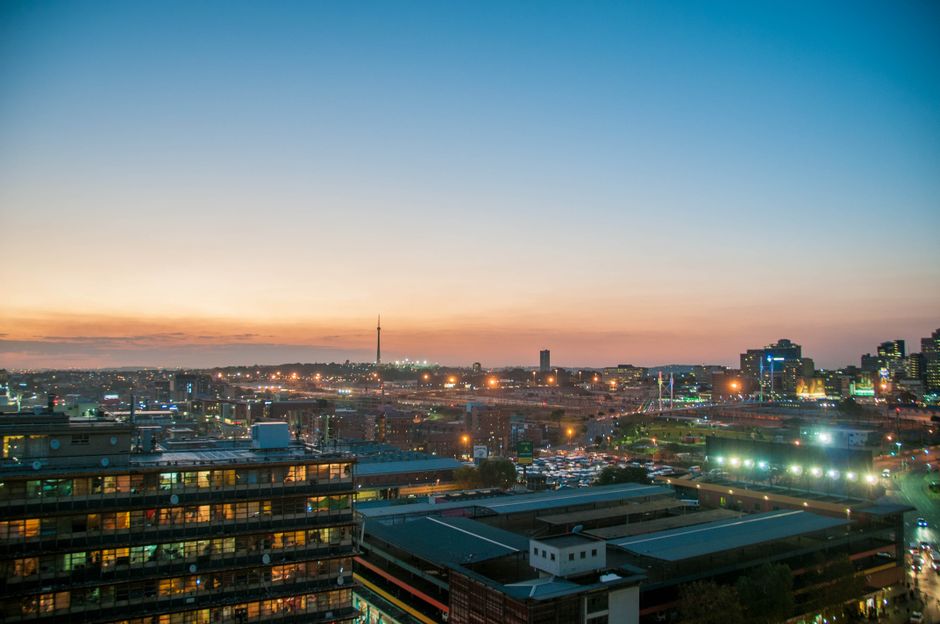
By the Numbers: What Data Reveals About Johannesburg's Shifting Migration Patterns
New census and migration studies paint a complex picture of who is moving to South Africa's largest city—and where they're settling.
New census and migration studies paint a complex picture of who is moving to South Africa's largest city—and where they're settling.
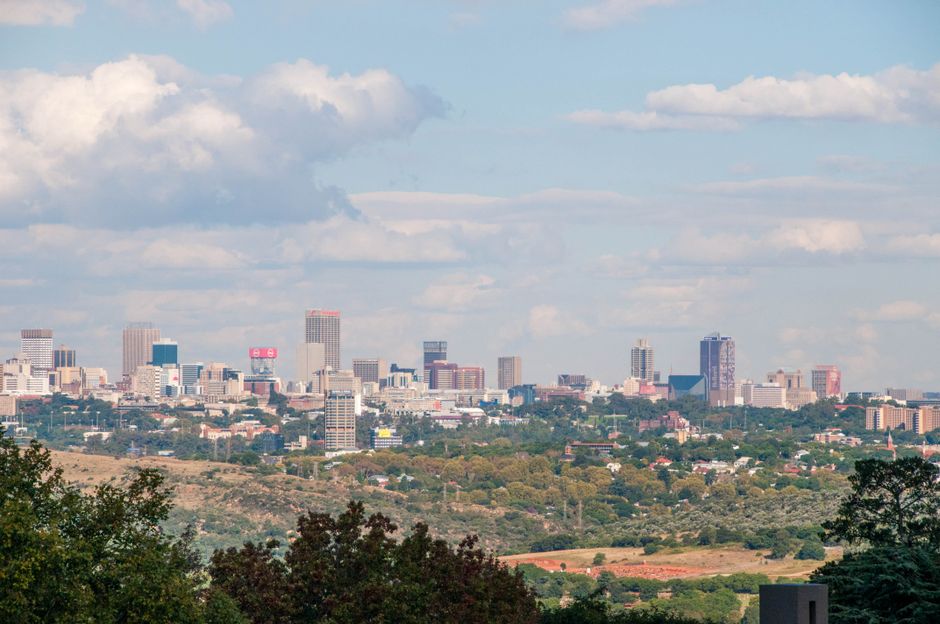
Johannesburg's identity as a migration hub is no longer anecdotal. Fresh data released by Statistics South Africa and the Johannesburg City Council reveals that the city's foreign-born population has grown to approximately 8.2% of the metropolitan area's 6.4 million residents—roughly 525,000 people—a significant jump from 5.1% recorded in 2016.
The numbers tell a story of concentrated settlement patterns. The Central Business District and surrounding inner-city wards have seen the most dramatic shifts, with foreign nationals now comprising nearly 22% of residents in areas spanning Braamfontein, Hillbrow, and Berea. Yet the data also reveals a secondary migration wave into the southern suburbs, particularly Johannesburg South and areas around Lenasia, where the foreign-born population has doubled to approximately 4.8% over the past decade.
Migration corridors are equally revealing. Statistics show that 34% of Johannesburg's foreign-born population originate from Zimbabwe, with a further 18% from the DRC, 12% from Nigeria, and 8% from Pakistan. However, emerging source countries tell a different story: arrivals from Somalia, Ethiopia, and Malawi have each increased by between 140% and 190% since 2014, suggesting shifting push-and-pull factors across the continent.
The economic data grounds these movements in lived reality. Latest labour force surveys indicate that foreign nationals in Johannesburg earn approximately 15-18% less than their South African counterparts in comparable roles, with median monthly income sitting at R8,400 versus R9,850. Yet formal employment rates among migrants have climbed to 41%, up from 28% in 2019, suggesting growing integration into the city's formal economy despite structural barriers.
Housing pressures are quantifiable too. Rental prices in high-migration areas like Yeoville and Observatory have increased 34% since 2020, outpacing citywide averages of 22%. Multi-occupancy arrangements—where housing data shows an average of 4.7 persons per formal rental unit compared to the municipal average of 2.3—reveal the practical economics migrants navigate daily.
Organisations working in migrant services report these numbers in real terms. The Johannesburg Inner-City Network, operating from their Newtown offices, processed approximately 3,200 migration-related cases in 2025 alone. Legal aid centres in the CBD report a 47% year-on-year increase in asylum documentation requests.
What emerges from the data is neither a crisis narrative nor a simple success story, but a complex portrait of a city continuously remade by human movement—measured in percentages, rand values, and residence patterns that shape everything from housing pressure to labour market dynamics.
This article was compiled by AI from the sources linked above and screened before publishing. See our editorial standards.
How does this story make you feel?
Spread the word
About this article
Published by The Daily Johannesburg
Daily brief
Free, in your inbox before 7am. Weekdays.
More in News