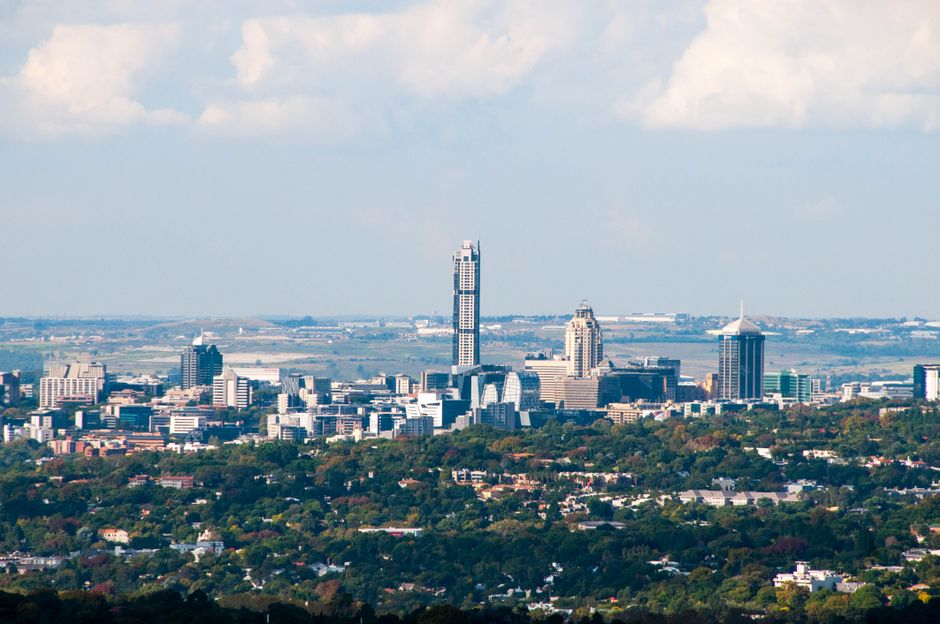
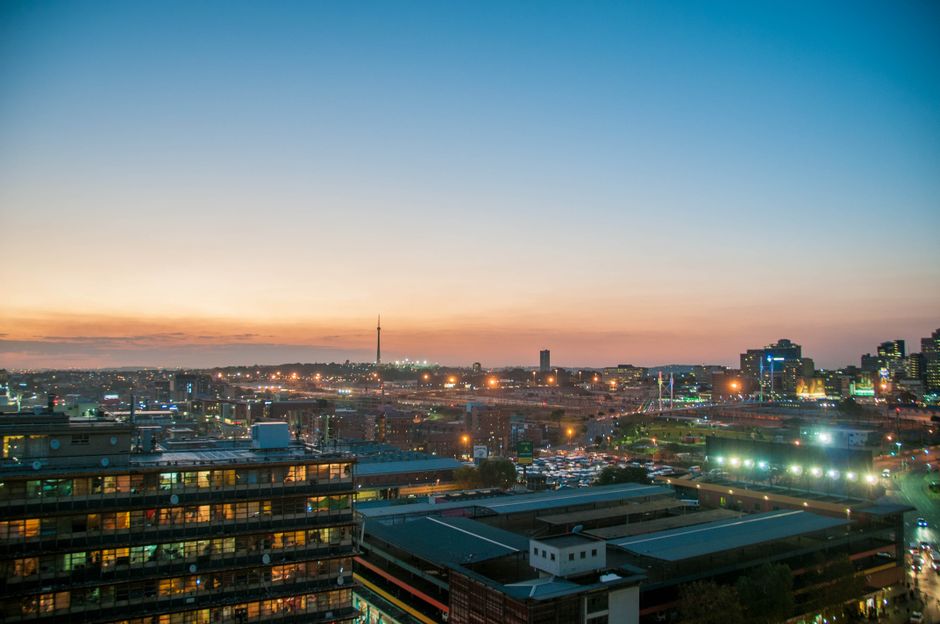
While cities like Copenhagen and Singapore dominate headlines with their gleaming renewable energy projects, Johannesburg is quietly reshaping its environmental footprint through a distinctly local lens. The comparison reveals a city caught between world-class aspirations and the grinding realities of rapid urbanisation in the Global South.
The Joburg City Improvement District has invested heavily in green infrastructure across the Sandton CBD, installing permeable pavements and rain gardens along key stretches of Rivonia Road and Katherine Street. Yet this stands in sharp contrast to the sprawling townships of Alexandra and Soweto, where waste management remains chronically underfunded. The city's 2023 Integrated Waste Management Plan targeted a 50% reduction in landfill waste by 2030—ambitious on paper, but plagued by implementation delays that have frustrated residents and environmental groups alike.
Eskom's stranglehold on South Africa's energy supply presents Johannesburg with a challenge its Northern Hemisphere counterparts rarely face. While Berlin boasts that renewables comprise over 60% of its electricity mix, and Toronto has committed to 100% clean energy by 2050, Johannesburg's solar rooftop installations have grown modestly—largely confined to affluent areas like Westdene and Rosebank. Load-shedding, which peaked at 215 days of blackouts in 2022, has paradoxically accelerated private renewable adoption among those who can afford it, widening the green infrastructure divide.
The Johannesburg Development Agency's revitalisation of the Maboneng Precinct has become a case study in urban regeneration, attracting tech companies and creative industries. However, environmental critics note that gentrification often displaces communities who bear the costs of previous industrial pollution. This mirrors tensions seen in gentrifying districts of London and San Francisco, though Joburg's historical legacy of industrial contamination in areas like Eastgate poses uniquely complex remediation challenges.
Where Johannesburg distinguishes itself is through grassroots initiatives. The Soweto Green Corridor project and community-led urban agriculture programmes in Kensington have drawn international attention as models for climate adaptation in resource-constrained contexts. These efforts lack the municipal funding of equivalent schemes in Melbourne or Vancouver, yet they demonstrate resilience and innovation born from necessity.
The municipality's commitment to becoming carbon-neutral by 2050 remains credible in ambition but vague in execution. With municipal budgets stretched thin and competing priorities spanning housing, water, and sanitation, environmental sustainability often ranks third. Unlike wealthy cities that can outsource their carbon footprint through service imports, Johannesburg must simultaneously address poverty, inequality, and climate action—a three-front battle its global peers rarely acknowledge.
This article was compiled by AI from the sources linked above and screened before publishing. See our editorial standards.