How Johannesburg's Environmental Crisis Forced a Reckoning: The Long Road to Today's Sustainability Push
Decades of rapid urban sprawl, air pollution, and water scarcity have pushed the city to finally confront the legacy of unchecked development.
Decades of rapid urban sprawl, air pollution, and water scarcity have pushed the city to finally confront the legacy of unchecked development.
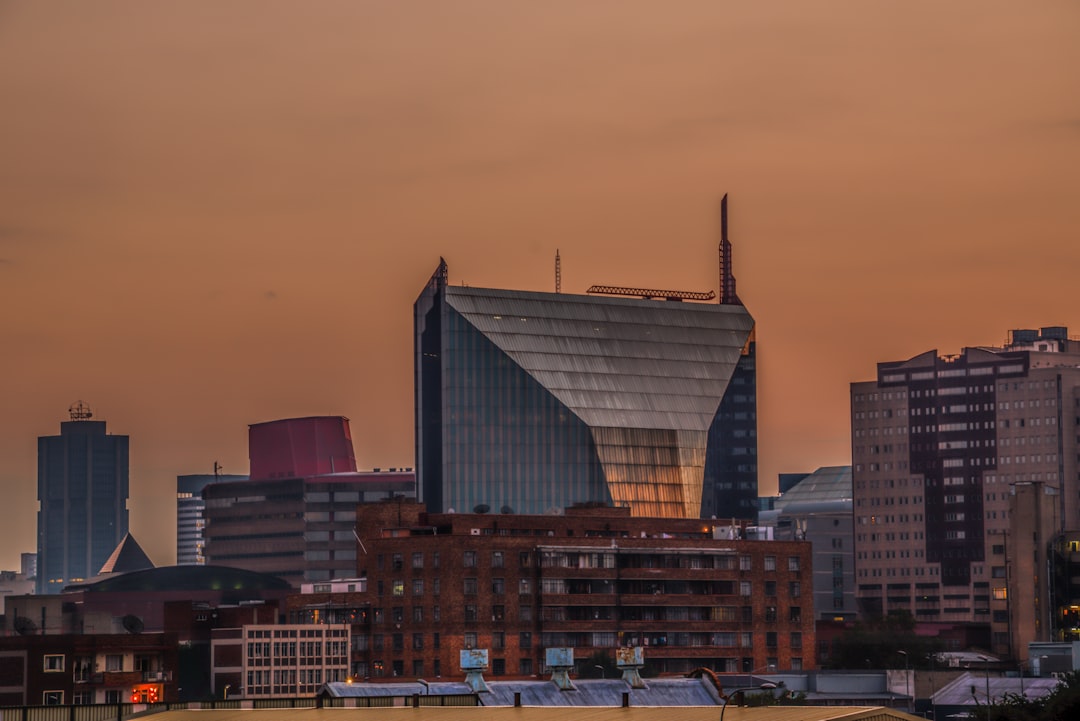
Johannesburg's environmental awakening didn't happen overnight. For decades, South Africa's economic powerhouse prioritized growth over green spaces, turning what was once a mining settlement into a sprawling metropolis of nearly 6 million people—often at the cost of breathable air and clean water.
The crisis became impossible to ignore by the early 2020s. Air quality readings in traditionally industrial areas like Roodepoort and Soweto regularly exceeded safe limits, with particulate matter from vehicle emissions and lingering industrial operations creating what residents described as perpetual haze. The city's water stress, exacerbated by poor infrastructure and climate variability, left many townships facing severe shortages while wealthier northern suburbs maintained green lawns.
The Klipriviersberg Nature Reserve and the Cradle of Humankind to the northwest represented what had been lost—green lungs gradually squeezed by urban encroachment. Meanwhile, the Molten Metal Valley's legacy of unregulated dumping and contamination became a stark visual reminder of past negligence.
Local advocacy groups operating from offices in Braamfontein and Maboneng began documenting the human cost. Health statistics painted a grim picture: respiratory diseases in low-income areas ran significantly higher than in affluent neighbourhoods like Sandton. The Johannesburg Environmental Justice Network, among others, made the connection between where people lived and how long they lived.
What changed the conversation was a confluence of factors. Unprecedented water restrictions in 2023 exposed the fragility of municipal services. Simultaneously, younger professionals in the city's creative hubs demanded better urban planning. The Gauteng Air Quality Forum released damning reports showing Johannesburg's pollution levels comparable to cities on international watchlists. Property values in heavily polluted zones stagnated, making the economic case for environmental cleanup undeniable.
By 2024, the city began investing in bus rapid transit corridors, expanding urban green spaces along the Jukskei River catchment, and tightening industrial emissions standards. The Johannesburg Development Agency launched retrofitting programmes for township infrastructure. These weren't radical measures—they were overdue corrections to decades of unchecked growth.
Today's sustainability initiatives don't emerge from virtue; they emerge from necessity. The city learned that environmental degradation isn't separate from economic performance—it's foundational to it. After generations of extraction-focused thinking, Johannesburg is learning to account for what it had taken for granted.
This article was compiled by AI and screened before publishing. See our editorial standards.
How does this story make you feel?
Spread the word
About this article
Published by The Daily Johannesburg
Daily brief
Free, in your inbox before 7am. Weekdays.
More in News