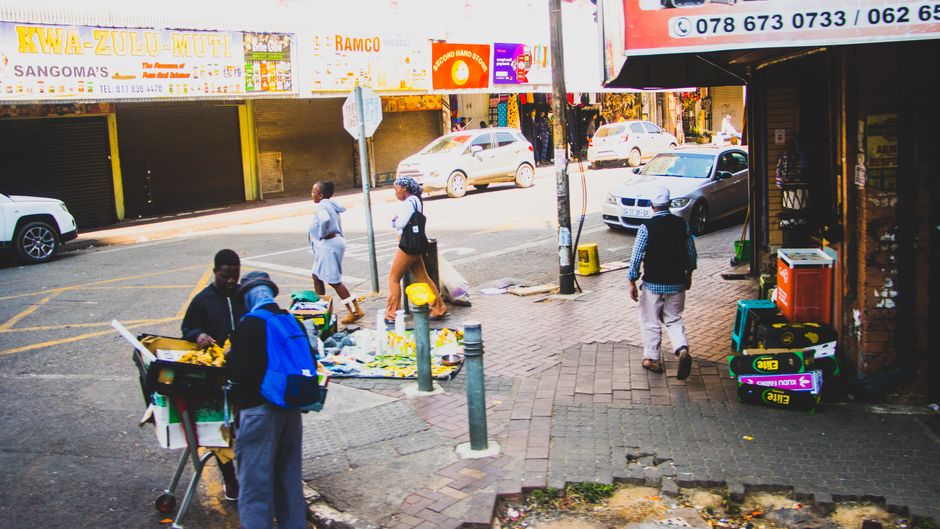
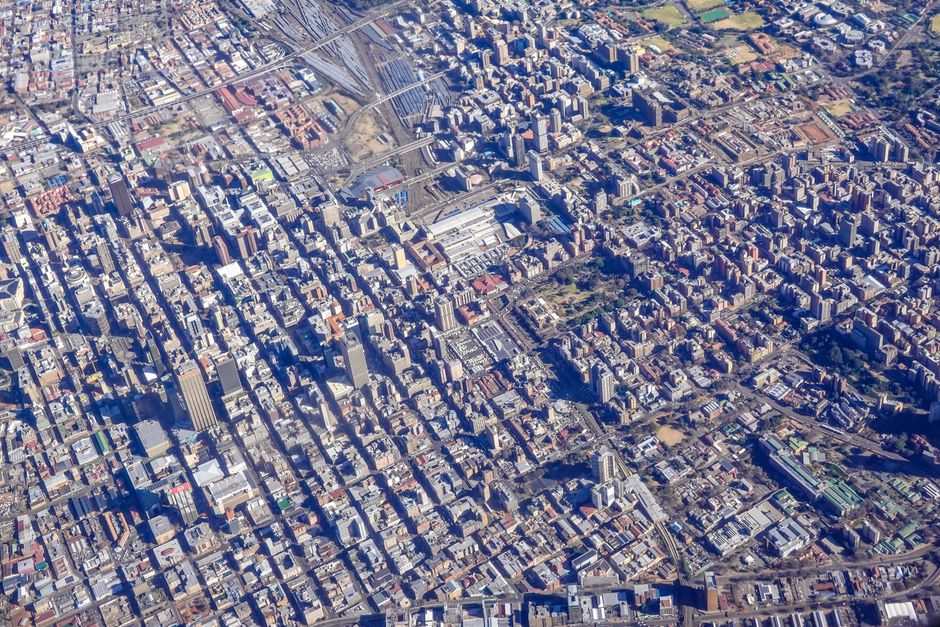
The Braamfontein Neighbourgoods Market recorded its highest single-day trader turnover since 2023 last month, pulling in an estimated R2.8 million across 140 stalls on a Saturday in late June, according to figures shared by the Braamfontein Management District. The jump comes after community leaders, ward councillors from Ward 59, and the City of Joburg's Economic Development Unit reached a working agreement in May on security deployment, waste management and vendor licensing — a deal three years in the making.
The timing matters. Johannesburg's inner-city creative and informal economy has spent the better part of four years clawing back from pandemic losses and load shedding disruptions that gutted foot traffic in mixed-use precincts like Braamfontein. The ANC-DA coalition governing Gauteng has made inner-city regeneration a visible test case for its partnership — and officials on both sides of that coalition are now pointing to Braamfontein as early proof the arrangement can produce something tangible.
What the Officials and Planners Are Actually Arguing
The City's Economic Development Unit has credited the May agreement with streamlining the vendor permit process, which previously required traders to navigate three separate municipal departments. Under the new framework, market operators submit a single consolidated application through the Joburg City Property Company. One senior official from the unit, speaking without attribution because formal statements require mayoral sign-off, described the old system as "designed to frustrate" and said the consolidated process cut average approval time from eleven weeks to under three.
Ward 59 councillor representatives have been more cautious in their public assessments. At a community meeting held at the Wits University Great Hall on 18 June, ward committee members raised concerns that rising foot traffic was beginning to spill pressure onto Jan Smuts Avenue side streets, particularly around the Neighbourgoods Market's eastern entrance on Juta Street, where informal parking and waste collection remain contested. The Braamfontein Management District confirmed it has budgeted R180,000 for additional Saturday cleaning crews through December 2026.
Musa Ndlovu, an urban economist at the University of the Witwatersrand's African Centre for Cities affiliate programme, has been tracking the precinct since 2021. He argues the market's recovery is real but uneven. Stalls selling food and beverages — particularly vendors from Zimbabwe and Mozambique who dominate the southern end of the market near De Beer Street — have seen the strongest rebound, while craft and design vendors on the northern block are still averaging 30 percent below their 2022 revenue peaks. "The food economy recovered first because it never fully disappeared," Ndlovu told colleagues at a June urban policy roundtable. He has written that sustainable growth in the precinct depends on extending the market's operating window beyond its current 9am-to-3pm Saturday slot.
What Comes Next for Traders and Visitors
The Braamfontein Management District says it will table a proposal to the City in August for a Friday-evening pilot session running from 5pm to 9pm along Juta Street. If approved, the pilot would launch in October — historically one of the market's strongest months — and would run for eight consecutive weeks before a review. Traders are being asked to register their interest with the BMD office on De Korte Street before 31 July.
For the roughly 200 vendors currently on the market's waiting list — a number the BMD confirmed this week — the Friday pilot represents the most realistic near-term path to a formal stall. Several vendors who spoke to The Daily Johannesburg near the market's coffee row on Saturday described paying informal daily fees of between R150 and R300 to operate in overflow zones not covered by official permits, a grey market the new consolidated licensing process is supposed to eliminate.
The broader test will come in the next six months. Load shedding has been largely absent from Joburg's northern suburbs since March, and that stability has measurably lifted Saturday retail across the city. Whether Braamfontein's numbers hold if the grid deteriorates again is the question city planners are not yet prepared to answer publicly — though the BMD says it is in talks with a private solar supplier to back-up the market's generator infrastructure before summer.