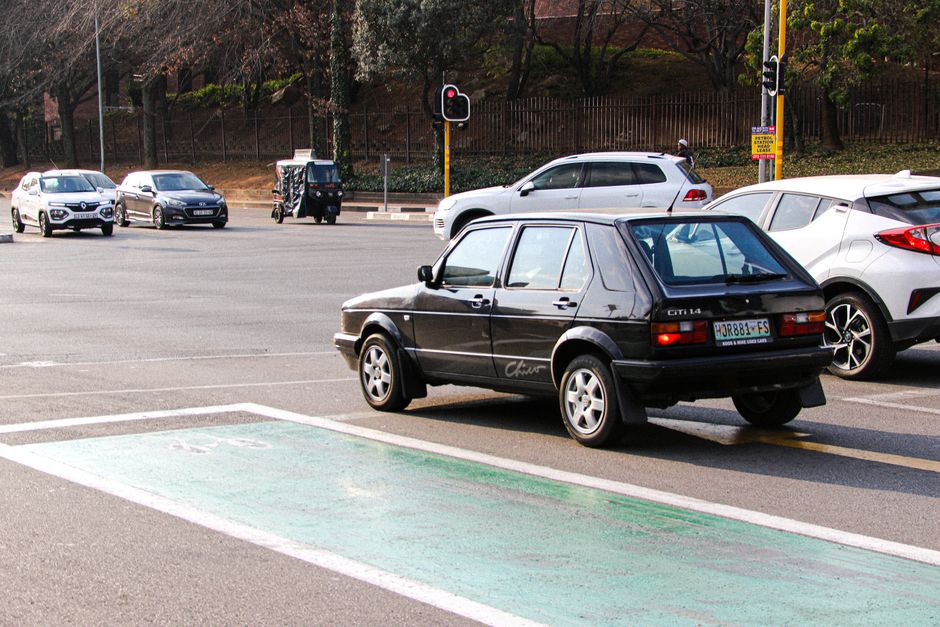
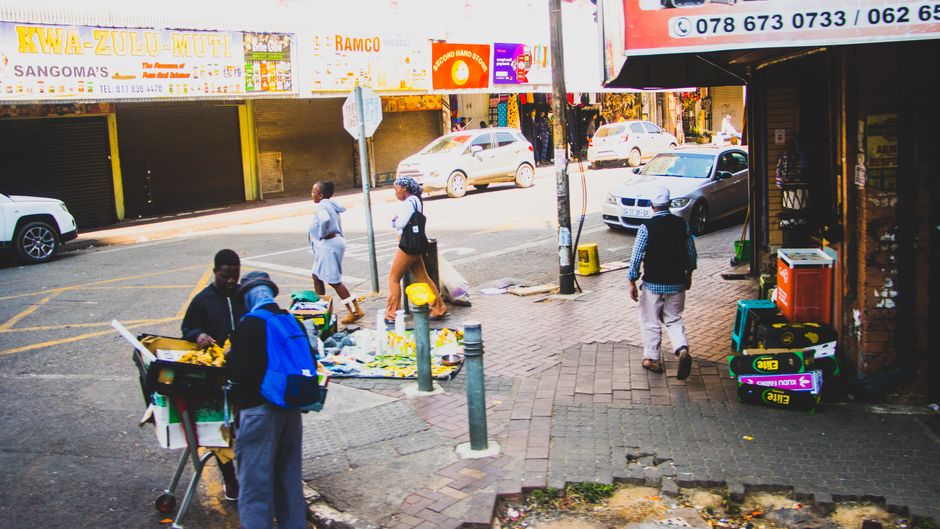
'We Don't Stop at Red Lights Anymore': Joburg Residents Speak Out on the Hijacking Crisis
From Sandton to Soweto, ordinary Johannesburg residents describe how a surge in armed robberies and car hijackings is reshaping daily life in the city.
From Sandton to Soweto, ordinary Johannesburg residents describe how a surge in armed robberies and car hijackings is reshaping daily life in the city.

Hijackings and armed robberies across Johannesburg have climbed sharply in the first half of 2026, with emergency services logging a record number of callouts and community members describing a city where fear has become routine. South African Police Service figures released last month showed Gauteng recorded 4,872 hijacking incidents in the first quarter of 2026 alone — a 17 percent increase on the same period in 2025.
The surge comes at a moment when the ANC-DA coalition running Gauteng is under sustained pressure to show results on public safety, the issue that consistently tops voter concern surveys in the province. Joburg Metro Police Department spokesperson releases have pointed to resourcing gaps and understaffed precincts as contributing factors, but for people living in the hotspot areas, official explanations offer cold comfort.
Residents in Brixton, Rosettenville and along the notorious Louis Botha Avenue corridor in Orange Grove say the pattern is consistent: attackers target vehicles at intersections or in parking bays, often operating in groups of two or three and carrying firearms. The Engen garage on William Nicol Drive in Sandton was the site of three separate armed robbery incidents in June, according to posts on the Sandton Community Watch WhatsApp group, which now counts more than 12,000 members. In Soweto, residents near the Maponya Mall precinct on Khumalo Road have described similar pressure, with a local spaza shop operator saying he now closes by 5pm regardless of trade.
Voices from affected neighbourhoods carry a particular exhaustion. A retired teacher from Northcliff described her daily 4km commute to a tutoring centre as a calculated risk — she maps alternative routes each morning using a community crime alert app and keeps her car in first gear at certain intersections to allow a faster escape. A delivery driver working for a courier company on Ontdekkers Road in Roodepoort said he now refuses routes through parts of Westbury after two colleagues were robbed at gunpoint in separate incidents in May. His employer fitted GPS panic buttons in all vehicles in June at a cost of around R1,800 per unit. Several business owners in Melville said they had contributed to a private security co-payment scheme through the Melville Business Forum, each paying R950 a month to top up coverage beyond what their individual contracts provide.
Community safety organisations have not been idle. Neighbourhood watches aligned with the City of Johannesburg's Community Policing Forums have expanded their volunteer patrol rosters in Brixton and Auckland Park, and the Johannesburg Crisis Line has reported a 23 percent increase in trauma-related calls since January. The Crimeline tip-off service — which pays up to R5,000 for information leading to arrests — says Gauteng submissions have risen 31 percent year-on-year.
The South African Insurance Association noted in a June 2026 briefing that comprehensive motor vehicle insurance claims related to hijacking in Gauteng jumped by R2.1 billion in value between 2024 and 2025. Insurers in the province have started hiking premiums on vehicles in identified high-risk zip codes, with some residents in Soweto and Johannesburg South reporting increases of up to 34 percent on annual renewals.
Police Minister Senzo Mchunu announced in late June that an additional 600 visible policing officers would be deployed to Gauteng precincts before the end of the third quarter, with Johannesburg Central, Honeydew and Soweto listed as priority stations. Whether that deployment materialises on schedule will be watched closely by community safety groups who have heard similar commitments before.
In the meantime, residents are improvising. The Brixton Neighbourhood Watch is hosting a free vehicle security workshop at the Brixton Community Hall on Montes Street on 19 July, covering tracker fitting advice, safe-driving protocols and direct contacts at the local SAPS precinct. For many Joburgers, that kind of ground-level solidarity is where real safety policy is being written right now — one WhatsApp group, one locked gate, one re-routed commute at a time.
How does this story make you feel?
Spread the word
About this article
Published by The Daily Johannesburg
Daily brief
Free, in your inbox before 7am. Weekdays.
More in News