Johannesburg's sustainability landscape shifted noticeably this week as three major environmental initiatives crossed significant thresholds, signalling renewed momentum in the city's ongoing battle against pollution and resource depletion.
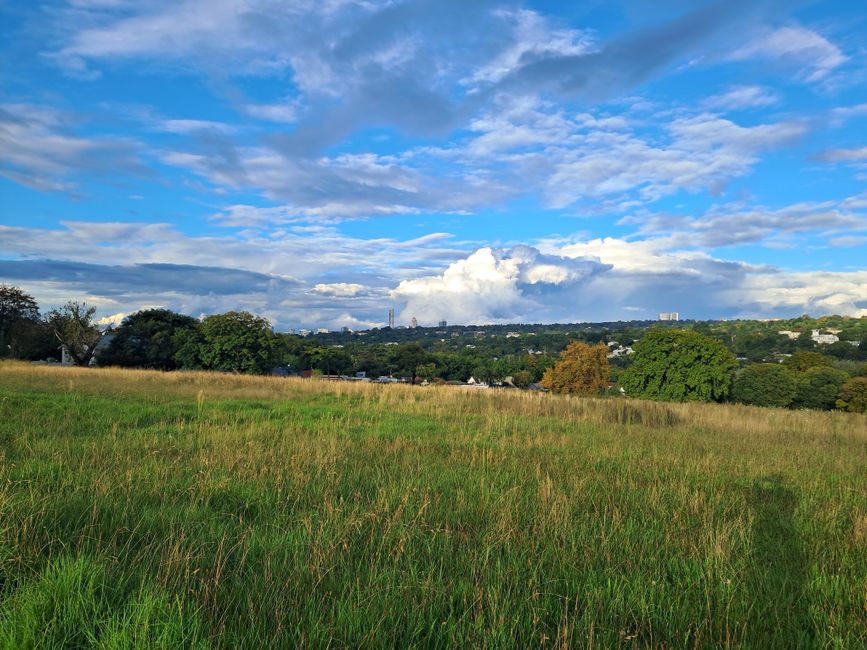
The most visible development came on Wednesday when the Johannesburg Development Agency announced completion of phase two of its green corridor project spanning from the Braamfontein Spruit to the Cradle of Humankind. The initiative, which has transformed 12 kilometres of previously degraded urban waterways, now includes 47 new community gardens across neighbourhoods including Soweto, Lenasia, and Diepsloot. Local residents have already established vegetable plots that are expected to reduce household food costs by an estimated 20 per cent annually while sequestering approximately 200 tonnes of carbon annually.
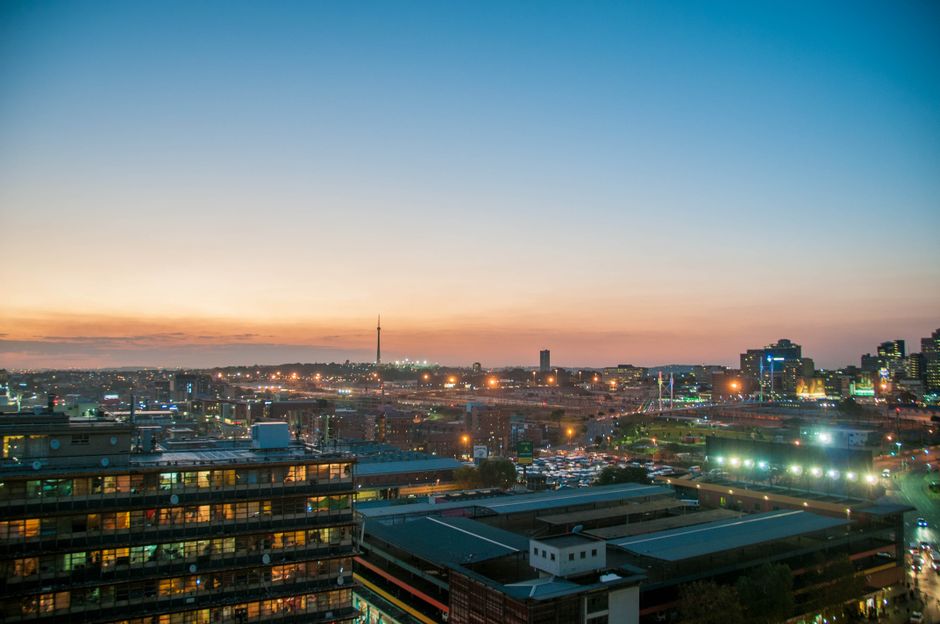
Meanwhile, a consortium of private property developers announced Wednesday that rooftop solar installations across Sandton's commercial district have now reached 340 megawatts of installed capacity—double the amount from two years ago. This development follows persistent load-shedding that has plagued the economic hub, with business owners increasingly viewing renewable energy as essential infrastructure rather than optional sustainability measures.
Perhaps most significantly for the city's poorest communities, the Alexandra waste-to-energy facility processed its first full batch of processed refuse-derived fuel on Thursday. The R180-million facility, located adjacent to the Alexandra township, is expected to generate 8 megawatts of electricity while diverting approximately 35,000 tonnes of waste annually from the city's landfills. Community leaders have welcomed the initiative, though some residents expressed concerns about air quality monitoring protocols.
Data released by the Johannesburg City Parks and Zoo this week showed that tree-planting efforts across municipal green spaces reached 125,000 new plantings—exceeding the annual target by 18 per cent. The initiative, which prioritises indigenous species suited to Gauteng's climate, aims to increase canopy cover in historically under-resourced areas like Soweto and the East Rand.
Environmental analysts caution that these developments, while encouraging, remain insufficient to meet the city's 2030 climate commitments. Greenhouse gas emissions across Johannesburg's transport and energy sectors continue rising at approximately 2.3 per cent annually, they note.
Nonetheless, this week's announcements suggest growing recognition among both public and private sectors that environmental sustainability directly impacts economic resilience—a message that appears finally resonating in Africa's most developed urban centre.
This article was compiled by AI from the sources linked above and screened before publishing. See our editorial standards.