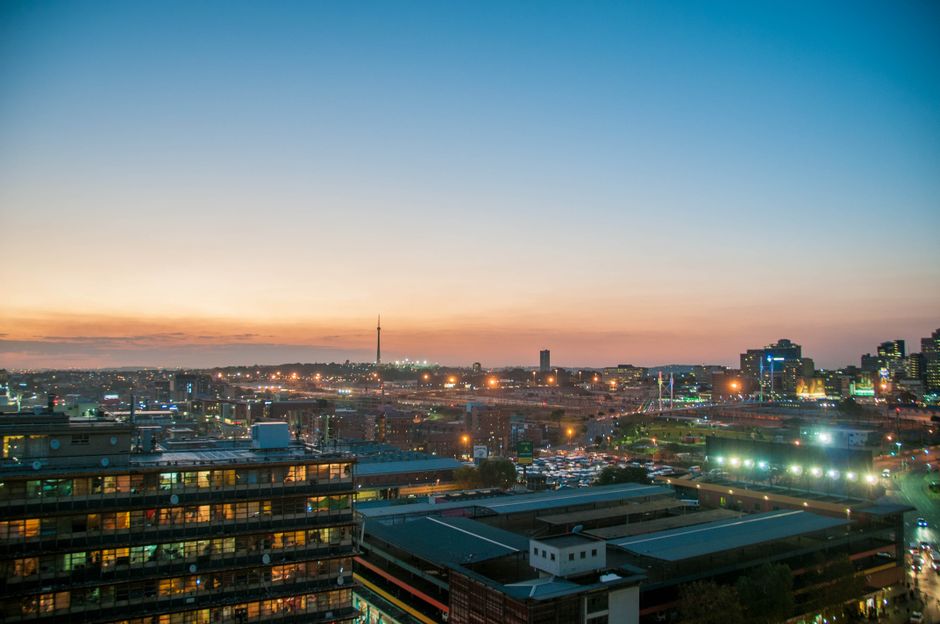
Braamfontein's Revitalisation Plan Hits Snag as Developer Delays Announced
The week brought mixed fortunes for Johannesburg's inner-city neighbourhoods as one major urban renewal project stalls while community initiatives elsewhere gain momentum.
The week brought mixed fortunes for Johannesburg's inner-city neighbourhoods as one major urban renewal project stalls while community initiatives elsewhere gain momentum.
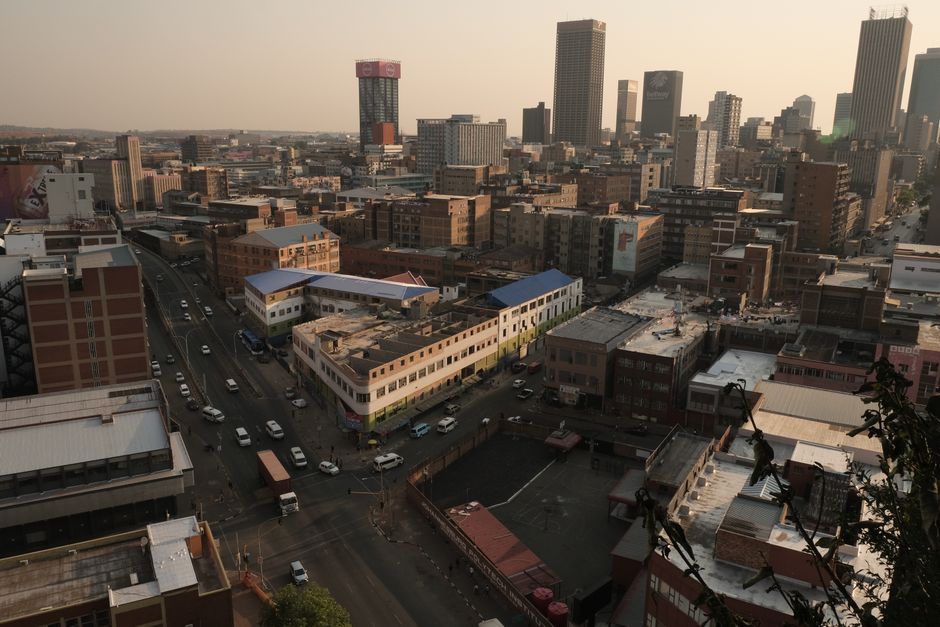
This week's developments across Johannesburg's neighbourhoods revealed the complex reality of urban renewal in South Africa's largest city. In Braamfontein, residents absorbed news that the long-awaited mixed-use development along Commissioner Street will face a six-month delay, pushing completion timelines back to late 2027. The project, anchored by a retail component and 280 residential units, had been positioned as a flagship initiative for the precinct's revitalisation.
The delay has prompted some frustration among property investors and local business associations who have banked on the development's completion to stimulate foot traffic and property values along the corridor. However, municipal sources attributed the postponement to revised infrastructure assessments rather than financial constraints, offering modest reassurance to stakeholders.
In more encouraging news, the Maboneng Precinct continued its upward trajectory this week, with the announcement of three new small business incubators opening on Fox Street by August. The spaces, funded through a combination of private investment and provincial grants, are expected to provide subsidised workspace for approximately 45 emerging entrepreneurs across creative, tech, and artisanal sectors. Current market rates for similar spaces in the area hover around R3,500 to R5,000 per month, but the incubator units will offer rates starting at R1,200.
Elsewhere, the Fordsburg and Pageview neighbourhoods celebrated a significant community win when the City of Johannesburg approved funding for phase two of the Brickfield Road pedestrian and cycling corridor project. Residents have campaigned for safer movement infrastructure in the historically vibrant area, where congestion and informal trading have created challenging conditions for both pedestrians and informal traders seeking safer vending locations.
In Soweto's Diepkloof Extension, the Diepkloof Community Forum reported increased engagement around the proposed Alexandra Park upgrade, with a public participation session scheduled for early July attracting over 400 residents. The park, which serves approximately 15,000 residents across the surrounding neighbourhoods, has deteriorated significantly over the past decade but now appears poised for a R45-million rehabilitation project.
These developments underscore Johannesburg's ongoing journey of neighbourhood transformation. While infrastructure delays test patience, the emergence of small business support initiatives and renewed investment in community spaces suggest that pockets of meaningful change continue across the city's diverse precincts. The week reminded stakeholders that urban renewal remains a marathon rather than a sprint—one requiring sustained engagement and realistic timelines.
This article was compiled by AI from the sources linked above and screened before publishing. See our editorial standards.
How does this story make you feel?
Spread the word
About this article
Published by The Daily Johannesburg
Daily brief
Free, in your inbox before 7am. Weekdays.
More in News