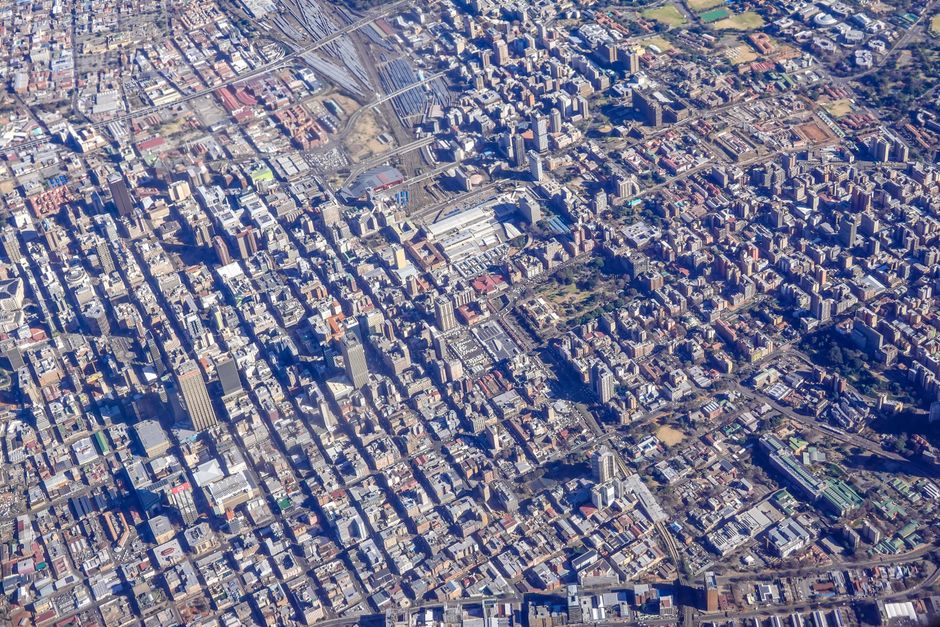
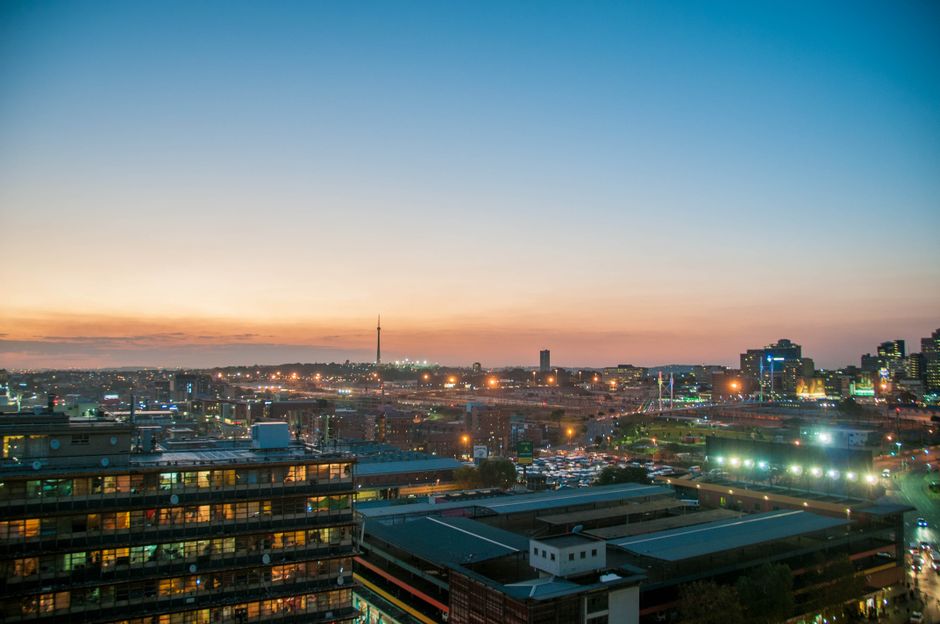
Johannesburg's education landscape stands at a crossroads. With the winter recess ending and the fourth term looming, principals, parents, and provincial administrators face a battery of urgent decisions that will determine whether the final stretch of 2026 runs smoothly or descends into the chaos that has characterised recent academic years.
The most pressing issue remains funding. Gauteng Department of Education officials have signalled that budget cuts of up to 8 percent may force difficult choices at township schools in areas like Soweto, Alexandra, and Thembisa. Schools in wealthier neighbourhoods—Sandton, Parktown, Houghton—often rely on parent governing bodies to supplement provincial allocations. But public schools serving working-class families cannot. The question now is blunt: which non-core programmes will be cut? Do schools shed sports, arts, or subject choices?
Teacher recruitment and retention remain fractured. The province has not filled thousands of vacant posts, leaving schools—particularly in underserved areas—chronically understaffed. Early July negotiations between unions and the provincial government will be decisive. A repeat of the protracted strikes that disrupted 2025 could sabotage learner progress in crucial examination-preparation months.
Digital infrastructure presents a third fork in the road. The COVID-era pivot to online learning exposed vast inequalities. While private institutions in the northern suburbs deployed seamless hybrid models, many government schools in Orlando, Eldorado Park, and Ennerdale lack reliable internet and devices. The decision facing leadership now: do schools in these areas invest in connectivity subsidies, or accept that remote learning remains a luxury for some learners only?
University admissions deadlines are equally critical. Witwatersrand University, University of Johannesburg, and UNISA face record application numbers, yet residence spaces remain constrained. The competition for accommodation in areas like Braamfontein and Soweto is fierce. For students from outside the province, the accommodation crunch could force them to abandon dreams of studying in Johannesburg.
Matric results from 2025 painted a sobering picture: a national pass rate hovering near 70 percent, with mathematics and science pass rates languishing below 40 percent in many townships. Schools must now decide whether remedial support receives serious funding or remains aspirational rhetoric.
The coming weeks will crystallise these choices. Budget adjustments happen in July. Union negotiations conclude by then. Digital procurement decisions follow shortly after. For Johannesburg's 2.4 million school-age residents, the decisions made now will define their educational trajectory through to December—and beyond.
This article was compiled by AI from the sources linked above and screened before publishing. See our editorial standards.