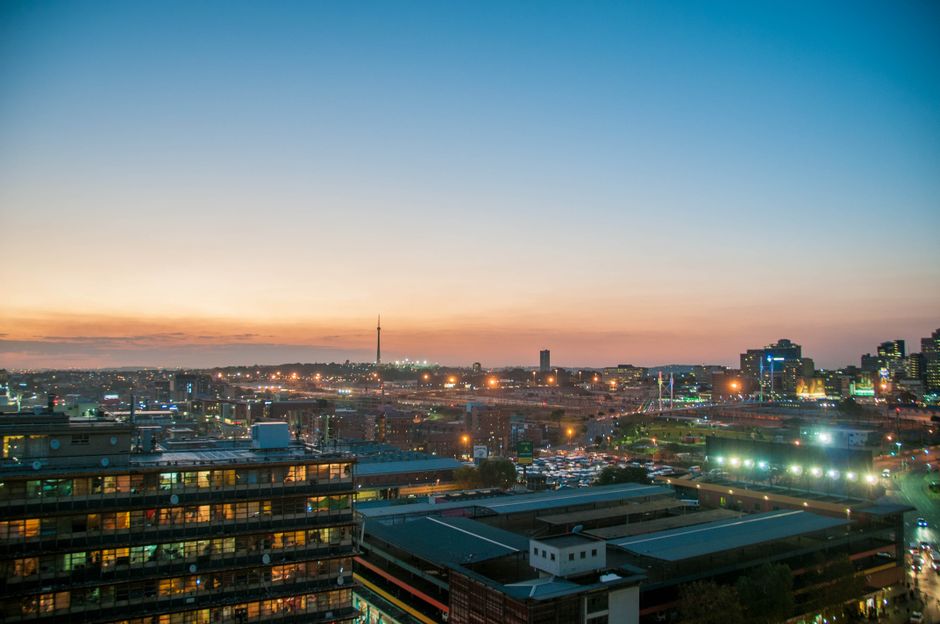
Johannesburg at crossroads: Which sustainability path will the city actually take?
As the city's green initiatives gain momentum, crucial decisions about funding, enforcement and political will loom large.
As the city's green initiatives gain momentum, crucial decisions about funding, enforcement and political will loom large.
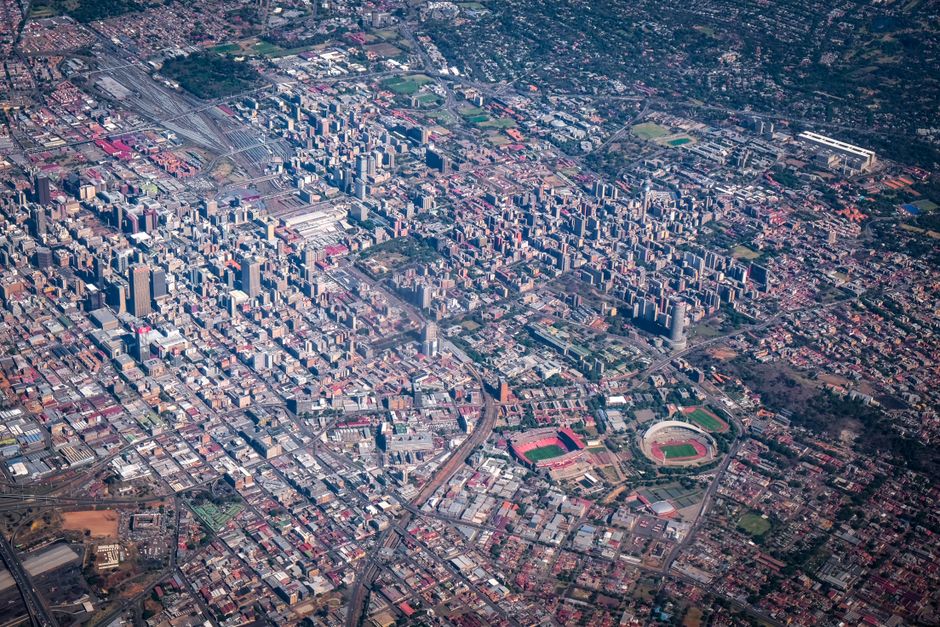
Johannesburg's environmental ambitions have rarely looked sharper. The city's commitment to becoming carbon-neutral by 2050 is plastered across municipal websites and corporate sustainability reports. Yet behind the polished language lies a harder reality: the next eighteen months will determine whether these pledges become embedded infrastructure or fade into another cycle of unfulfilled promises.
The immediate test comes in the form of the proposed Rand Water sewage treatment upgrade in the south of the city. City Power and the Johannesburg Metropolitan Municipality face a critical choice in Q3 2026 about whether to invest R2.8 billion in modernising treatment facilities around Orange Farm and Ennerdale—work that could reduce water contamination in the Vaal River by 40%, according to preliminary environmental impact assessments. The alternative? Defer the project another five years, gambling that current pollution levels won't spike further.
Meanwhile, the Braamfontein Urban Forest initiative, which has planted 15,000 trees since 2023, stands at a funding fork. The Johannesburg Development Agency must decide whether to expand the programme to Hillbrow and Yeoville—densely populated areas with minimal green cover—or concentrate resources on already-established middle-class neighbourhoods like Forest Town and Parkhurst. The cost difference is marginal, but the political calculus is not.
Then there's the question of enforcement. The city's air quality monitoring network has expanded significantly, with new sensors installed around Alexandra and Soweto. Data from the past two years shows particulate matter in these townships regularly exceeds WHO safe thresholds by 300%. Yet prosecuting industrial polluters and informal waste operators requires dedicated environmental police units and court capacity that the city has struggled to resource. Without meaningful enforcement, the monitoring becomes merely observational.
A third pressure point emerges around municipal waste. The Goudkoppies landfill, which serves Johannesburg, is projected to reach capacity by 2029. Proposals for a new facility have stalled in environmental review. The city must soon decide between investing heavily in waste-to-energy infrastructure or exporting the problem to rural sites beyond municipal boundaries—a choice with stark environmental justice implications.
None of these decisions are technically complicated. All have proven solutions deployed elsewhere. The question is whether Johannesburg's fractured governance structures, perpetual budget constraints, and competing political priorities can align around implementation. The rhetorical commitment to sustainability has never been stronger. What happens next will reveal whether commitment translates to action.
This article was compiled by AI from the sources linked above and screened before publishing. See our editorial standards.
How does this story make you feel?
Spread the word
About this article
Published by The Daily Johannesburg
Daily brief
Free, in your inbox before 7am. Weekdays.
More in News