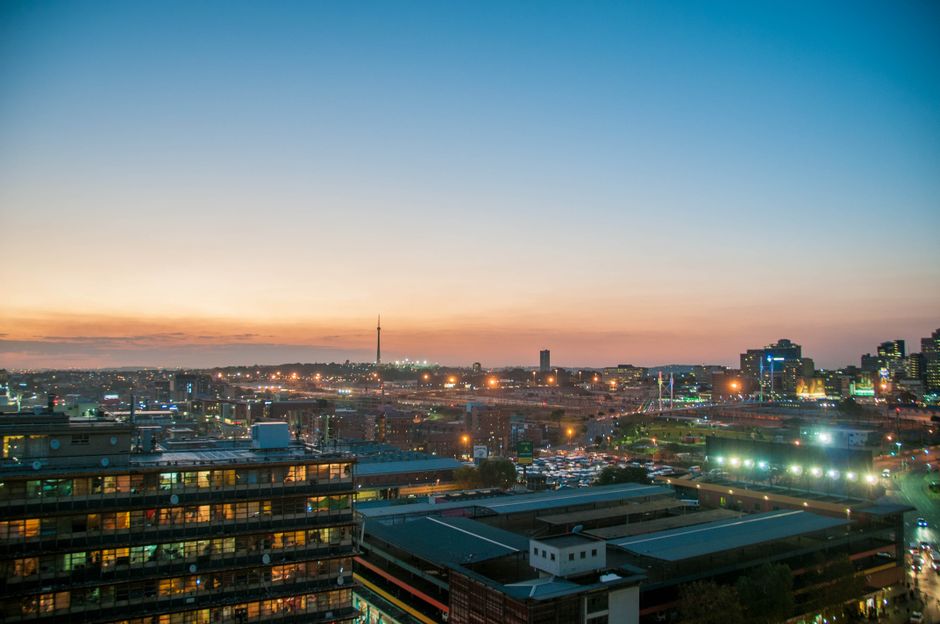
City Hall on Edge as Budget Crisis Forces Hard Choices This Week
Johannesburg's council grapples with service delivery shortfalls and infrastructure backlogs as competing demands strain the municipality's stretched finances.
Johannesburg's council grapples with service delivery shortfalls and infrastructure backlogs as competing demands strain the municipality's stretched finances.
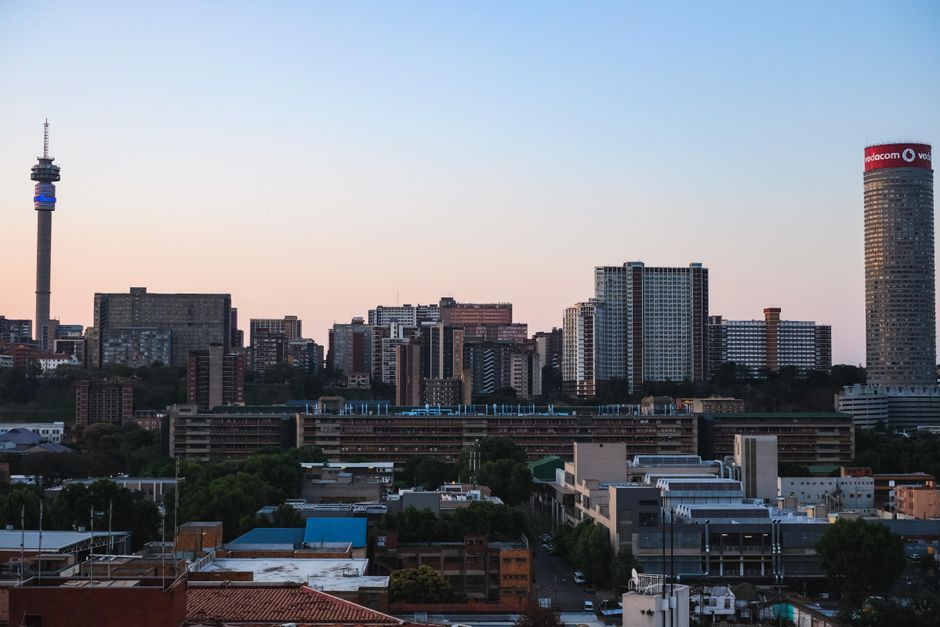
The City of Johannesburg's political leadership faced mounting pressure this week as budget realities collided with rising public expectations across the sprawling metropolitan area. Behind closed doors at the Braamfontein offices, councillors wrestled with allocation decisions that will ripple through communities from Alexandra to Soweto, from the CBD to the outlying townships.
The core issue: a R2.3 billion shortfall in capital expenditure for pothole repairs and water infrastructure maintenance has left neighbourhoods like Hillbrow and Berea with deteriorating road conditions, while pressure mounts on the city's already-strained water supply network. Residents across the city's eleven regions have grown increasingly vocal about delays in basic services, with complaints about burst water pipes on Empire Road and sections of the N1 remaining largely unaddressed.
The week saw heated debate over how to prioritise spending between competing crises. The municipality's financial strategy has come under scrutiny following reports that maintenance budgets for critical infrastructure fell short by nearly 18 percent in the last financial year. Officials acknowledged that the backlog of reported potholes now exceeds 45,000 across the metropolitan area—a figure that has prompted frank discussions about either increasing municipal rates or redirecting funds from other services.
Meanwhile, the Johannesburg Development Agency's role in central city regeneration remained contentious. City officials presented progress reports on the Jeppestown urban renewal project, showing mixed results in attracting private investment along the proposed revitalisation corridor. The slow uptake has raised questions about whether the original timeline remains realistic.
Energy security also dominated council discussions, with electricity supply constraints continuing to affect industrial zones and business confidence. The municipality's relationship with Eskom and the implementation of load-shedding protocols drew scrutiny from business representatives concerned about economic stagnation in South Africa's economic heartland.
Perhaps most significantly, discussions about local government reform have accelerated. Pressure from community organisations and opposition political parties has forced the administration to commit to more regular public participation forums in township areas, addressing long-standing complaints about distance and inaccessibility of governance structures.
The coming weeks will prove critical as the city moves toward finalising its adjusted budget for the next financial year. With competing demands for limited resources and a population of over 6 million relying on municipal services, the stakes could hardly be higher for Johannesburg's elected leadership.
This article was compiled by AI from the sources linked above and screened before publishing. See our editorial standards.
How does this story make you feel?
Spread the word
About this article
Published by The Daily Johannesburg
Daily brief
Free, in your inbox before 7am. Weekdays.
More in News