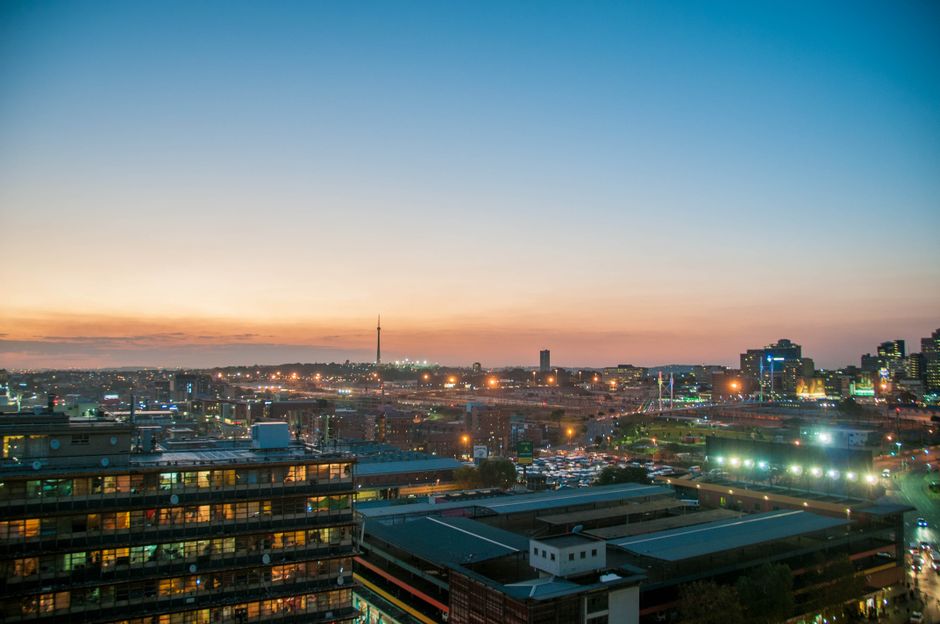
Johannesburg's inner-city revival hinges on safety, say officials and urban experts
City authorities and community leaders outline what it will take to bring residents and investment back to the Maboneng and Braamfontein corridors.
City authorities and community leaders outline what it will take to bring residents and investment back to the Maboneng and Braamfontein corridors.
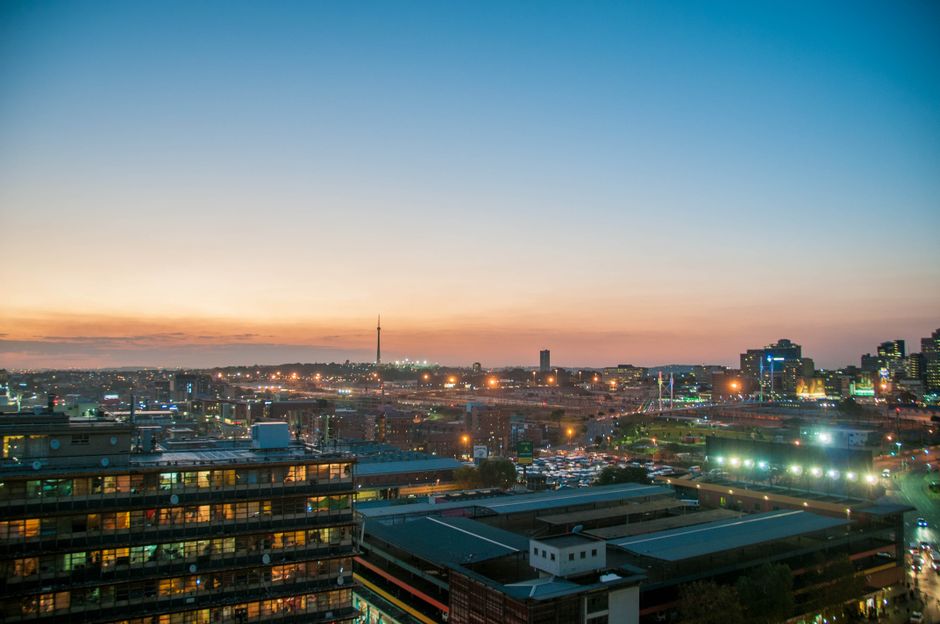
As Johannesburg's inner-city neighbourhoods face a critical juncture between decline and revival, officials and urban experts are united on one message: sustainable regeneration requires simultaneous attention to safety, infrastructure, and community ownership.
The assessment comes as the City of Johannesburg's inner-city task team prepares a revised urban management strategy for areas spanning Maboneng, Braamfontein, and surrounds—zones that saw significant investment between 2010 and 2018 before momentum stalled.
Thabo Mthembu, director of the City's Urban Regeneration Programme, told The Daily Johannesburg that municipal interventions alone cannot succeed without grassroots participation. "We are working with street committees on Fox Street and in Braamfontein to ensure residents feel ownership of these spaces," he said, referencing the notable commercial thoroughfare in the eastern inner-city. "Without that trust, investment won't follow."
Crime statistics remain the elephant in the room. Property crimes in the inner-city precinct remain elevated despite increased visible policing. Dr Amelia Okonkwo, senior researcher at the Johannesburg Institute for Urban Futures, noted that perception often exceeds reality. "We've conducted three community surveys since 2024. What emerges is that residents feel unsafe, even in pockets where statistical crime rates have declined. That psychological barrier is as real as crime itself."
Business improvement districts—formal associations of property owners funding enhanced security and maintenance—have gained traction in Maboneng and parts of Braamfontein. Yet their sustainability depends on voluntary buy-in from landlords operating on thin margins amid economic headwinds and persistent vacancy rates of 15-20% across some blocks.
Municipal spokesperson David Lindiwe emphasised infrastructure investment as foundational. "We've allocated R180 million in the current budget for inner-city streetscape improvements, including lighting on Simmonds Street and drainage upgrades in Fordsburg," he said. "But these take 18-24 months to complete. People need visible progress now."
The City's commitment to mixed-income housing—moving beyond luxury loft conversions that have characterised much recent development—represents a policy shift. However, officials acknowledge the challenge: subsidised rental schemes require ongoing municipal support, a burden during fiscal constraints.
Despite headwinds, cautious optimism persists. The reopening of the Johannesburg City Library in Braamfontein earlier this year, alongside ongoing arts precinct development, signals continued faith in the inner-city's cultural potential. Yet experts and officials agree: transformation requires three to five years of consistent, coordinated effort—a political commitment that extends beyond electoral cycles.
This article was compiled by AI from the sources linked above and screened before publishing. See our editorial standards.
How does this story make you feel?
Spread the word
About this article
Published by The Daily Johannesburg
Daily brief
Free, in your inbox before 7am. Weekdays.
More in News