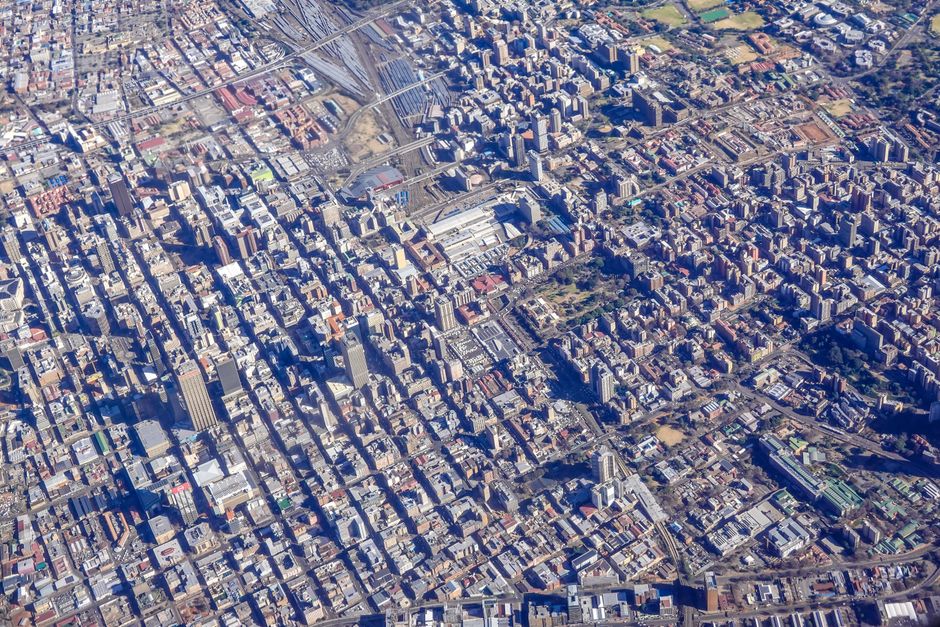
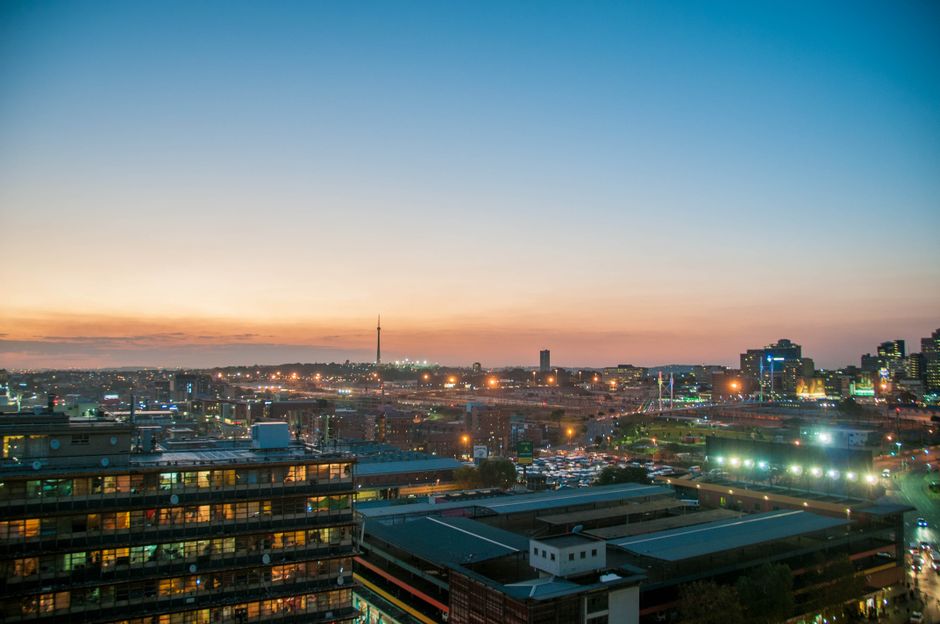
Johannesburg's transport infrastructure sits at a pivotal moment. With nearly half the metropolitan municipality's population still reliant on minibus taxis for daily movement, and congestion choking the N1 and M1 highways, city planners face an uncomfortable truth: available funds cannot stretch to every project on the wishlist.
The immediate focal point is the Rea Vaya bus rapid transit system. Phase 1A, operating since 2009 along the Soweto corridor and linking Ellis Park to the Civic Centre via the inner city, has transported over 200 million passengers. Yet the planned expansion into Alexandra, Wynberg, and Orange Farm remains partially stalled. City officials must decide whether to accelerate this phase—which would require an estimated R8 billion in additional investment—or redirect resources to the proposed rapid rail link connecting Ekurhuleni to the Johannesburg CBD.
That rail corridor presents its own complexity. Studies suggest a 45-kilometre line from Kempton Park through Sandton to the Civic Centre could reduce travel times from 90 minutes to 35 minutes for commuters, potentially shifting 100,000 daily passengers from road to rail. But the project carries a R120 billion price tag and requires coordination between three municipalities and three spheres of government—a coordination track record that has proven problematic.
Meanwhile, township infrastructure deteriorates. Roads in Soweto, Katlehong, and Tembisa require urgent rehabilitation. The city's roads agency estimates R15 billion is needed just to bring the most critical networks to acceptable standards, yet annual budgets hover around R2 billion.
The financial crunch is real. Load-shedding has disrupted construction timelines. Inflation has eroded budgets. And competition for resources between transport, water, and energy infrastructure has intensified.
Over the coming months, the city must articulate a clear hierarchy of needs. Will it prioritise completing an integrated bus-rail network serving the eastern corridor? Will it accept that suburban road maintenance must take a back seat to mass transit? Or will it attempt the politically appealing but financially reckless path of trying to do everything simultaneously?
The decisions made in the next budget cycle—whether by the City of Johannesburg or the provincial transport authority—will reverberate for decades. A choice to defer the Alexandra Rea Vaya expansion, for instance, effectively condemns that community to road-based transport for another decade. Conversely, abandoning the rapid rail project risks perpetuating the car-dependent sprawl that has defined Johannesburg's inefficient growth.
What happens next depends on political will, not just financial capacity.
This article was compiled by AI from the sources linked above and screened before publishing. See our editorial standards.