Where Joburg Breathes: Inside the Neighbourhood Character That Makes Our Green Spaces Matter
From Melville's tree-lined streets to the Braamfontein Precinct's revitalised gardens, Johannesburg's parks reveal the beating heart of community identity.
From Melville's tree-lined streets to the Braamfontein Precinct's revitalised gardens, Johannesburg's parks reveal the beating heart of community identity.
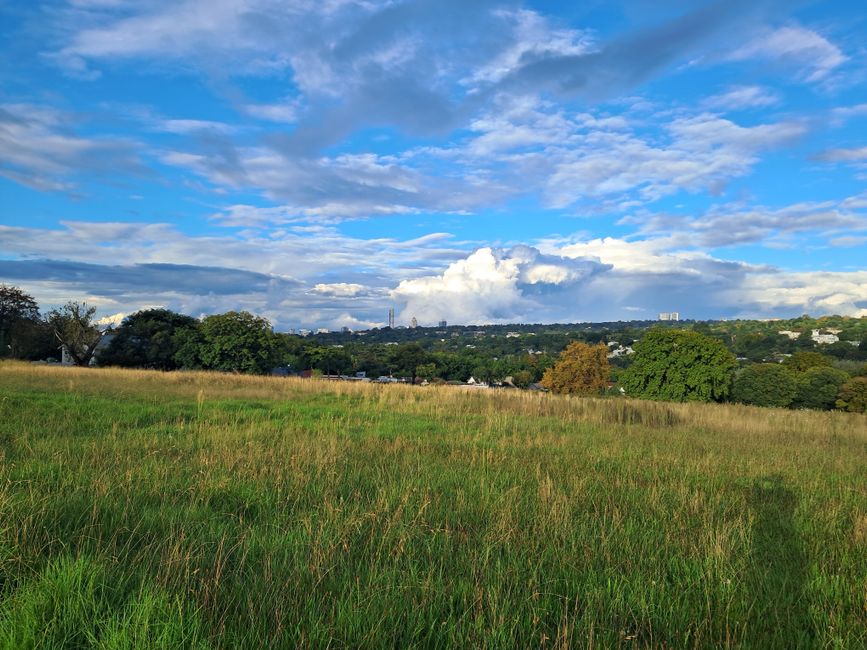
Walk through Emmarentia Dam on a Saturday morning and you'll witness something distinctly Johannesburg: a city learning to reclaim its relationship with nature. The park's 43-hectare expanse draws everyone from joggers navigating the dam's perimeter to families picnicking under jacaranda trees, yet it's the neighbourhood character—that intangible blend of who shows up and why—that tells the real story of how green spaces shape urban life here.
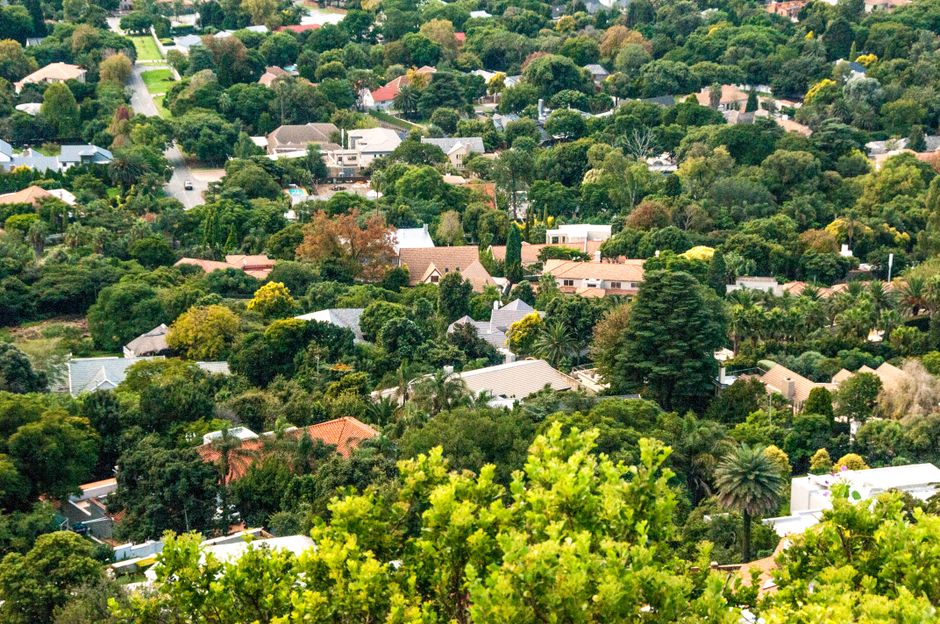
In Melville, where Victorian homes line streets named after British poets, the neighbourhood's identity crystallises around Oxford Road and the surrounding parks. The tree canopy—predominantly consisting of jacarandas, yellowwoods, and wild almond trees—creates a microclimate that has, over decades, defined the suburb's personality. Locals credit these spaces with maintaining property values; homes within walking distance of Melville's parks command premiums of 12-15% compared to tree-sparse areas nearby. But it's not purely economic. The parks here function as democratic meeting grounds where the neighbourhood's diversity—young families, retired academics, creative professionals—intersects daily.
Meanwhile, the Braamfontein Precinct has undergone a quiet revolution. Once overlooked, the area's parks and green corridors—particularly around the Johannesburg Development Agency's urban regeneration projects—now pulse with a distinctly millennial energy. Weekend visits to these spaces reveal a neighbourhood actively redefining itself: food trucks stationed near revitalised gardens, artist collectives using outdoor spaces for installations, and community gardens producing vegetables sold at local markets. The character here is decidedly forward-looking.
Jan Smuts Park in Parktown offers another lens entirely. Its 68 hectares serve the affluent northern suburbs, but the park's true significance lies in how it functions as a social infrastructure—a place where neighbourhood bonds strengthen through shared activity. Running clubs, cycling groups, and conservation initiatives that monitor the park's wetlands have created an ecosystem of civic engagement that extends far beyond recreation.
What emerges across these spaces is clear: Johannesburg's green areas aren't simply landscapes to enjoy. They're neighbourhood anchors that reflect—and shape—local identity. In a city that's perpetually reinventing itself, parks remain among our most reliable expressions of community character. They're where Joburg's different worlds meet, and where residents consistently choose to invest their time. That's not coincidence; it's community in action.
This article was compiled by AI and screened before publishing. See our editorial standards.
How does this story make you feel?
Spread the word
About this article
Published by The Daily Johannesburg
Daily brief
Free, in your inbox before 7am. Weekdays.
More in lifestyle