Johannesburg Citizens Transform City's Green Spaces Through Community Action
Discover how Johannesburg residents are building community gardens and reclaiming parks. Explore volunteer opportunities, from Braamfontein to Zoo Lake.
Discover how Johannesburg residents are building community gardens and reclaiming parks. Explore volunteer opportunities, from Braamfontein to Zoo Lake.
Listen to this article · 3:19
On a Saturday morning in Parkhurst, Maria Okonkwo stands beneath a sprawling jacaranda, pruning dead branches with the precision of someone who's spent a decade learning her craft. She's one of dozens of volunteer stewards who've quietly transformed Johannesburg's parks from neglected spaces into neighbourhood anchors—and she's proof that green revolution doesn't require government mandates or corporate sponsorship. It requires passion.
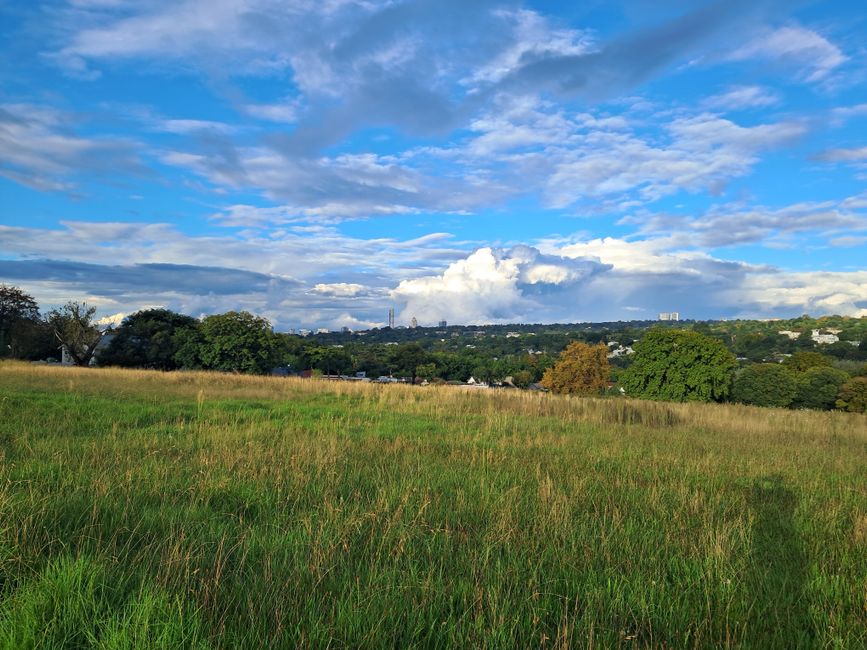
Okonkwo is part of a growing network of residents reclaiming public spaces across the city. Whether it's the community gardens sprouting around the Braamfontein Precinct, or the informal running clubs that've made Zoo Lake a social hub rivalling any mall, Johannesburg's outdoor renaissance is fundamentally human-driven. These aren't Instagram moments manufactured for social media; they're neighbours deciding their city deserves better.
The statistics are compelling. Since 2022, volunteer participation in park maintenance programmes across Johannesburg has increased by 34%, according to local environmental organisations. More than 2,800 residents now actively participate in green space stewardship through formal and informal networks. Yet the real story isn't in the numbers—it's in the faces and motivations behind them.
Take Thabo Mthembu, who runs free fitness classes in Empire Park on Wednesday mornings. What started as a personal habit became a community gathering; now 60-odd people of all ages and backgrounds join him weekly. Or consider the collective working to restore the Witwatersrand's urban waterways along the Braamspruit, drawing hikers and nature enthusiasts into conversations about biodiversity they didn't know they cared about.
Even in economically strained neighbourhoods like Alexandra and Soweto, residents are carving out green spaces—converting vacant lots into urban gardens that provide both food security and mental health reprieve. These aren't luxury pursuits; they're survival strategies married to community building.
The challenge remains substantial. Johannesburg still struggles with inadequate maintenance budgets and security concerns that keep some parks underutilised. Yet what's unmistakable is the shift in mentality. The city's green spaces are no longer seen as municipal amenities to be passively consumed. They're canvases for community identity.
Walking through Melville's vibrant streets or discovering a hidden trail in the Wilds, you're not just experiencing Johannesburg's natural infrastructure. You're witnessing the handiwork of thousands of ordinary people who've decided their city's future is worth investing in—one tree, one garden, one park at a time.
This article was compiled by AI and screened before publishing. See our editorial standards.
How does this story make you feel?
Spread the word
About this article
Published by The Daily Johannesburg
Daily brief
Free, in your inbox before 7am. Weekdays.
More in lifestyle