Johannesburg's Market Vendors Transform City Culture Through Creative Enterprise
From Braamfontein's creative collectives to Soweto's thriving informal economy, the people running Johannesburg's markets are the real currency of the city.
From Braamfontein's creative collectives to Soweto's thriving informal economy, the people running Johannesburg's markets are the real currency of the city.
Listen to this article · 3:36
Walk through the Neighbourgoods Market on a Saturday morning in Braamfontein, and you'll witness something distinctly Johannesburg: a 25-year-old jewellery maker from Hillbrow selling alongside a retired accountant turned sourdough baker, both drawing crowds of locals willing to pay premium prices for stories as much as products. This is where Johannesburg's retail soul lives—not in the sprawling malls of Sandton, but in the hands of people who've chosen to stake their livelihoods on community and craft.
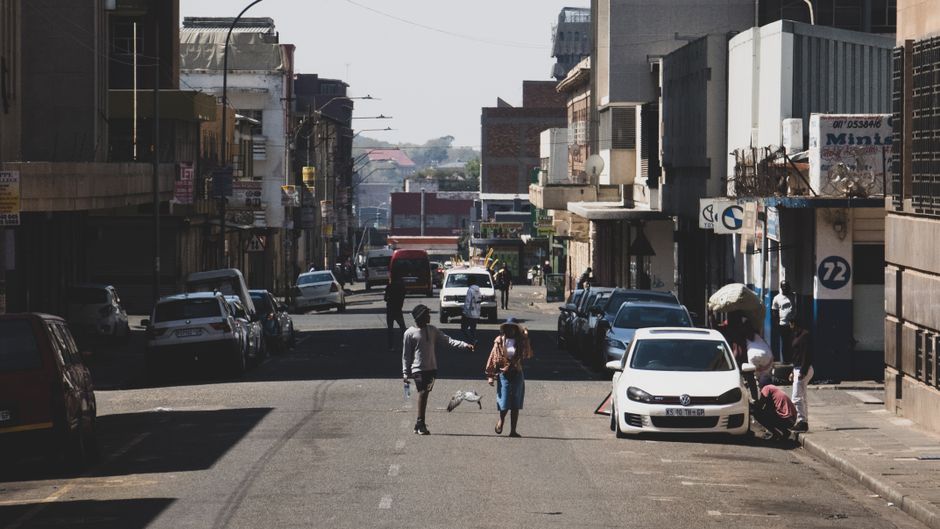
The informal market economy remains a cornerstone of the city's retail landscape. According to Statistics South Africa, approximately 2.8 million South Africans work in the informal sector, with Johannesburg accounting for a significant portion of this entrepreneurial activity. On Eloff Street Extension and throughout the CBD's inner-city revival zones, vendors manage delicate balances between opportunity and precarity, each stall a small testament to resilience.
In Soweto, the Baragwanath taxi rank's surrounding market ecosystem has evolved into a sophisticated retail network. Thousands of traders—many women supporting extended families—move between wholesale suppliers and retail customers daily, their margins thin but their networks deep. These aren't faceless transactions; regulars know vendors by name, trust their judgment on everything from fabric quality to produce freshness, and factor their survival into purchasing decisions.
The Furniture City area along Commissioner Street tells another story: craftspeople restoring and upcycling furniture in small workshops, teaching apprentices traditional skills while adapting to contemporary design trends. Many have weathered multiple economic cycles, their persistence reflecting the broader Johannesburg narrative of reinvention.
What distinguishes Johannesburg's market culture from purely transactional retail is this human infrastructure. The vintage dealers in Parkhurst, the fabric merchants in the Fashion District, the spice traders near Fordsburg—each represents accumulated knowledge, community networks, and personal stakes in neighbourhood vitality. When you buy from them, you're not merely acquiring goods; you're participating in economic relationships that have roots.
Recent waves of social tension have added complexity to this ecosystem. Xenophobic sentiment has threatened many foreign-born vendors whose market stalls represent their only viable income pathway. Yet alongside conflict, stories of cross-ethnic business partnerships and mutual protection suggest that economic interdependence—literal market interdependence—remains a countervailing force.
Johannesburg's shopping markets aren't quaint heritage attractions. They're functioning economic systems sustained by ordinary people making extraordinary efforts to build livelihoods in an unequal city. That's their real value.
This article was compiled by AI and screened before publishing. See our editorial standards.
How does this story make you feel?
Spread the word
About this article
Published by The Daily Johannesburg
Daily brief
Free, in your inbox before 7am. Weekdays.
More in lifestyle